




Methane
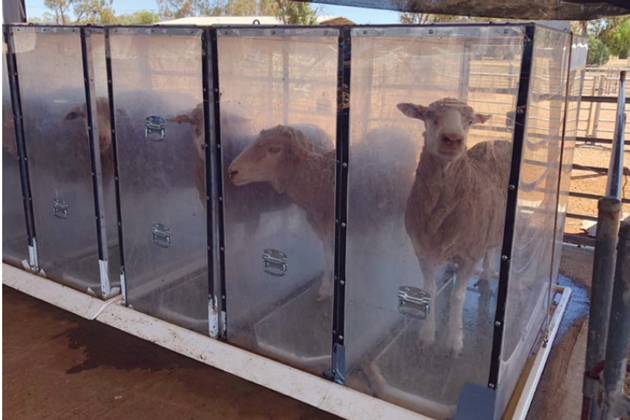
‘Selection for more methane efficient sheep’ project aims to reduce greenhouse gas emissions through the development of methane breeding values.
‘Selection for more methane efficient sheep’ project aims to reduce greenhouse gas emissions through the development of methane breeding values. Supported by Meat & Livestock Australia Donor Company (MDC), NSW Department of Primary Industries and Regional Development, University of New England, and Animal Breeding and Genetic Unit, the project focuses on assessing methane, defining the trait, conducting breeding value analysis, and exploring its impact on sheep indexes.
This initiative involves collaboration among research institutions, industry partners, and sheep breeders, including data from four MLP sites.
The MLP sites have been important to the success of the methane efficiency project by offering a highly recorded and industry-linked resource. Across the whole project, approximately 14,000 sheep have been measured for methane production, with 15% of these measurements coming from the MLP project and the remainder from previous research projects, along with reference and industry flocks.
READ ABOUT METHANE IN AWI'S INDUSTRY COMMUNICATIONS