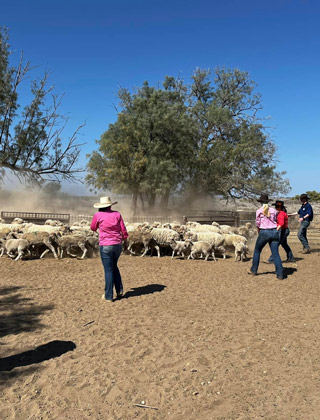

School Merino Wether Challenge: growing skills, building futures
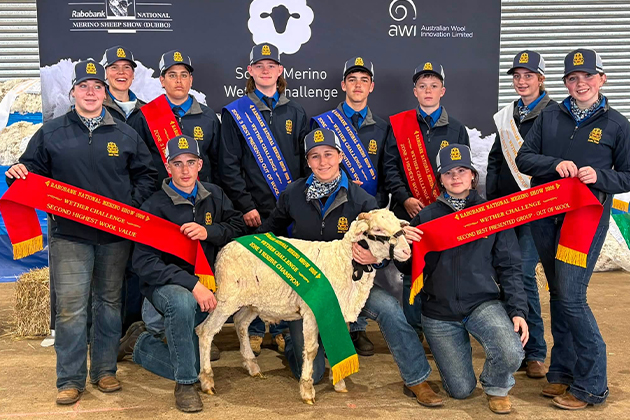
Caring for sheep, assessing wool and making feeding decisions – the School Merino Wether Challenge gives secondary students a practical introduction to Merino production and the people who work in Australia’s sheep and wool industry.
Reaching more than 140 schools across Australia, the program encourages students in Years 8–10 to develop practical skills, build confidence and explore career opportunities in the industry.
Initiated and led by Merino stud breeder associations, with support from Australian Wool Innovation (AWI), the challenge brings schools and industry together. Teachers, breeders, advisors, wool brokers and other specialists contribute their knowledge and experience, connecting classroom learning with the demands and opportunities of sheep and wool production.
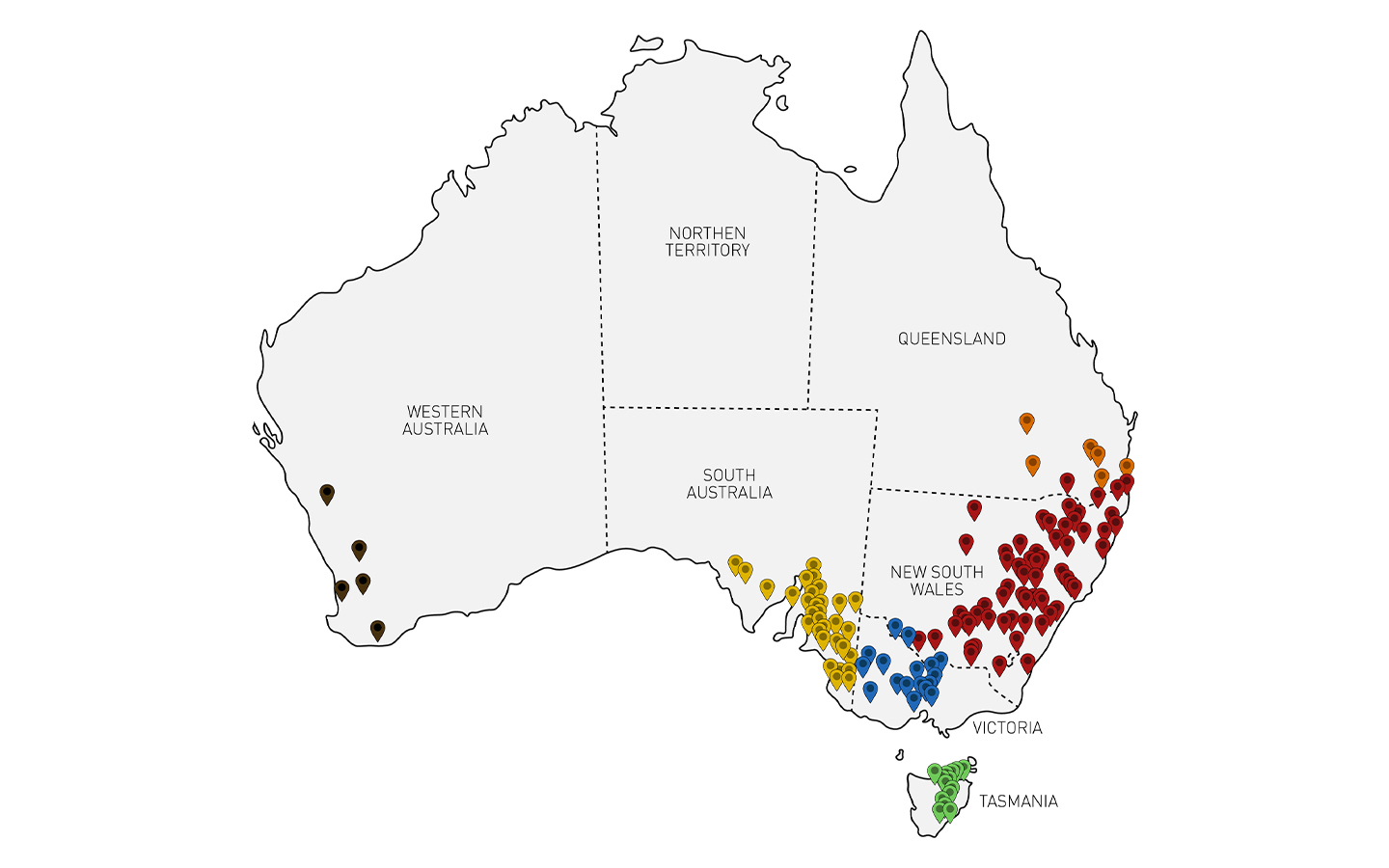
More than 140 schools from six states across Australia participate in the School Merino Wether Challenge. Source: Australian Wool Innovation.
From the classroom to the paddock
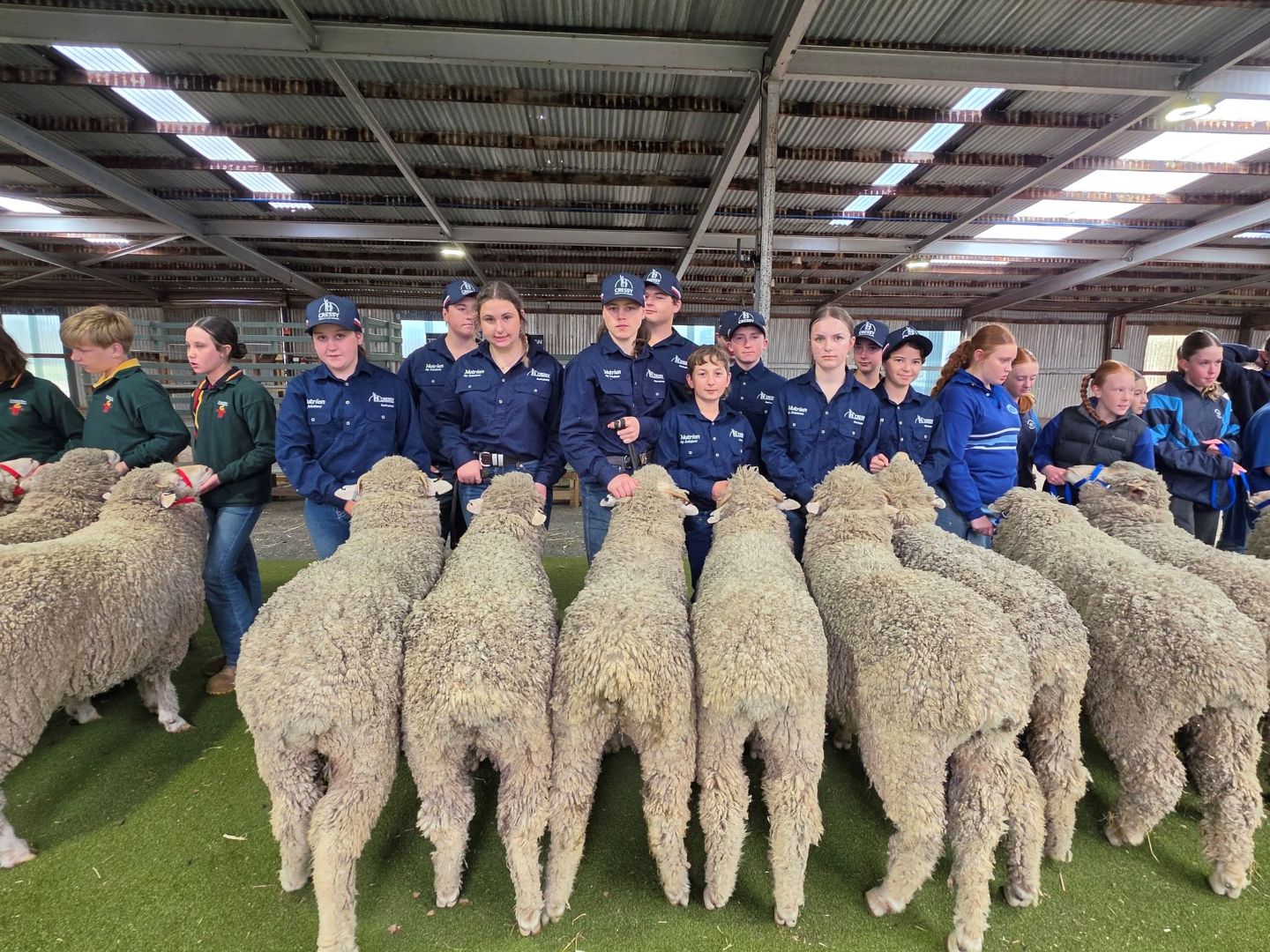
While the format varies between states, school teams generally care for a group of Merino wethers supplied by participating studs for about six months before bringing them to a competition.
Students take an active role in feeding, handling and monitoring their sheep, learning how nutrition, animal health and management influence performance. Tracking liveweight and daily weight gains helps them assess progress and decide whether changes to feed rations are needed.
For Belinda Everingham, head of agriculture at St Paul’s College, Walla Walla, the program connects practical experience with several areas of the curriculum.
“We engage with technology, monitoring their growth, looking at their daily gains, and seeing whether we need to alter their feed ration,” Belinda said.
“It’s used to cover a lot of different areas of the curriculum as well.”
Through these responsibilities, students develop an understanding of both the care involved in raising livestock and the decisions behind producing quality wool and meat.
Bringing learning together
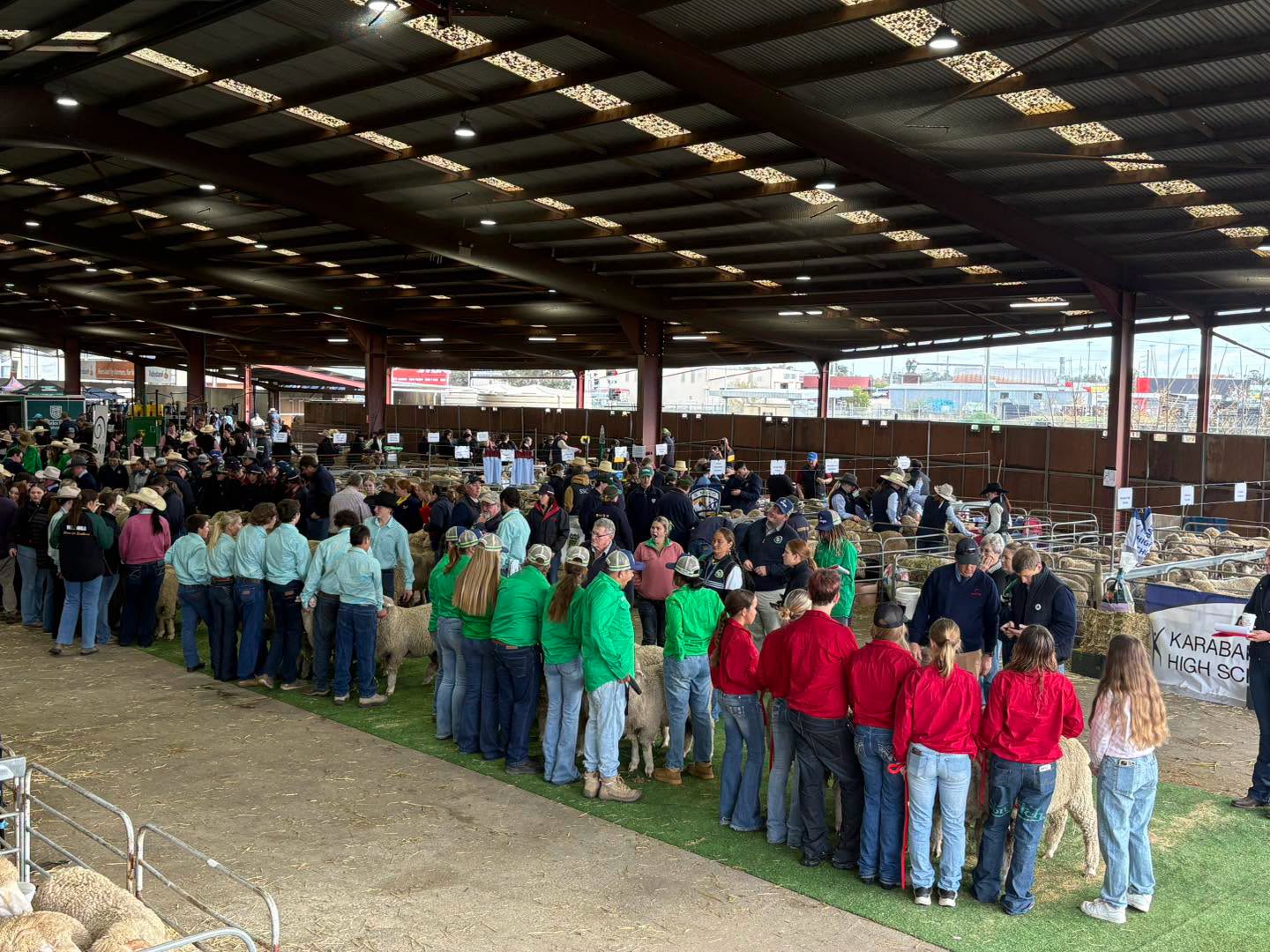
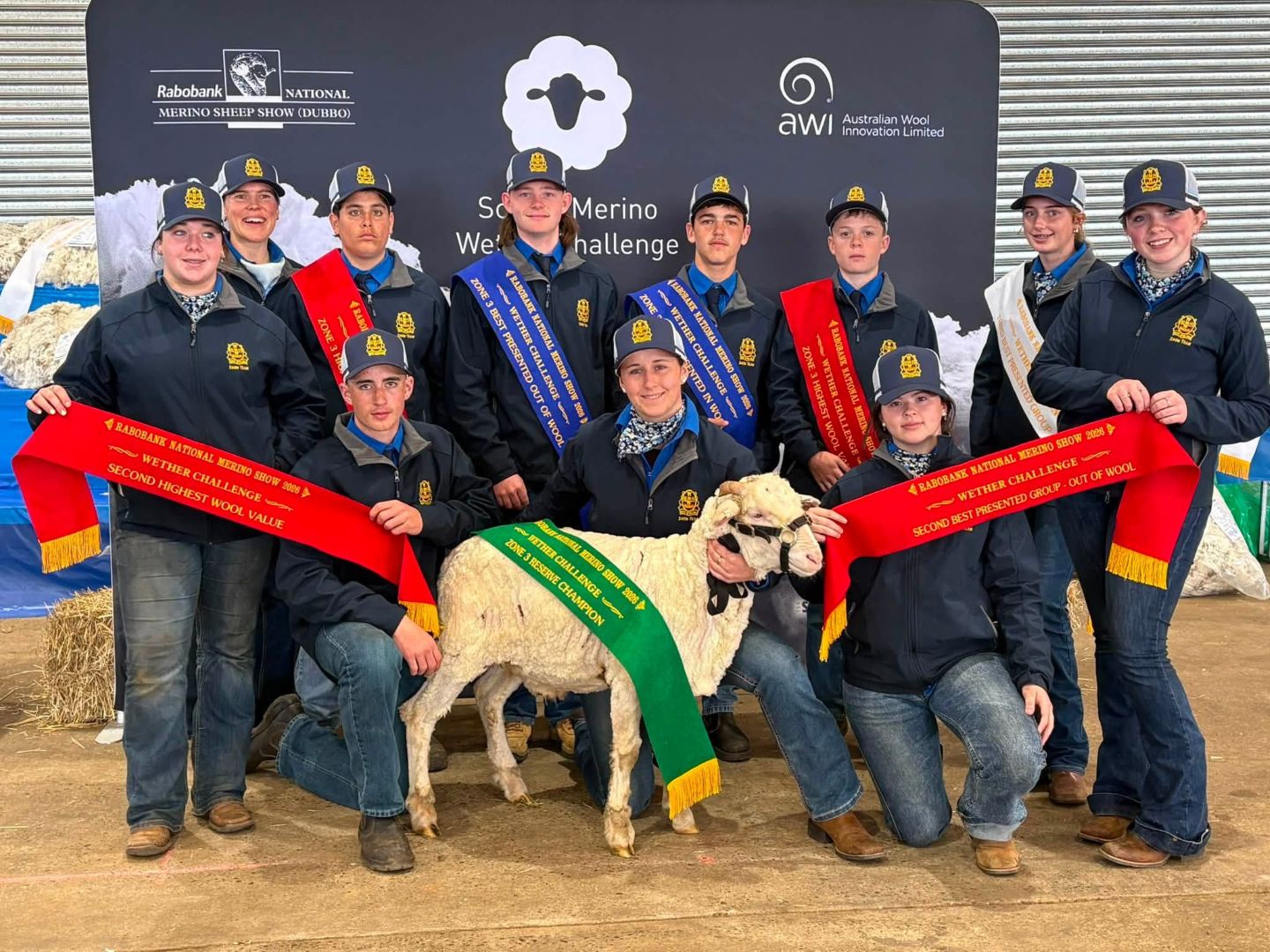
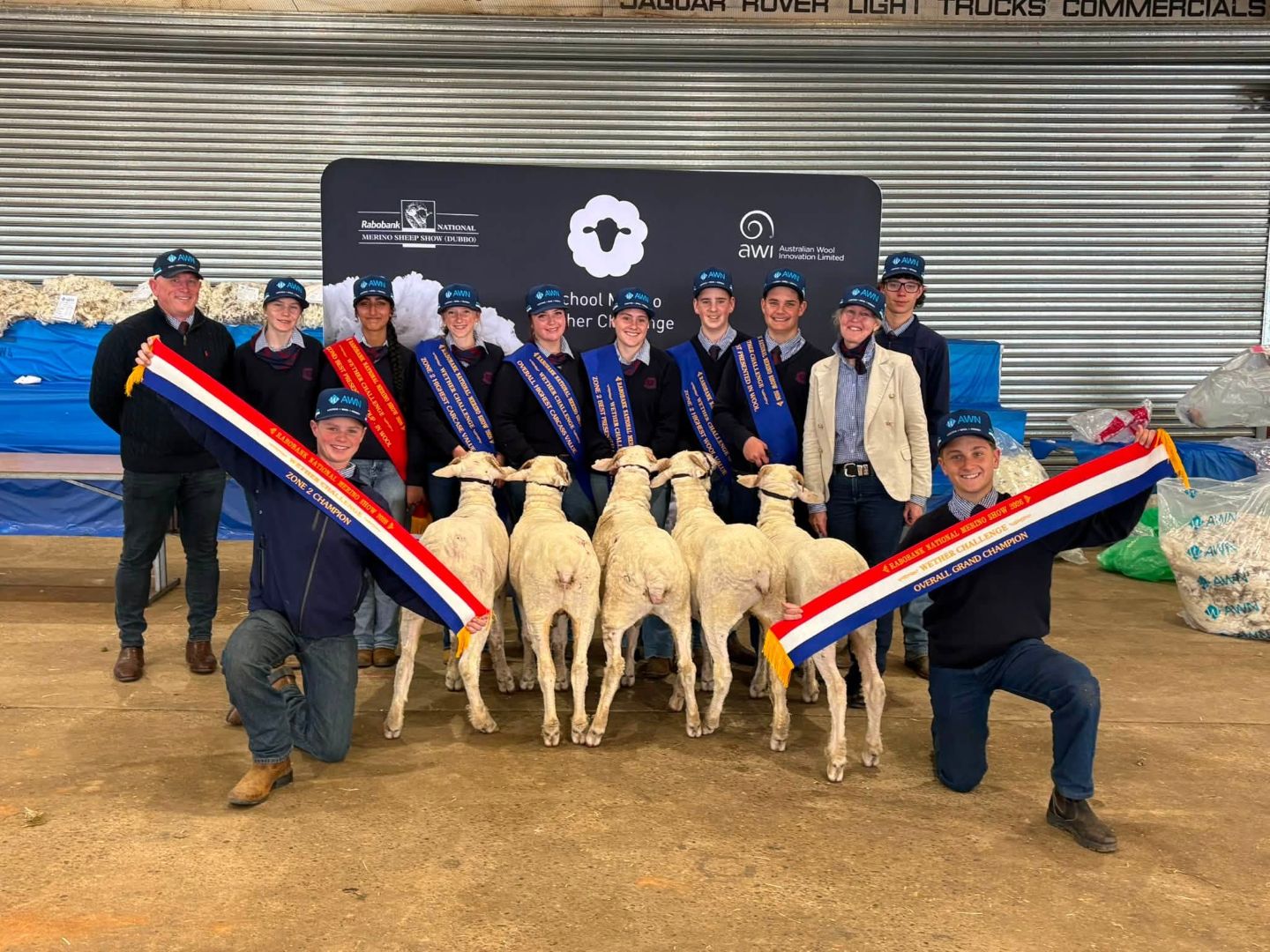
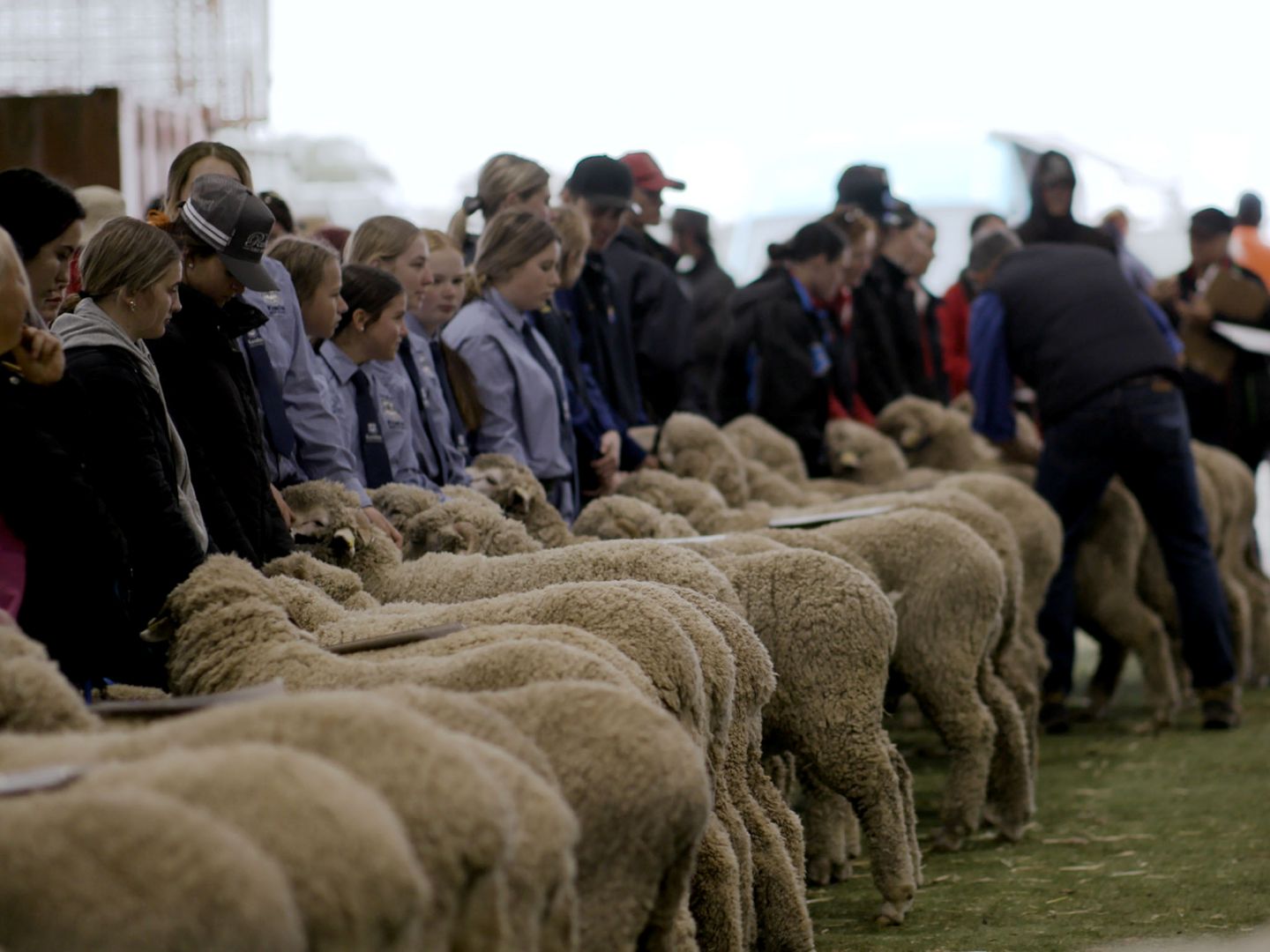
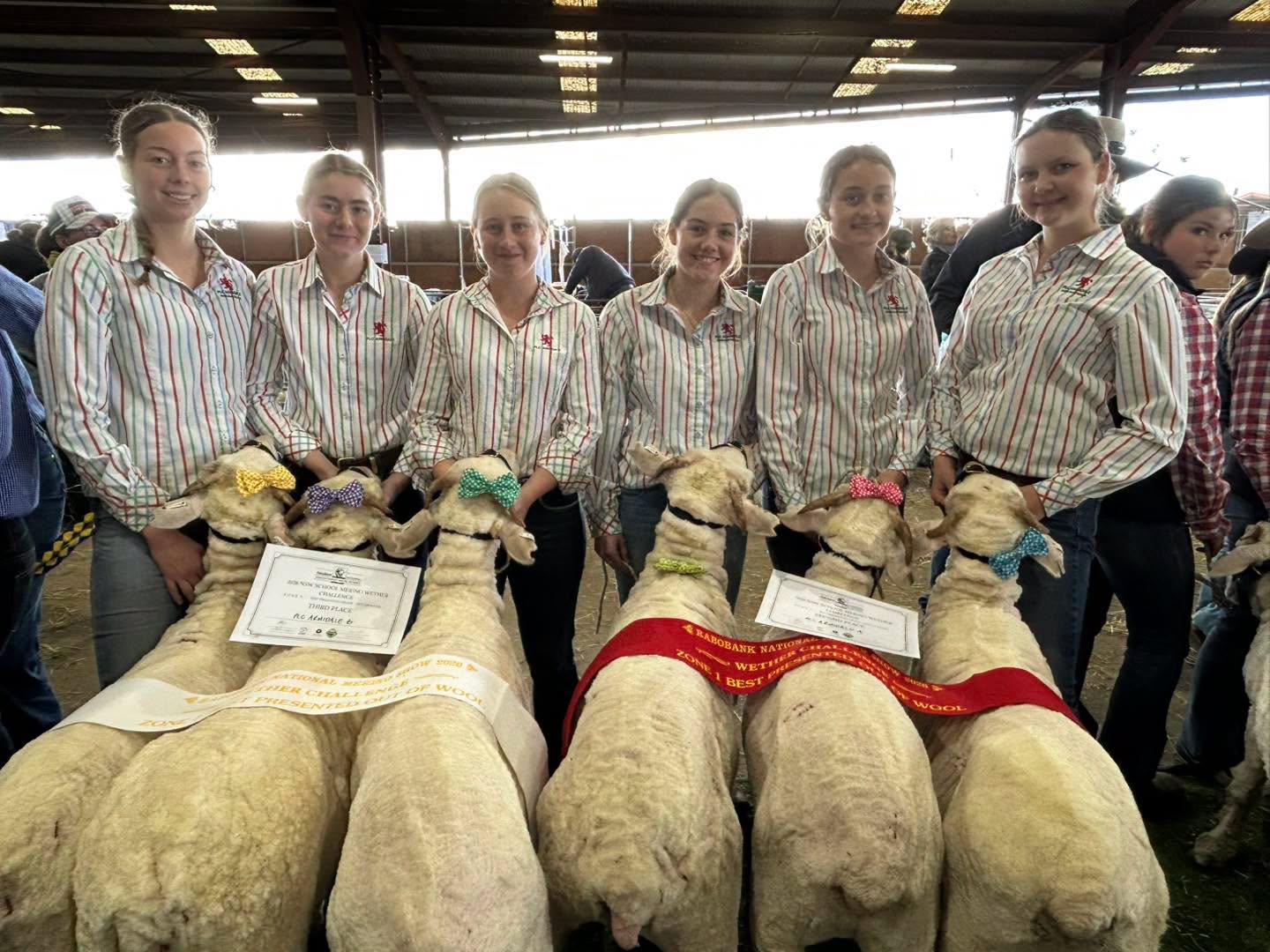
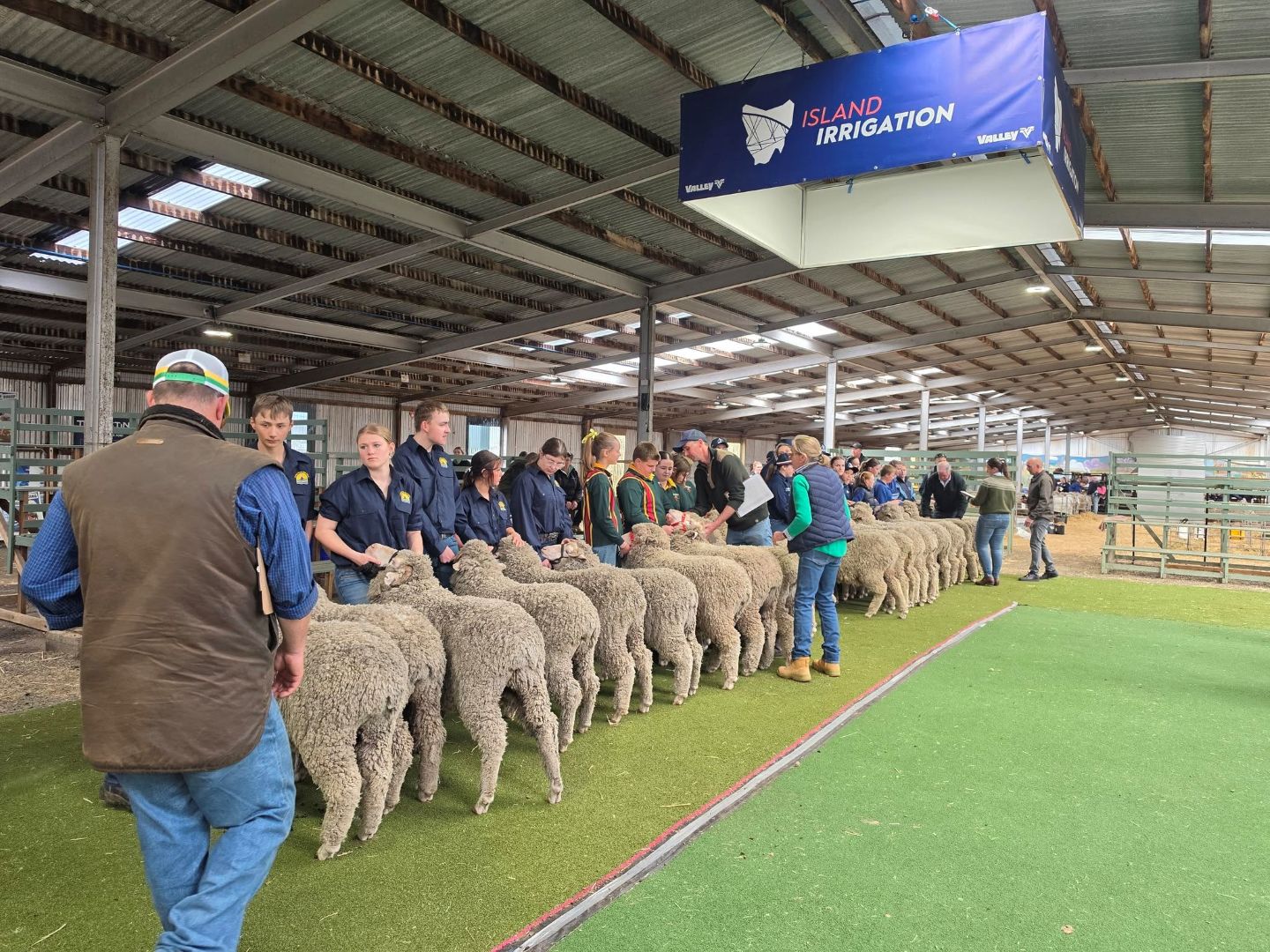
At competition events, students see their wethers assessed for wool and meat production, providing an opportunity to better understand the commercial traits valued by the industry.
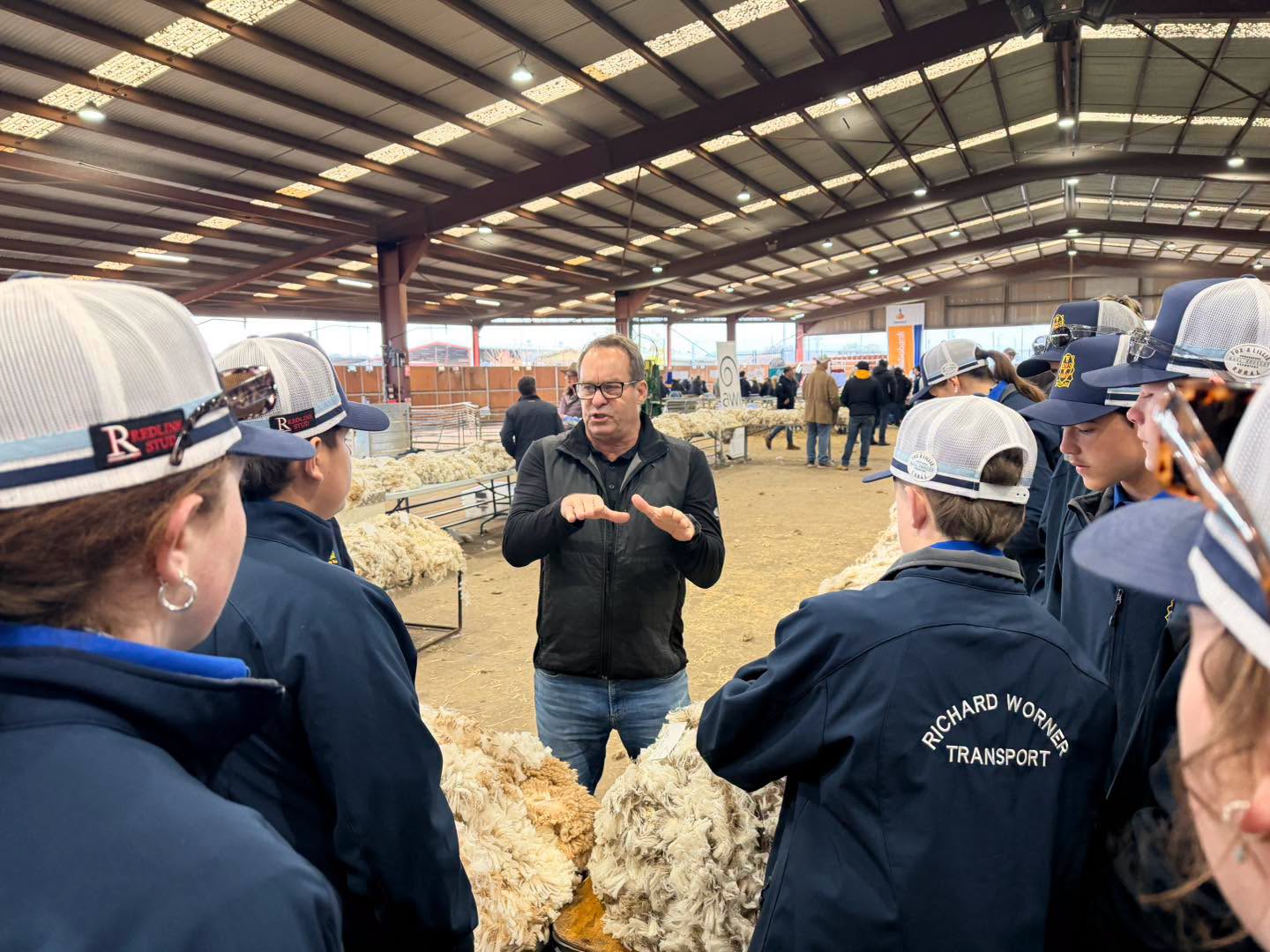
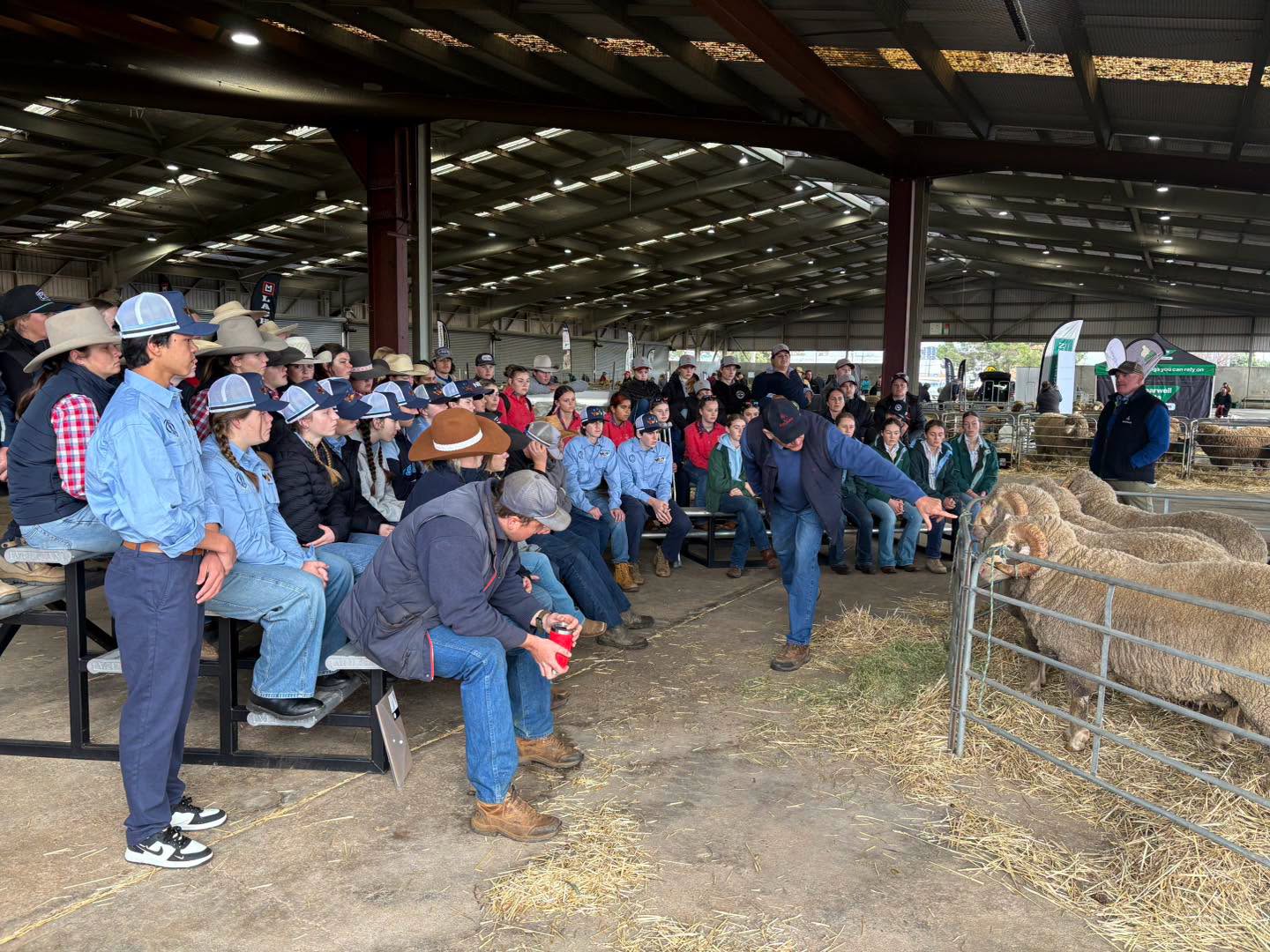
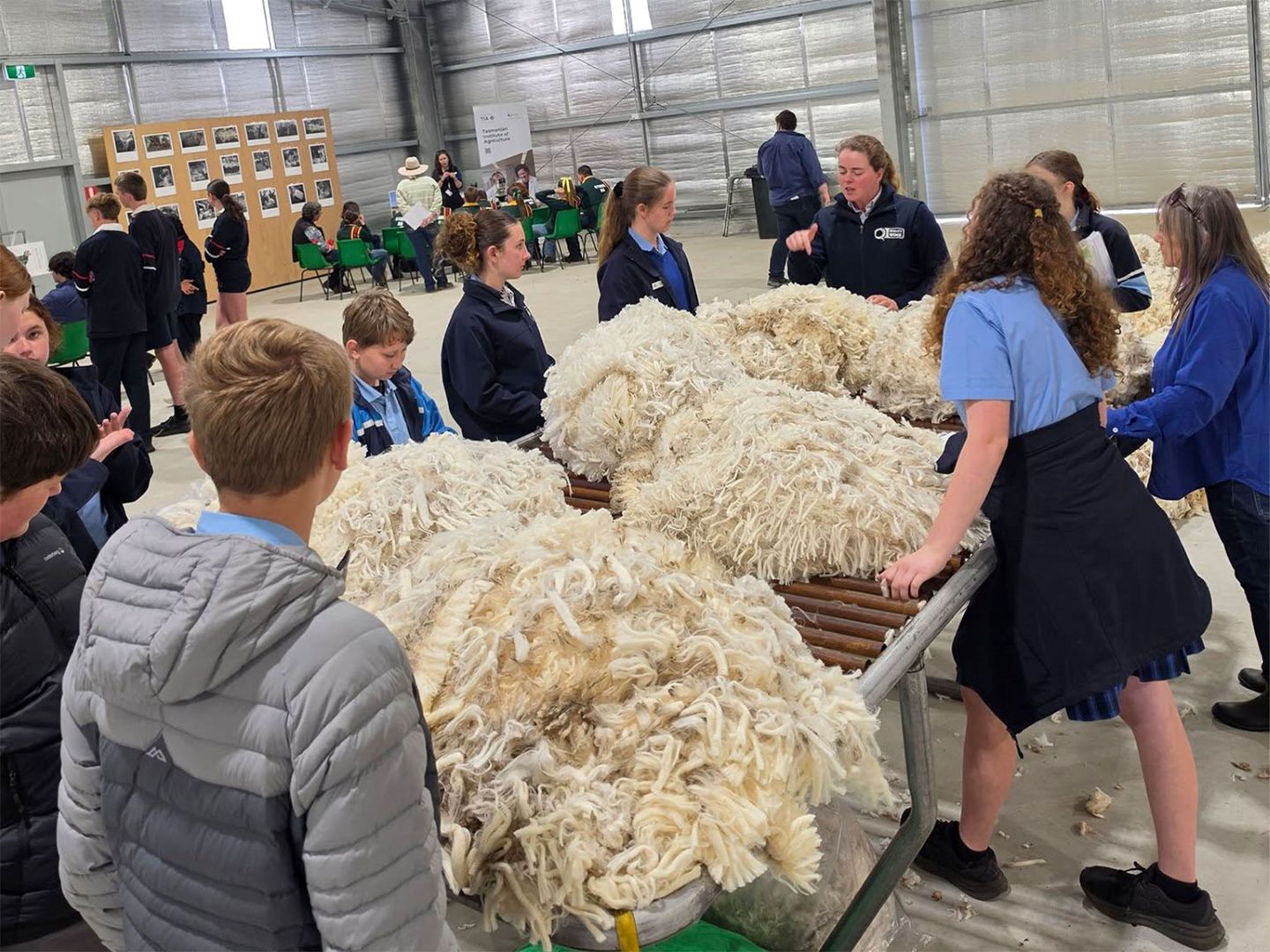
Depending on the state program, students can also participate in sheep and wool assessment, watch shearing and wool handling demonstrations, and learn about careers across the supply chain.
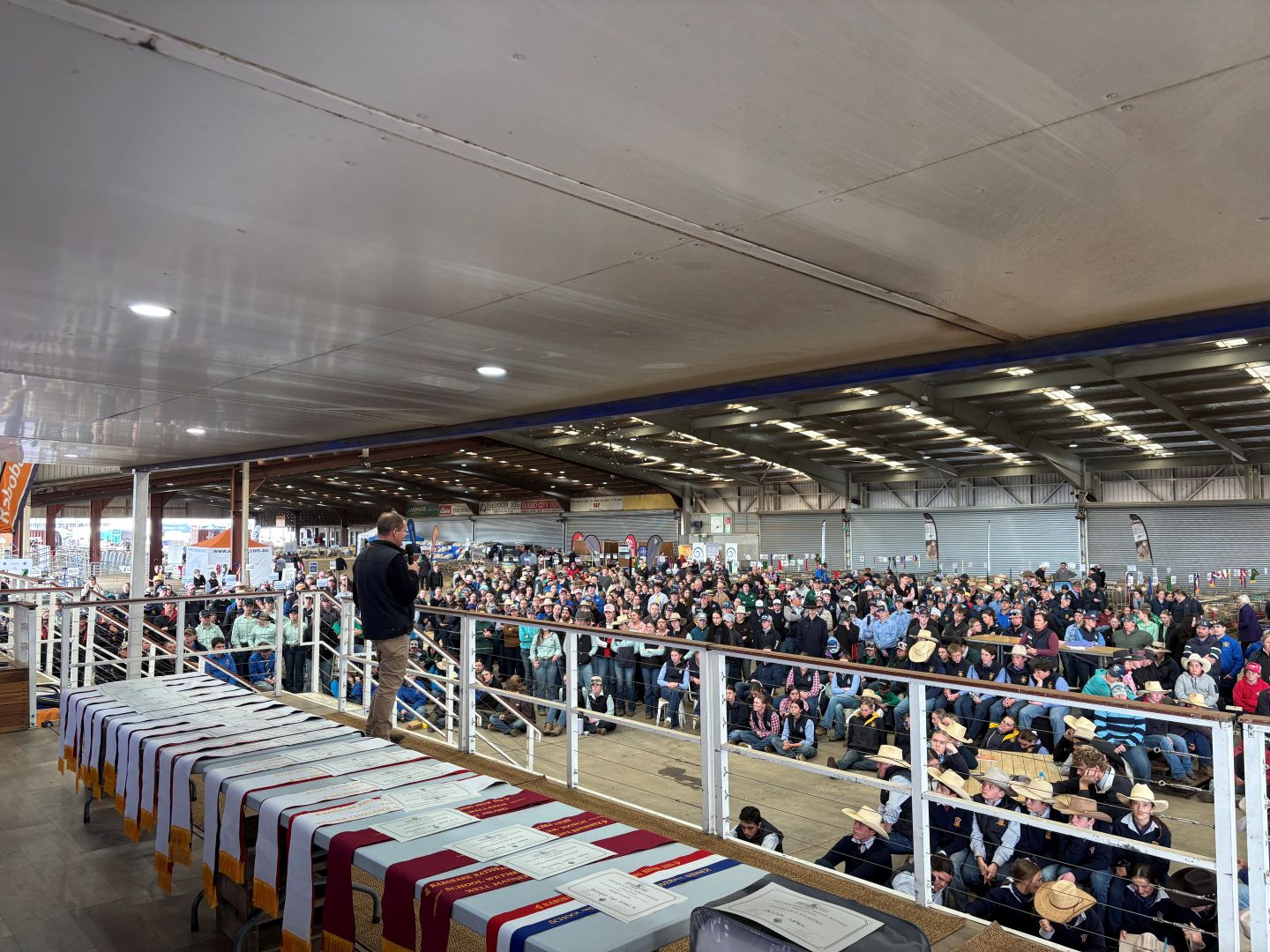
The events bring students together to share their experiences, compare what they have learnt and meet industry professionals.
For Sophia, a student at St John’s College, Dubbo, participating in the NSW challenge reinforced the responsibility involved in looking after livestock.
“It’s not just about feeding, it’s about taking care of them,” she said.
For some students, the challenge builds on an existing connection to agriculture. For others, it offers their first opportunity to work closely with sheep and discover the range of skills and occupations involved in the industry.
An industry investment in the next generation
The challenge began in South Australia in 2010 through the South Australian Stud Merino Sheep Breeders Association and has since expanded across Australia.
State programs reflect local partnerships, schools and agricultural events, while sharing a common purpose: giving young people meaningful experience in sheep and wool production.
Merino stud breeder associations remain central to the program, working alongside schools and industry partners. AWI supports this collaboration and its role in developing the next generation’s skills and understanding of the industry.
From months of caring for their wethers to conversations at the judging events, students gain experience that can help shape their studies, career interests and future involvement in agriculture.
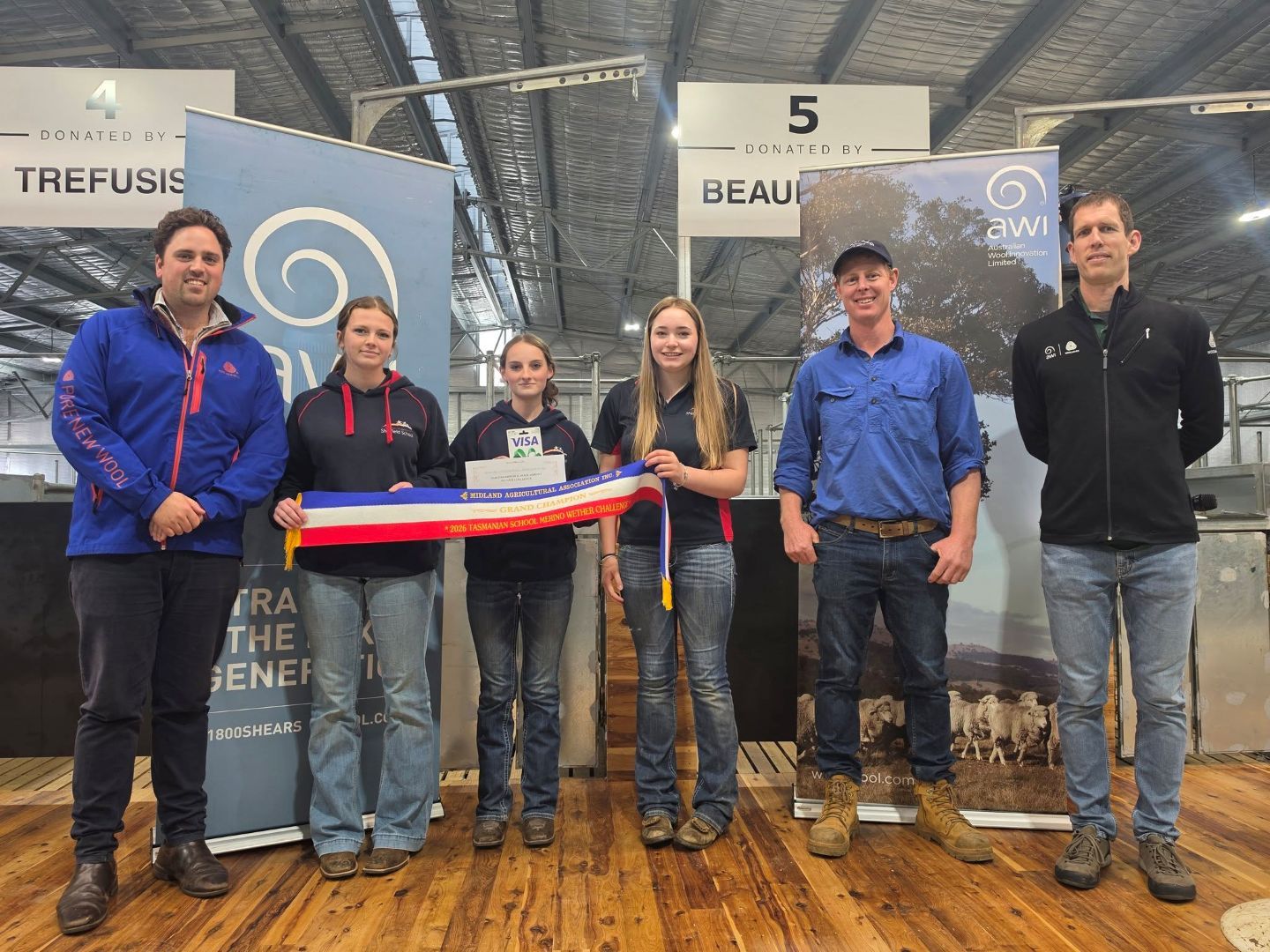
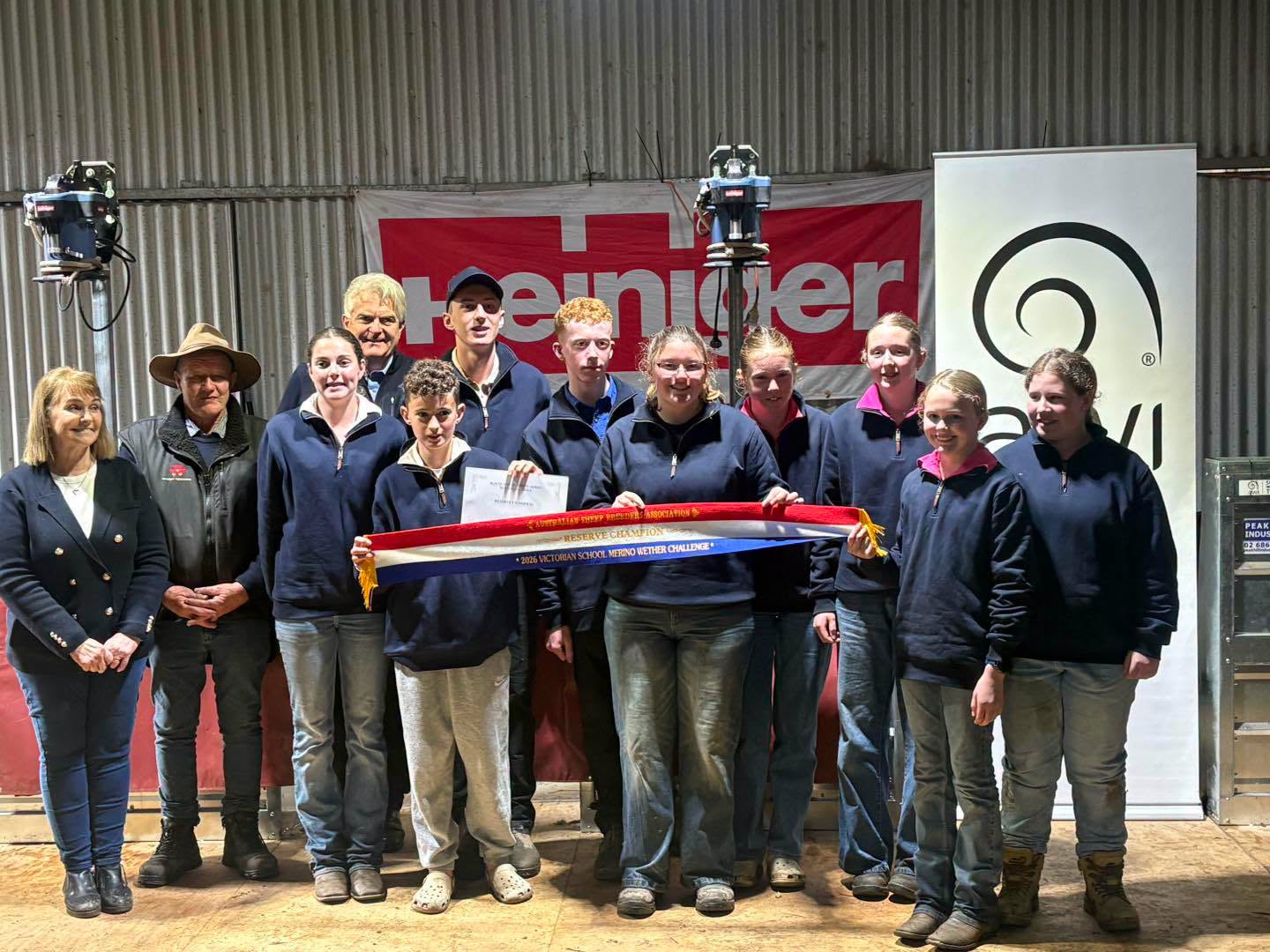
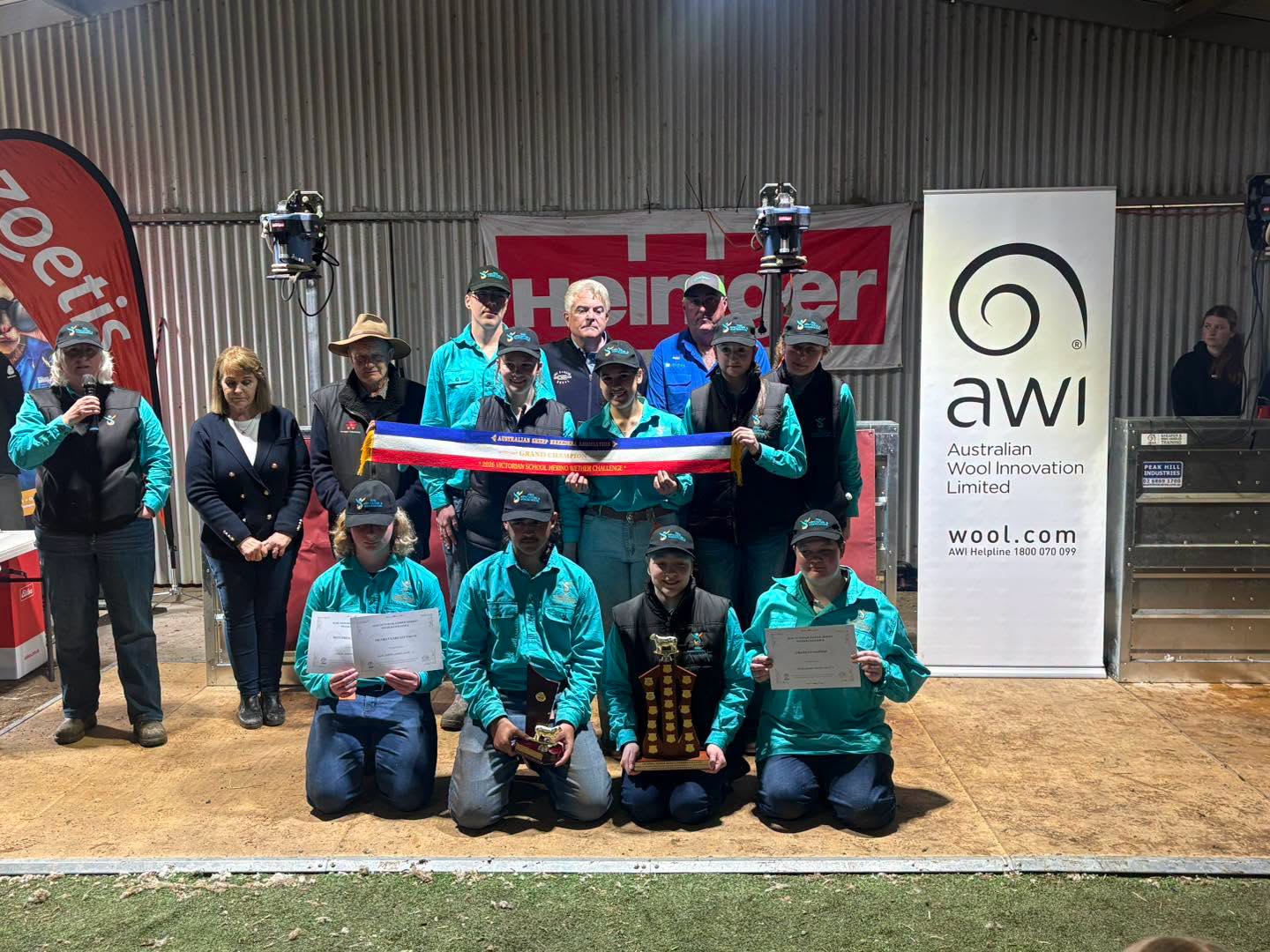
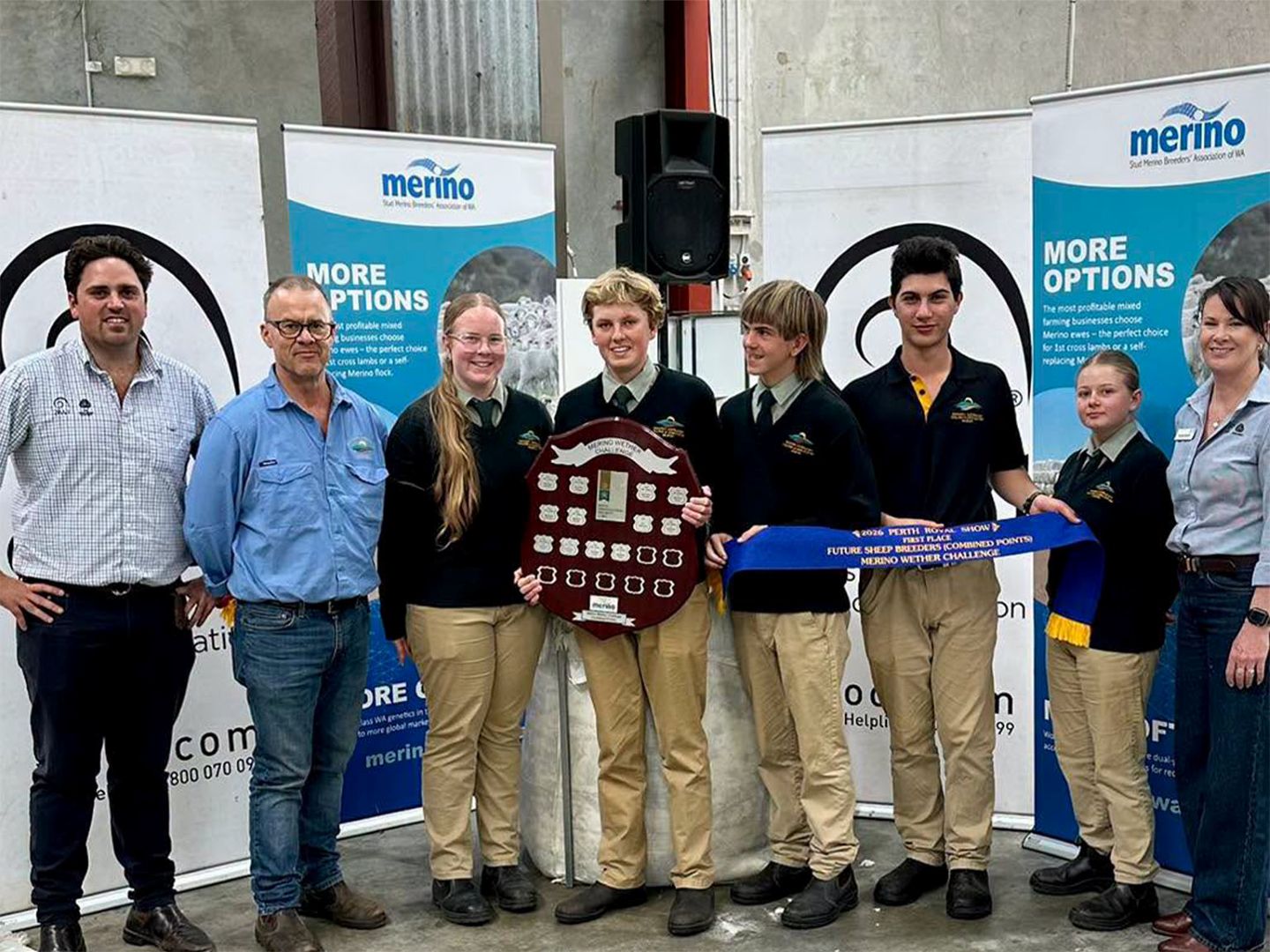
2026 School Merino Wether Challenge gallery
Interested in knowing more?
If you’d like to learn more about the School Merino Wether Challenge in your state or perhaps participate, please fill out the contact form below and we will be in touch.