





RLEM are red hot: check your TIMERITE now
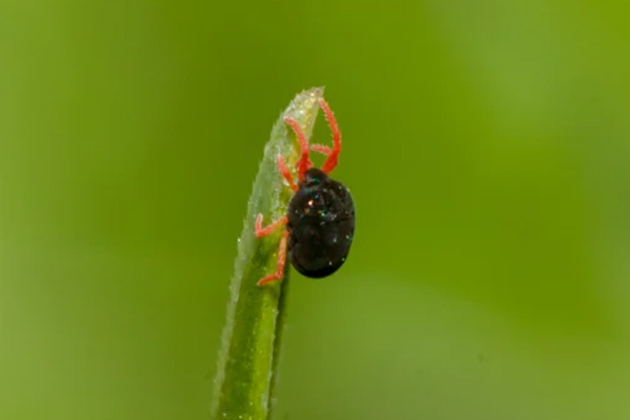
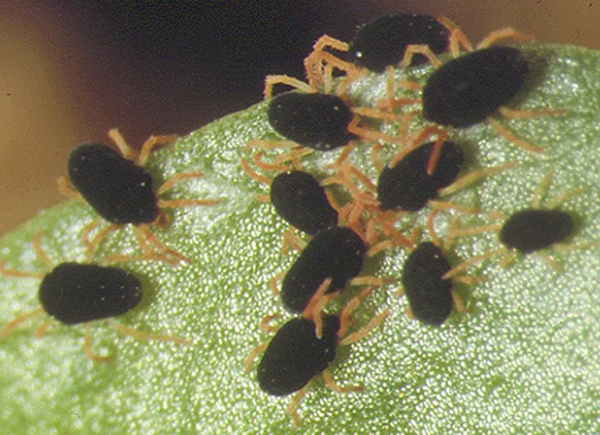
Feedback from across Australia tells us that redlegged earth mites are out with a vengeance this season, so the time is right to check your TIMERITE® redlegged earth mite (RLEM) spray options. Get the jump on RLEM using TIMERITE to predict the Ideal spray window best suited to your property.
Spring is around the corner, and so are redlegged earth mites (RLEM). A headache for woolgrowers in the winter rainfall regions of southern Australia, RLEM are estimated to infest over 20 million hectares of agricultural land, causing over $200 million damage by way of failed plant establishment and reduced productivity in pastures annually, with an additional $44 million in damaged grain crops.
With RLEM typically active from late April until early November, the time is right to act as autumn rainfall, accompanied by cool temperatures, breaks summer dormancy and triggers diapause eggs to hatch.
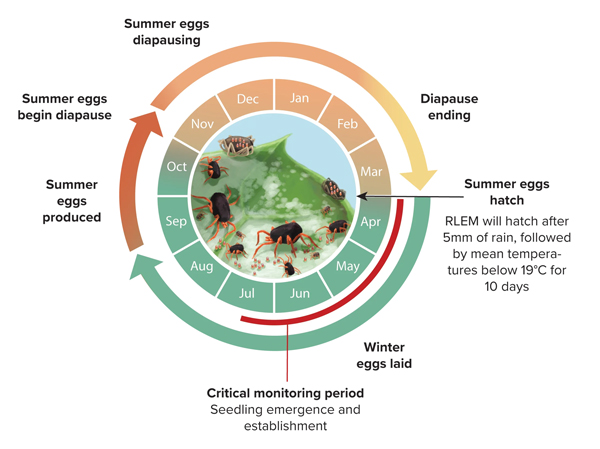
Image with thanks to Cesar Australia
Strategic spraying of pastures in late winter–spring can help minimise RLEM damage to pastures the following autumn. However, the best date to spray depends on where in Australia the farm is located.
What’s my TIMERITE® Best spray date?
Find your property’s TIMERITE® Best spray date and Ideal spray window by using the tool now.
Developed and funded by AWI and CSIRO 20 years ago, the TIMERITE tool was recently updated by Cesar Australia and CSIRO with funding from AWI, GRDC, MLA and Cesar Australia.
TIMERITE calculates your Best spray date and Ideal spray window based on your specific location and assumes the application of a long residual pesticide for control (e.g. omethoate). Other pesticides with shorter residual activity may have reduced efficacy.
For some wool-growing regions of Australia, the TIMERITE Ideal spray window opens as early as the third week of July, making now the ideal time to check the dates for your property.
It should be noted that TIMERITE is effective in predictions for spraying RLEM, but not for other pasture pests (including blue oat mites and others which look similar), so it’s important you know which pest you’re dealing with.
TIMERITE works by accurately predicting the timing of diapause (over summering) egg production and implementing control measures before this critical stage in the RLEM life cycle. By controlling RLEM populations prior to diapause egg production, the number of mites that hatch that following autumn is drastically reduced.
Be wary of over spraying. Overuse of chemical spraying leads to pesticide resistance, an increasing occurrence in RLEM, so only spray when needed.
Key Strategies to Reduce your RLEM Risk
- Avoid sowing highly susceptible pasture species or crops into paddocks known to have high mite numbers.
- Incorporate a cereal crop into your rotation to reduce mite numbers.
- Control weeds, especially broadleaf weeds, within paddocks and along fence lines.
- Heavily graze pastures in spring.
- Burn stubbles to reduce mite numbers the following autumn.
TIMERITE should be used when the risk of RLEM in the following season is high. This includes situations such as:
- High numbers of RLEM or significant feeding damage across the paddock in late winter–spring.
- If you have plans to sow a susceptible pasture species or crop (e.g. canola, medic or clover).
More information
This article appeared in the AWI Woolgrower Newsletter July 2026. Reproduction of the article is encouraged and should be attributed as follows: This article was first published in the AWI Woolgrower Newsletter.