





Q fever: prevention and control for woolgrowers
Q fever is the most common zoonotic disease in Australia. Growers, shearers and wool handlers, abattoir workers, vets, brokers, and agents are at risk of this animal-borne disease through exposure to livestock.
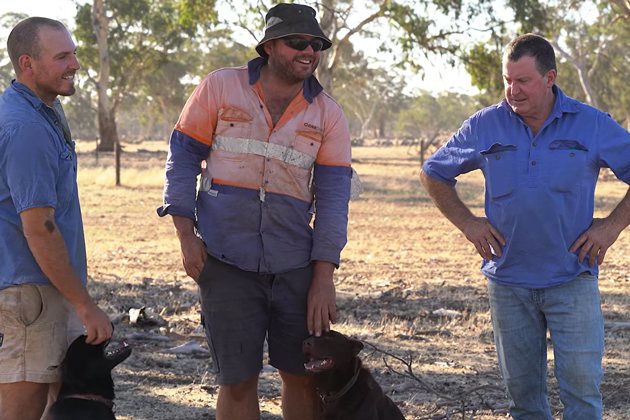
Main image: Ollie Clothier (centre, pictured with brother Sam [left] and dad, Graham [right]) contracted Q fever whilst helping at a family friend’s station during crutching and mustering.
Author: Emily King, AWI National Extension Manager
What is Q fever?
Q fever, caused by the bacterium Coxiella burnetii, is recognised as Australia's most common zoonoses (diseases of animal origin). Livestock farmers bear substantial disease burden and Q fever poses a real risk to Australian woolgrowers. The bacterium is highly infectious and environmentally resilient, capable of surviving in dust, soil, wool and faeces for months.
With sheep and other ruminants as primary reservoirs, woolgrowers are particularly at risk due to their close and frequent contact with livestock and contaminated materials such as fleece, placenta, faeces, and urine. C. burnetii is highly infectious and can survive in air, soil, water and dust for more than a year, and in wool for almost 9 months.
Hear directly from SA producer, Ollie Clothier, about how catching Q fever impacted him:
How is Q fever transmitted?
Q fever spreads primarily through inhalation of contaminated particles. Even minor disturbances in a shearing shed or the yards, like sweeping, animal movement, or fleece handling, can aerosolise infected particles. The risk is highest during lambing and shearing, particularly when handling ewes that have recently lambed, as birthing fluids and placentas may contain large numbers of C. burnetii.
Other transmission routes include:
- Direct contact with infected animals or contaminated materials (e.g., fleece, hides, bedding).
- Dust blown from paddocks or yards during dry, windy conditions.
- Ingestion of unpasteurised milk (rare in Australia).
- Infrequently, tick bites.
The bacterium has a low infectious dose – inhaling just one organism may be sufficient to cause illness. The incubation period typically ranges from 2–3 weeks, though symptoms may appear earlier or later.
Recognising Q fever in humans and livestock
In humans, Q fever often presents as a flu-like illness, with symptoms including:
- High fever
- Severe headache
- Fatigue
- Sweating and chills
- Muscle and joint pain.
More severe complications can include pneumonia, hepatitis, and in rare cases, chronic Q fever. Chronic Q fever is a life-threatening condition affecting the heart or liver, and some individuals may develop post-Q fever fatigue syndrome, causing long-term disability.
In livestock, Q fever is generally asymptomatic, though it can cause reproductive issues such as abortions, stillbirths, and weak lambs. Unfortunately, the lack of obvious signs in animals makes detection and control more challenging.
Risks for woolgrowers
Woolgrowers are at heightened risk due to:
- Frequent exposure to dust and animal secretions during shearing and lambing.
- Working in enclosed or poorly ventilated sheds.
- Handling afterbirth or disposing of placenta and carcases.
- Contracting teams moving between properties and potentially spreading the infection.
- Additionally, family members, dogs, and others living on or visiting farms may also be exposed.
Prevention and control
Vaccination is the most effective preventive measure for at-risk adults. The Q-VAX® vaccine is available for people aged 15 and over but requires prior screening (skin and blood test) to avoid adverse reactions. The vaccine provides long-term protection with a single dose.
All woolgrowers, shearers, and people working with livestock, no matter how infrequently, should consider vaccination. To find a Q fever vaccination provider in Australia, contact your local public health unit or checking the relevant state health department website.
Safe animal handling
It is recommended to use PPE (e.g., disposable gloves, P2/N95 masks, protective clothing) when handling birth products or assisting with lambing. Segregate birthing ewes from the main flock and manage placental waste safely (e.g. burying or composting), and avoid high-pressure hosing in shearing sheds, which can aerosolise infectious material.
Hygiene and shed management should include:
- Regularly cleaning and disinfecting yards, pens, and sheds.
- Ensuring good ventilation in enclosed areas.
- Wetting down dusty yards before working in them to minimise aerosol formation. This has additional benefits in reducing the risks respiratory disease and additional exposure to chemicals and other contaminants.
- Minimising unnecessary visitors to shearing sheds or lambing areas.
Animal health practices
Work with veterinarians to investigate reproductive losses in ewes. Animals with suspected abortions should be identified and isolated and if Q fever is suspected, consider diagnostic testing.
Communication and record keeping
Communication and education between owners, employees, contractors, family, and visitors about the risk of Q fever is an important step in the prevention of transmission of the disease to humans. Keep track of personal vaccination records and encourage new employees or contractors to get screened and vaccinated.
Q fever remains a silent threat to woolgrowers, particularly during lambing and shearing. While often overlooked, it can have profound health and productivity impacts. Fortunately, through awareness, vaccination, and simple biosecurity measures, woolgrowers can protect themselves, their employees, and their families from this occupational disease.
Is it worth preventing Q fever?
Absolutely! The economic benefits of prevention far outweigh the costs of implementation, making comprehensive Q fever prevention programs both good for the people and sound business practice for Australian woolgrowers.
Q fever prevention in the wool industry requires a cohesive approach, combining vaccination, engineering controls, protective equipment, hygiene practices, and education.
The availability of Australia's highly effective Q-Vax vaccination program provides the foundation for successful prevention but is best combined with robust workplace controls and practices.
Successful prevention programs include management commitment, worker participation, and systematic implementation of proven control measures. With proper implementation, Q fever can be effectively prevented, protecting worker health while maintaining productive and profitable wool-growing operations.
More information:
- Healthdirect – Q fever
- Australian Immunisation Handbook – Q fever
- Australian Government Department of Health – Immunisation contacts
- Australian Government Department of Health – Q fever
- Information by state:
- Q fever facts
- Making More From Sheep Tool 11.17 Zoonotic diseases of sheep
- AWI Extension SA 10-minute talk: Q fever with producer Ollie Clothier and GP Dr Scott Lewis
This article appeared in the AWI Woolgrower Newsletter January 2026. Reproduction of the article is encouraged and should be attributed as follows: This article was first published in the AWI Woolgrower Newsletter.