




Protecting Merino wool quality during emergency feeding
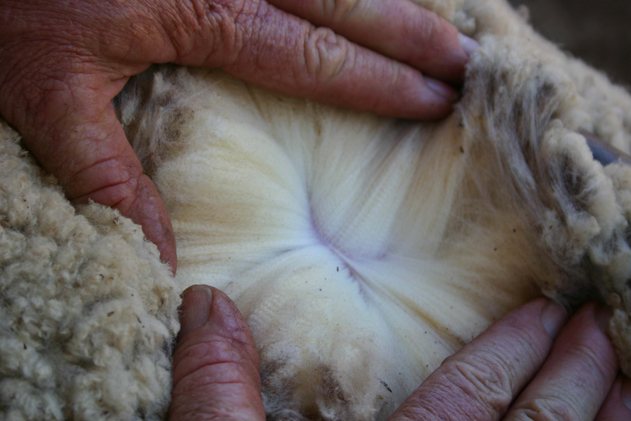
During prolonged disaster feeding, maintaining consistent roughage, providing adequate nutrition and avoiding sudden ration changes are some of the most effective ways to prevent tender wool and breaks in your wool.
Author: Jed Sommerfield, Industry Recovery and Resilience Officer
During emergencies and disasters, many producers utilise emergency feed sources, most commonly hay. While essential for animal survival, this feed source can vary in quality and quantity, and you need to be aware of potential negative impacts, especially around tender wool or having a break in your wool.
During these extreme times your stock may face nutritional stress. While this is not ideal, there may not be many feeding decisions to make as you just take what you can get. What you can do is collect and record general information around the estimated number of stock, their location, the type, amount and quality of feed being fed, which will let you know and track the current situation. These records will help monitor your stock’s health and welfare and help you to better understand (and remember why) the impact on the quality of wool at a later date.
After the immediate emergency response, if the disaster is ongoing and extended periods of feeding is required, be aware of the following points:
- Avoid time off feed: Rumen health and function decrease significantly if stock are off roughage for more than 24 hours.
- Avoid sudden changes in feed type and/or quality: It can take 10–14 days for the rumen microbes to adjust to new feeds.
- Monitor feed quality: Test feed to know the energy and protein levels to allow for feeding sufficient levels, especially if feeding different classes of stock.
- Store feed correctly: Feed can spoil quickly after flooding or prolonged wet conditions. Ensure the feed purchased was stored, and continue to store it, correctly on your property to reduce wastage, spoilage and contamination.
- Feed in a suitable location: Avoid feeding stock in very dusty or very muddy locations as both can affect the fleece yield and vegetable matter (VM) content of your wool.
- Weeds: Be aware of the source of the fodder and the potential for weed and seed contamination of both your wool and your property. It's encouraged to always request weed (and pest) free certificates.
If you would like more information, a great starting point is the free, online Making More From Sheep (MMFS) package. MMFS gives producers tools to manage nutritional changes, avoid time-off-feed issues and reduce contamination impacts. It’s free, easy to use, and designed to help woolgrowers make confident decisions when conditions are at their worst.
More information
- AWI Flood recovery resources
- AWI Bushfire recovery resources
- AWI Drought resources
- MMFS Module 2 Market Focused Wool Production
- MMFS Tool 10.5 Liveweight targets for weaners and young ewes
- MMFS Chapter 11.1 Keep your sheep in good condition
- MMFS Chapter 11.5 Meet animal wellbeing requirements
- MMFS Tool 11.1 Energy and protein requirements of sheep
- MMFS Tool 11.2 Condition score targets for adult sheep
- MMFS Tool 11.4 Calculating the cost of energy and protein of common feeds
This article appeared in the AWI Woolgrower Newsletter February 2026. Reproduction of the article is encouraged and should be attributed as follows: This article was first published in the AWI Woolgrower Newsletter.