



China’s Merino Moment
For Australian woolgrowers, China’s role in the global wool industry has long been clear. But new consumer insights suggest that demand for Merino wool is not only growing, it’s evolving.
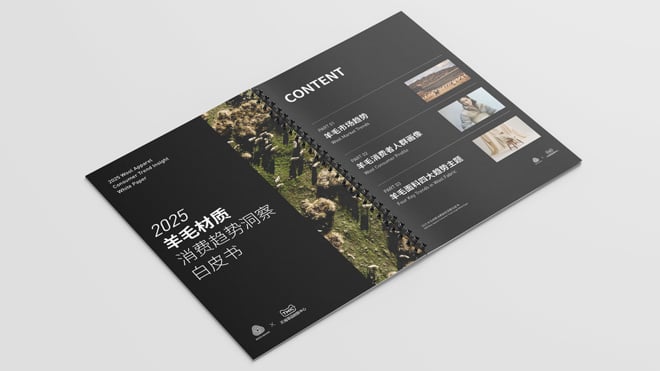
A recent Woolmark and Tmall Innovation Center (TMIC) white paper has shed light on what’s driving that growth, how Chinese consumers are using wool, and why this shift matters for those producing it.
The report tracks online sales and consumer behaviour across China’s wool apparel market and reveals an encouraging story for Merino: demand is spreading wider, reaching younger buyers, and finding new uses all year round.
Between July 2024 and July 2025, sales of Merino wool apparel rose 18% outpacing the broader apparel market. This growth was primarly driven by an expansion in Tmall’s consumer base, which grew by 13%.
This growth is not coming from one product alone. While classic wool categories like coats and suits remain steady, the fibre’s strength now lies in its ability to stretch into new lifestyles and product categories. Nowhere is that more obvious than in sportswear.
Merino’s natural performance is driving an activewear revolution in China. The report shows wool sportswear sales grew 58% year-on-year, with Merino wool sportswear surging by 119% compared to the previous year.
The reason behind this is Chinese consumers are increasingly investing in fitness and outdoor activity. Merino wool’s breathability, odour resistance and ability to manage moisture have made it a natural choice for running, cycling and gym wear. TMIC data even shows wool use in fitness apparel rising nearly 400%, underlining just how quickly perceptions of the fibre are changing.
While the performance story is reshaping wool’s future, its cultural relevance is also deepening. The white paper highlights the rise of “Guochao” – a consumer trend celebrating Chinese heritage and craftsmanship. Within that, designers are weaving wool into traditional styles such as Hanfu, where wool-based garments recorded more than 200% growth. For growers, this matters because it adds depth to wool’s reputation in China.
Beyond function and luxury, wool is now being recognised as a fibre of authenticity – one that connects with both modern design and traditional identity. At the heart of this shift is a new generation of consumers.
The core buyers of Merino apparel are now post-80s and post-90s generations – educated, urban and digitally connected. Concentrated in Tier 1 and emerging Tier 1 cities, they are more likely to spend on premium and fashion-forward products and see wool as a symbol of quality and modern style. This younger consumer base also values sustainability and traceability, opening the door for Australian wool to stand out even more strongly.
In a market where provenance and natural performance count, the story of Australian Merino – responsibly grown, renewable and high quality – continues to resonate. Perhaps most striking is the shift in when people wear wool.
Once confined to winter coats, Merino is now appearing in spring and summer wardrobes – from T-shirts and polo shirts to lightweight knits and hoodies.
The report notes that four-season use has become one of Merino’s defining strengths, supported by social media conversations that reflect its versatility across work, sport and leisure. This year-round demand helps balance the seasonal nature of wool sales and supports more consistent market activity – good news for the supply chain, and for growers watching price trends back home.
While reports like these are built from online data and consumer insights, their implications reach far beyond the retail space. China’s growing appetite for Merino across diverse categories signals a market that’s broadening, not contracting.
For Australian woolgrowers, that means a more resilient base of demand. It reinforces the value of quality fibre and supports the industry’s investment in performance, education and innovation.
Most importantly, it reflects a simple truth: the qualities that make Merino exceptional on the sheep’s back – breathability, comfort and natural durability – are exactly what today’s global consumers are looking for.
As China embraces wool in new and unexpected ways, Australia’s Merino producers remain at the centre of the story, growing the fibre that continues to inspire fashion, function and trust worldwide.