



Australian woolgrowers help improve European textile labelling
The proposed environmental labelling on apparel products for sale in the European Union (EU) that threatened to disadvantage Australian wool has been deferred.
Australian Wool Innovation (AWI) has led research efforts to address shortcomings in the Product Environmental Footprint (PEF) methodology which would have rated synthetic fibres made from fossil fuels better for the environment than natural fibres like wool.
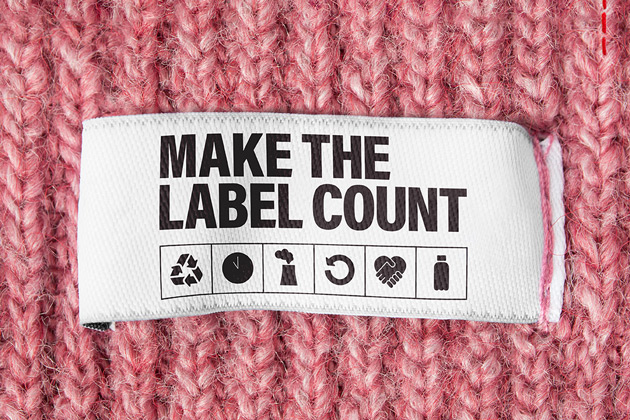
AWI reached out to wool growers and worked collaboratively with like-minded organisations globally to highlight concerns and address the weaknesses of PEF methodology on two fronts. Firstly, in the European Commission’s PEF Technical Secretariat where AWI has been providing expert advice based on its science and research via the International Wool Textile Organisation (IWTO). Secondly, in advocating to EU policymakers as part of the Make the Label Count campaign.
AWI’s Program Manager, Fibre Advocacy & Eco Credentials Angus Ireland says the role of Australian growers in highlighting the flaws helped greatly.
“At the IWTO in Adelaide last April, wool industry participants were encouraged to respond strongly to the EU’s final public consultation on PEF’s methodology flaws - and they clearly did. Wool buyers and brokers, such as Fox and Lillie, helped greatly in getting the message out and asking growers to respond,” Angus said.
“Not withstanding the need for a ‘black belt in passwords and apps’ to access the EU’s consultation portal, more that 80% of the 293 responses were from natural fibre industries, with the great majority from wool.
“It now seems likely the French Eco-score for textiles will take priority, with mandatory labelling required to substantiate green claims for clothing sold in France expected in 2026.
“However, PEF may still be applied to other EU legislation, and is something AWI staff continue to monitor and engage in. The French scheme uses AWI’s high-quality LCA dataset and reports a more favourable score for wool but it’s far from mature or robust, so it’s critical we continue to engage with French policymakers proposing improvements to ensure a level playing field for wool and other natural fibres.”
For more background, please see the attachment detailing AWI’s recent submission to the European Commission’s consultation on the use of PEF in delivering the EU’s Ecodesign for Sustainable Products Regulation (ESPR).