




Australian Merino wool performing on the Olympic stage

As athletes compete at the Milano Cortina Winter Olympics, Australian Merino wool is being tested under extreme conditions. Official supplier XTM Performance is using Woolmark-certified Merino base layers to support the Australian team, reinforcing wool’s role as a modern, high-performance fibre on the world stage.
As athletes compete in freezing temperatures at the Milano Cortina 2026 Winter Olympics, every layer of clothing is being tested under extreme conditions.
Long competition days, high physical output and rapid changes in weather place constant pressure on the gear athletes rely on — particularly the layers worn closest to the skin.
It is in this environment that Australian Merino wool is once again demonstrating its performance credentials.
Australian winter apparel brand XTM Performance is supplying technical clothing to the Australian Winter Olympic Team throughout the Games.
As the official supplier to the Australian Winter Olympic Team, XTM incorporates Woolmark-certified Australian Merino wool into its base layers and cold-weather performance gear, supporting athletes as they train and compete across alpine and snow-based events.
For more than 17 years, XTM has worked alongside Australia’s winter athletes, refining apparel designed to perform in cold, high-exertion and unpredictable alpine conditions. The inclusion of Merino wool is not about tradition or branding — it is about function.
Why Merino performs when conditions are unforgiving
Winter sport presents a unique challenge for clothing systems. Athletes may move rapidly from extreme cold into periods of intense physical output, then back into cold environments again. Managing body temperature without overheating — while still retaining insulation — is critical.
Merino wool’s natural ability to regulate temperature helps maintain comfort across these transitions. Unlike many synthetic fibres, Merino continues to insulate even when damp, while efficiently managing moisture vapour away from the body. Natural odour resistance also allows garments to be worn for extended periods — an advantage during long competition days and tight event schedules.
These characteristics are why Merino wool continues to be selected for performance applications where failure is not an option.
The role of Woolmark certification
The Merino wool used in XTM’s Olympic performance garments is certified through The Woolmark Company, which sets strict standards around fibre authenticity, quality and performance.
For brands supplying elite sport, certification provides confidence that the fibre will behave consistently under pressure. For woolgrowers, it provides assurance that Australian Merino wool is being recognised — and verified — as a technically credible performance fibre in global markets.
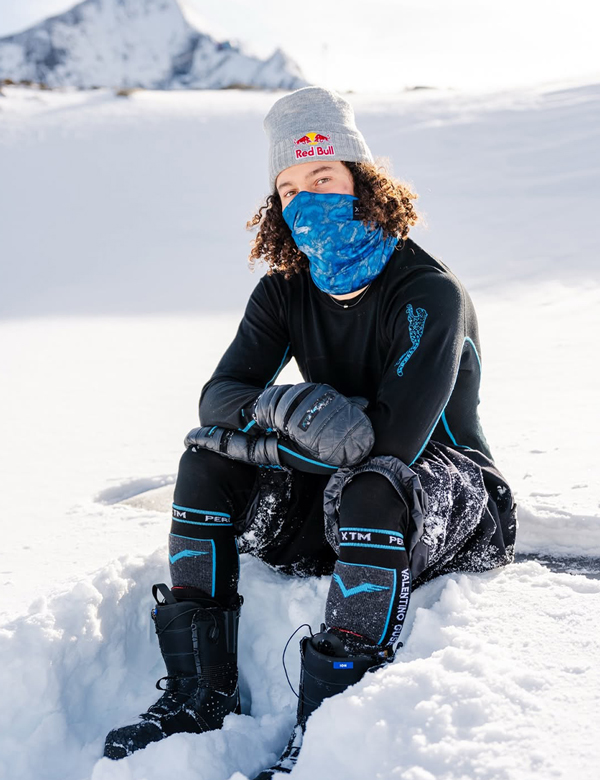

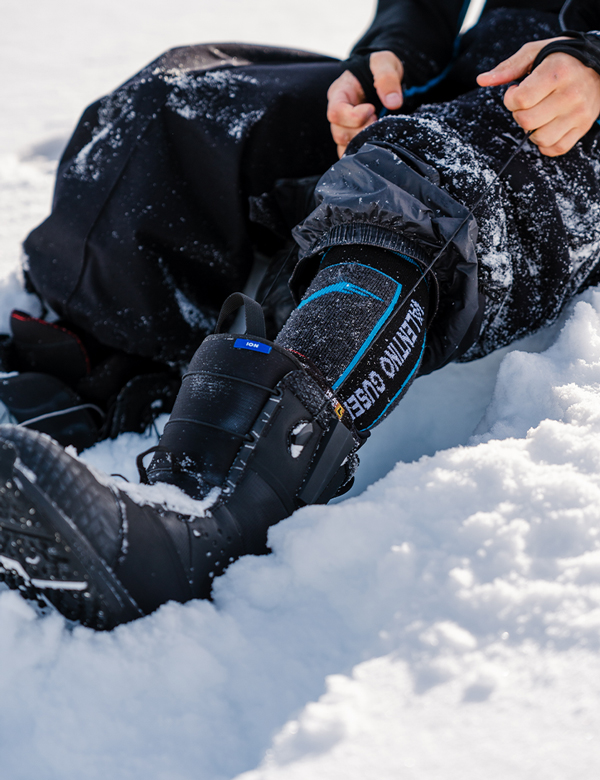
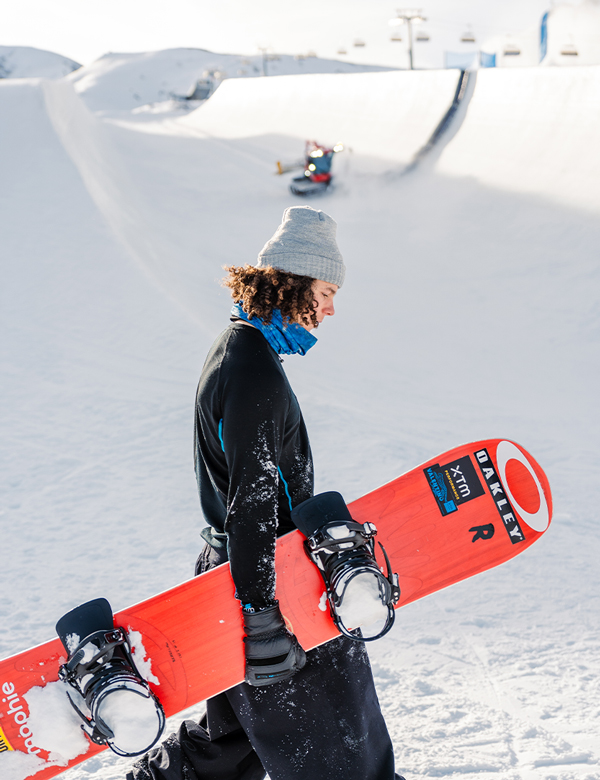
Image source: XTM
What this means for woolgrowers
While Olympic athletes are the most visible users of these garments, the implications extend well beyond the competition field.
Supplying elite performance markets places demands back through the supply chain — on fibre diameter consistency, comfort factor, strength and processing reliability. These are the same attributes influenced by breeding programs, nutrition, animal health, shearing and clip preparation on farm.
When Australian Merino wool performs under Olympic conditions, it validates the long-term genetic progress and management decisions made across wool-growing regions.
It also strengthens wool’s position against synthetic fibres in technical apparel categories, where competition is intense and performance claims are scrutinised.
Importantly, performance-driven applications tend to sit at the higher end of the value chain. These markets are typically less exposed to short-term fashion trends and more aligned with durability, function and repeat demand — all factors that support long-term confidence in wool.
From paddock to performance
Most wool will never be worn by an Olympian. But when Australian Merino wool performs on the world’s biggest winter sporting stage, it reinforces wool’s relevance in modern apparel systems — from outdoor recreation to everyday active wear.
As competition continues at Milano Cortina, Australian wool is once again proving that its role in global apparel is not about nostalgia, but about performance — linking paddock decisions directly to outcomes on the world stage.
The XTM Australian Winter Olympic Team Collection can be found here.
This article appeared in the AWI Woolgrower Newsletter February 2026. Reproduction of the article is encouraged and should be attributed as follows: This article was first published in the AWI Woolgrower Newsletter.