




Where wool can take you

A new resource on AWI’s Woolmark Learning Centre is helping students discover their future in wool by opening up an entirely different world of careers beyond the farm gate.
For many young Australians growing up around wool, a career in the industry might traditionally have meant working on farm, in the shearing shed, in livestock or agricultural services.
But follow an Australian wool fibre beyond the farm gate and an entirely different world of careers opens up.
From wool buying, exporting and processing to textile science, product development, sustainability, marketing, fashion and design, the global wool supply chain relies on people with an extraordinarily broad range of skills.
A new careers resource on the Woolmark Learning Centre is helping students and young professionals discover those opportunities and understand where a career involving wool could take them.
The resource builds on AWI’s broader investment in education, providing a pathway for people to learn about wool and the industries surrounding it.
The Woolmark Learning Centre offers free digital coursework covering the wool supply chain, with learning ranging from an introduction to the fibre through to wool science, processing, textile manufacturing, knitwear and woven textile design.
Importantly, that education connects the fibre grown on Australian farms with the people who will eventually specify, process, innovate with, market and design with wool around the world.
For woolgrowers, attracting those people matters.
The future demand for Australian wool depends not only on producing a high-quality fibre, but on having skilled and enthusiastic people throughout the supply chain who understand what wool can do and continue finding new applications and markets for it.
That can begin long before someone has decided they want a career in wool.
A student interested in science might discover opportunities in fibre technology or textile engineering. Someone drawn to sustainability could work with natural fibre supply chains and traceability. Others may find their place in manufacturing, product development, marketing, retail or fashion.
The common thread is wool.
Programs such as the Woolmark Performance Challenge are another way Woolmark is connecting emerging talent with the global industry.
The annual challenge asks university students to develop innovative product solutions using Merino wool, bringing together education, industry expertise and real-world experience.
For some participants, those opportunities have become the beginning of a career.
From Woolmark Challenge to Prada
For 2023 Woolmark Performance Challenge winner Joon Han, participating in the competition became part of a journey that has now taken him into the international fashion industry.
Following his success in the challenge and the opportunities that followed, Joon has secured a full-time role with Prada.
His progression is a tangible example of what wool industry education and engagement can achieve: introducing talented young people to the fibre, connecting them with industry and giving them opportunities to apply their skills in a commercial environment.
The Woolmark team has continued to follow Joon’s career since the competition, with his latest achievement marking another step in a relationship that began through wool.
Opening the door
Not every person who explores the new careers resource will ultimately work directly with wool.
But giving students and young professionals visibility of the breadth of the industry is an important first step.
For Australian woolgrowers, the people entering those careers may seem a long way removed from the paddock.
In reality, they are part of the same supply chain. They will be the scientists exploring the fibre’s performance, the manufacturers turning it into new textiles, the designers specifying it in their collections and the marketers telling consumers why natural fibres matter.
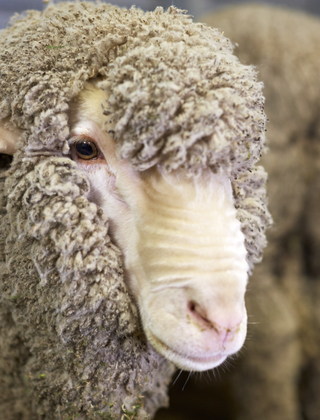
The sheep and the fibre may be where the wool story begins.
The people who take it from there will help determine where it goes next.
WHERE COULD WOOL TAKE YOU?
A career in wool can take many different directions:
- Wool buying and exporting
- Textile science and technology
- Processing and manufacturing
- Product development and innovation
- Sustainability and traceability
- Fashion and textile design
- Marketing and communications
- Retail and brand development
Explore careers in wool through the Woolmark Learning Centre.
This article appeared in Issue 106 of AWI’s Beyond the Bale magazine that was published in September 2026. Reproduction of the article is encouraged and should be attributed as follows: This article was first published in Issue 106 of AWI’s Beyond the Bale magazine.