




When the season turns
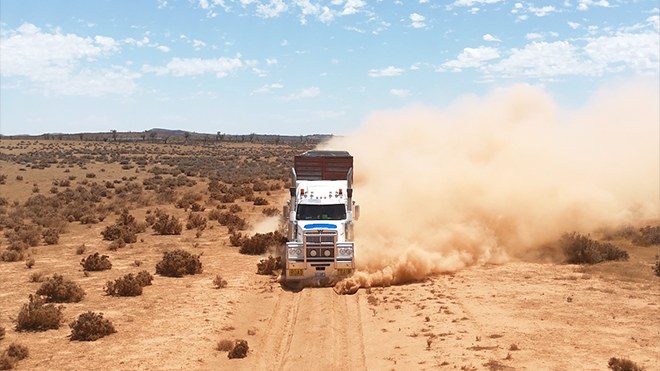
Few images demonstrate the cycle of Australian agriculture quite like these.
Images by Shannon Donoghue (@shannon_donoghue)
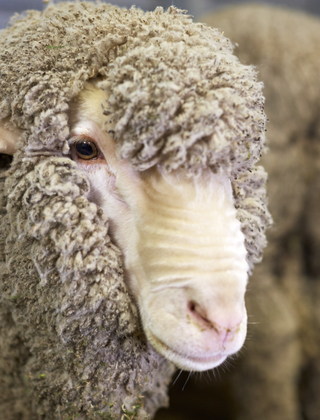
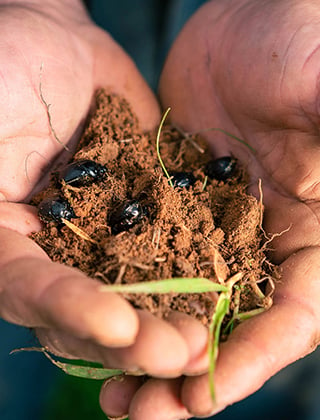
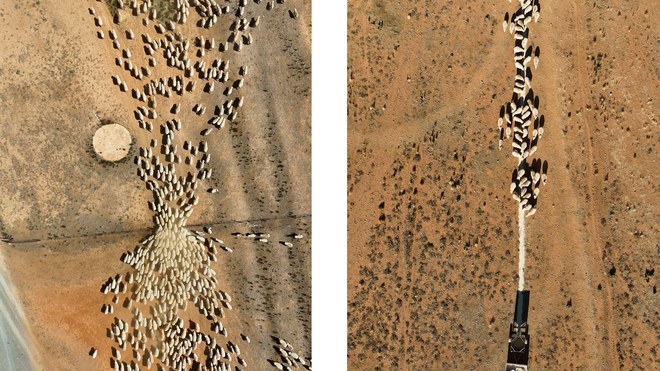
Eighteen months ago, large parts of South Australia's agricultural country were drought-stricken – paddocks bare, dams depleted and livestock producers feeding stock through one of the most severe dry periods in memory.
Across the Adelaide region, rainfall during 2024–25 was 43 per cent below the long-term average, making it the driest reporting period on record. Across much of South Australia’s agricultural areas, rainfall over the 18 months from February 2024 fell to record-low levels. For woolgrowers, the consequences were familiar: declining pasture availability, supplementary feeding, destocking and difficult decisions about how best to protect breeding flocks.
Then the season turned.
Images by Shannon Donoghue (@shannon_donoghue)
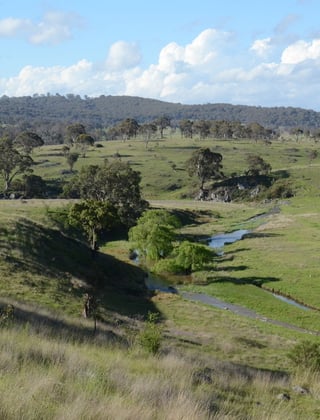
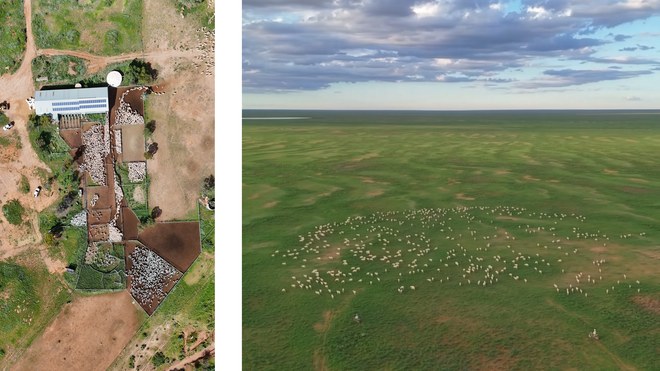
Rain through the second half of 2025, followed by above-average autumn and early winter rainfall in 2026, transformed much of the landscape. Where paddocks had been brown and depleted, feed returned – a dramatic turnaround captured in these before-and-after photographs.
It is also a reminder of something Australian woolgrowers understand well: drought is part of the production cycle, but so too is recovery.
And while conditions have improved considerably across much of South Australia, the dry has shifted elsewhere.
By the end of July, serious to severe rainfall deficiencies had developed or intensified across parts of north-eastern NSW and southern Queensland, as well as south-west and parts of the Pilbara–Gascoyne region of Western Australia. Longer-term rainfall deficiencies also remain across parts of southern NSW, including country through the Monaro, where producers are again contending with dry conditions.
The seasons turn – sometimes remarkably quickly. For those enjoying the recovery, it is welcome relief. For those now facing the dry, the cycle continues.
MORE INFORMATION
This article appeared in Issue 106 of AWI’s Beyond the Bale magazine that was published in September 2026. Reproduction of the article is encouraged and should be attributed as follows: This article was first published in Issue 106 of AWI’s Beyond the Bale magazine.