




Sheep Sustainability Framework
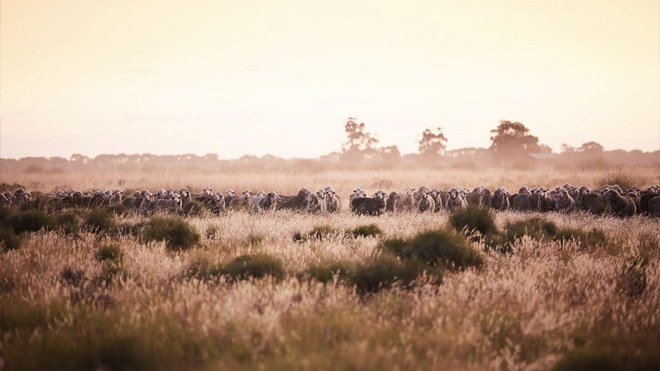
The next Sheep Sustainability Framework Annual Report will be released in November 2026. For woolgrowers, it is not another on-farm assurance program or a new set of requirements. It is an industry report: a way of bringing together data on the issues that customers, regulators, investors and the sheep industry are already asking about.
The Sheep Sustainability Framework, or SSF, reports on the Australian sheep meat and wool industries. It is led by Sheep Producers Australia and WoolProducers Australia, with funding, project management and secretariat support from Australian Wool Innovation and Meat & Livestock Australia.
The Framework tracks areas including animal welfare, animal health, environment, climate, people, profitability, productivity and market access. Its job is to show where the industry has data, where performance is changing and where more work is required.
That matters because the questions being asked of Australian wool are changing. Brands and retailers are increasingly expected to substantiate environmental and animal-welfare claims. Banks and insurers are paying closer attention to climate and business risk. Governments are looking for better information on traceability, biosecurity and sustainability.
The SSF gives the industry a common reference point for those conversations.
What will be in the November report?
The 2026 report will update the industry picture across a wide range of measures. Some of the areas most relevant to woolgrowers are outlined below.
Mulesing, flystrike and pain management
Mulesing remains a significant issue for many wool customers. The Framework reports industry-level data on mulesing and the use of appropriate pain management, as well as information from the National Wool Declaration.
The report also recognises that growers need workable flystrike-management options. It covers the role of genetics, including selection for lower breech wrinkle and other flystrike-resistance traits, alongside pain management and improved husbandry.
The point is not to prescribe a single approach for all woolgrowers. Flystrike risk varies between regions and production systems. The value of the Framework is that it gives the industry a more consistent way to explain the practices, research and progress behind those decisions.
Traceability and biosecurity
The report will also cover the continued rollout of electronic identification for sheep and goats. At an industry level, it strengthens traceability, disease response and market access.
The SSF also reports on biosecurity preparedness. This includes the industry’s work to reduce the risk and impact of an emergency animal disease, which is important for both flock health and continued access to export markets.
Environment and climate
The Framework reports on issues such as ground cover, vegetation, biodiversity, soil health, water, chemical use and greenhouse-gas emissions.
Not every grower will measure all of these on their own farm, nor is that the purpose of the report. The SSF is designed to show industry-level trends and identify where better information is needed.
One practical example is the SSF Ground Cover Dashboard. It uses satellite data to track ground cover and woody vegetation at a regional level. This gives the industry a better picture of land condition and seasonal change across sheep-producing areas.
The report also tracks the uptake of renewable energy and carbon-accounting tools, while recognising that emissions and production outcomes are influenced by season, flock numbers and farm productivity.
Profitability and market access
Sustainability reporting only has value if it supports viable sheep businesses.
The Framework therefore includes measures on profitability, productivity, research and development investment, export access and the value of sheepmeat and wool production. It also reports on the trade arrangements that support Australian wool’s access to global markets.
For growers, this is an important reminder that sustainability and profitability are linked. Better animal health, sound biosecurity, productive pastures, good genetics and access to markets all affect the long-term strength of a wool business.
What happens next?
The SSF’s current strategic plan focuses on three areas: stakeholder engagement; data collection and reporting; and responsiveness to industry needs.
Over the next year, that means improving the data available to the industry, continuing discussion with growers and supply-chain participants, and considering where the Framework should expand.
The November report will not have every answer. Its purpose is to provide a clearer picture of where the industry is now, and where attention is needed next.
MORE INFORMATION
For SSF updates and the Annual Report when released, visit: sheepsustainabilityframework.com.au
This article appeared in Issue 106 of AWI’s Beyond the Bale magazine that was published in September 2026. Reproduction of the article is encouraged and should be attributed as follows: This article was first published in Issue 106 of AWI’s Beyond the Bale magazine.