





Building new demand – one pooch at a time
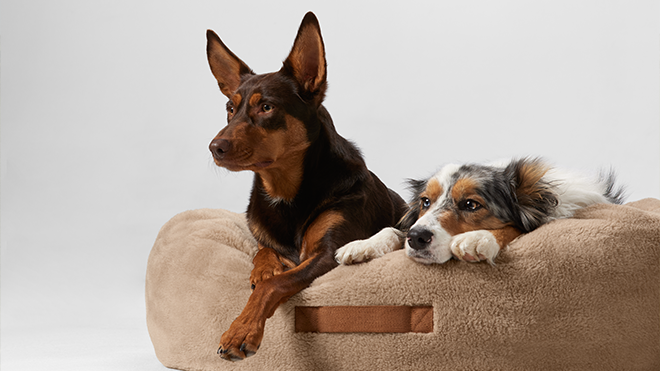
Australian wool has long been associated with apparel, but some of the most promising growth opportunities for the fibre are emerging well beyond the wardrobe.
Bedding – and increasingly pet bedding – is one such category, offering woolgrowers exposure to demand driven by performance, durability and repeat purchasing rather than fashion cycles. These emerging uses reinforce wool’s role as a working fibre, valued for what it does in everyday applications.
For MiniJumbuk, a proudly regional South Australian business with more than 50 years’ experience engineering wool into bedding products, the move into dog beds was a natural extension of its expertise.
“If there’s one idea I’d want a woolgrower to remember, it’s this: your fibre has value well beyond traditional apparel, and it performs exceptionally in everyday products where comfort, durability and natural performance really matter,” said Brett Woods, Chief Executive Officer of MiniJumbuk.
Wool is not being used as a marketing inclusion; it is selected because it solves real performance challenges. When engineered correctly, wool delivers measurable benefits while creating commercially viable, repeat-purchase categories that support long-term fibre demand.
From human bedding to dog beds
MiniJumbuk’s experience with wool quilts, mattress toppers and pillows provided the technical foundation for its pet bedding range. Wool’s ability to regulate temperature and manage moisture has long been established.
“From our experience, and this is backed by science, wool offers superior temperature regulation, keeping you warm in winter and cool in summer,” Woods said. “It manages moisture far better than synthetics, improving sleep comfort.”
Dogs, particularly larger or older animals, spend significant time resting. A stable, breathable sleeping surface supports comfort and hygiene, while durability remains critical for owners.
Wool’s natural resilience and ability to maintain loft makes it well suited to pet bedding, particularly compared with synthetic fills that can compress, degrade or retain odours.
What the fibre has to do
Dog bedding places significant demands on fibre performance. Products must withstand repeated compression, moisture and heat while maintaining structure and recovery.
“In dog bedding, the fibre needs resilience, spring and breathability,” Woods said.
“Structure and recovery are critical – the product must withstand repeated compression and bounce back consistently.”
Wool’s ability to absorb and release moisture vapour without feeling damp helps regulate humidity, supporting comfort and hygiene over time. For woolgrowers, this reinforces wool’s structural capability in applications where consistent performance matters.
Credibility at the shelf
As wool enters more mainstream retail environments, consumer trust becomes increasingly important. The Woolmark Wool Blend logo provides assurance around fibre content and performance.
“The Woolmark Wool Blend logo gives consumers immediate confidence that the wool content is genuine and verified,” Woods said. “In a retail environment, that trust is critical.”
This verification reinforces wool’s role as a functional component rather than a marketing addition – an important distinction in competitive retail categories.
Everyday exposure, real volume
Pet products introduce wool into households in a practical, performance-driven context. Consumers may not initially seek wool, but firsthand experience with durable, odour-resistant products helps reposition it as a high-performance fibre.
That exposure builds familiarity and repeat demand, strengthening wool’s position across non-traditional categories through proven performance.
What this means for woolgrowers
Pet bedding represents a genuine end-use market offering steady, non-seasonal demand.
“If a woolgrower asked me how this helps their business, I’d say it creates another genuine end-use market for their fibre,” Woods said.
In performance-led categories, wool’s durability, resilience and comfort provide a strong competitive advantage.
Looking ahead
The broader opportunity lies in wool’s role across functional, everyday products.
“What excites me most is wool’s potential in functional, everyday applications,” Woods said. “That represents a powerful opportunity for the industry.”
For woolgrowers, it reinforces the ongoing relevance of a fibre that continues to prove its value well beyond apparel.
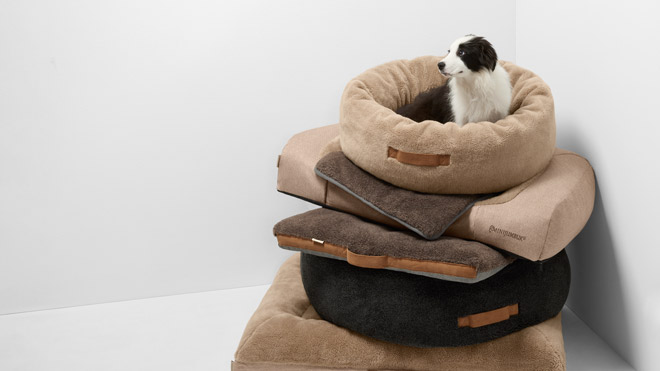
Expect to see the MiniJumbuk dog beds in store from March.
MORE INFORMATION
minijumbuk.com.au
This article appeared in Issue 105 of AWI’s Beyond the Bale magazine that was published in March 2026. Reproduction of the article is encouraged and should be attributed as follows: This article was first published in Issue 105 of AWI’s Beyond the Bale magazine.