




AWI working for woolgrowers
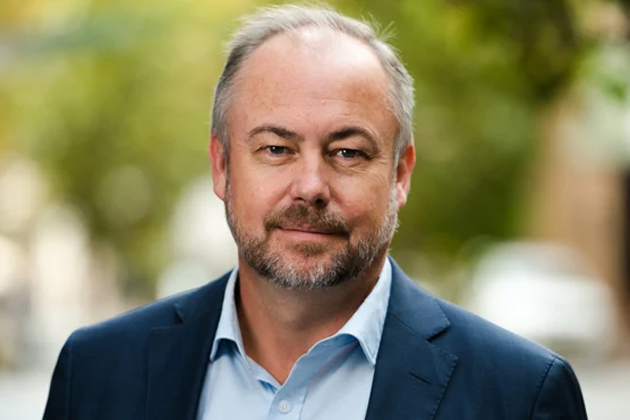
AWI CEO John Roberts provides readers with an overview of how AWI is undertaking R&D and marketing to address some of the key issues faced by Australian woolgrowers.
AWI’s purpose is to invest in research, development, extension and marketing to enhance the profitability, competitiveness and sustainability of the Australian wool industry. Every investment AWI makes is for the benefit of Australian woolgrowers.
Woolgrowers are at the centre of our work, you are our shareholders and levy payers. The collective advancement of our great industry is why we exist. We never forget that woolgrowing is tough and complicated. Recent rains in many dry areas of SA, NSW and Victoria are welcome but follow bushfires and drought.
On the flip side the prices paid for wool has seen a long overdue improvement compared to twelve months ago. That rise is a combination of improving demand especially in China but also the contraction in supply.
In this edition we take a deep dive on the drivers impacting the market.
Our Marketing team reports on successful campaigns in China and how it is elevating the reputation of wool among young consumers in our biggest market.
Closer to home we have stories on local brands working on everything from next to skin garments to dog beds.
Turning to research and development we have an update on the important work we are doing with the University of Adelaide on bioharvesting.
We also go to Haylands, in the NSW Northern Tablelands to talk to third-generation woolgrower Michael Edmonds who is participating in a long-term project trying to get to the bottom of flystrike and why some sheep even in the same mob are more prone.
This is promising work with a cracker team from Victoria’s Deakin University.
Better understanding, reducing and measuring methane from sheep is another key priority and a project we are working on.
Across the country we are proud to support School Wether Competitions a hands-on practical program giving students a chance to learn the wool industry by doing it. This is not just a feel-good exercise but a great way to promote and develop the industry’s next generation.
Last November, Jock Laurie retired as Chairman of the board after serving the company and the industry with distinction for a decade. South Australian grower and businessman, George Millington, was elected unopposed as his replacement. That change, and the election of Anthony Uren and Chris Mirams to the board, brings new ideas and approaches to the many challenges and great opportunities that are part and parcel of growing wool.
2026 is set to bring a better year for wool, and everyone who works at AWI will strive to help that happen. This edition of Beyond the Bale is the first of two this year, the next will be in September – happy reading.
This article appeared in Issue 105 of AWI’s Beyond the Bale magazine that was published in March 2026. Reproduction of the article is encouraged and should be attributed as follows: This article was first published in Issue 105 of AWI’s Beyond the Bale magazine.