




Australian Wool Production Forecast Report August 2026
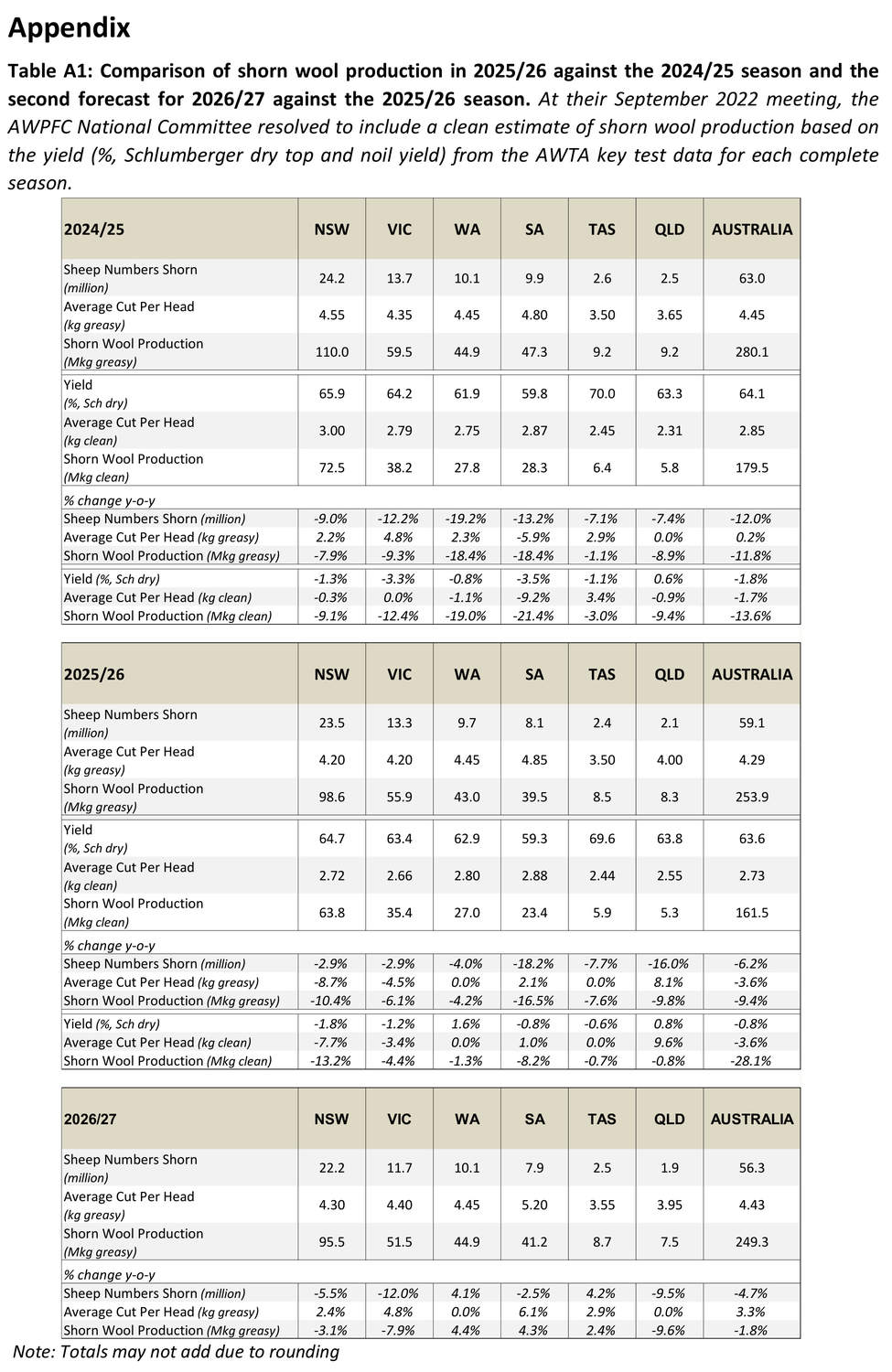
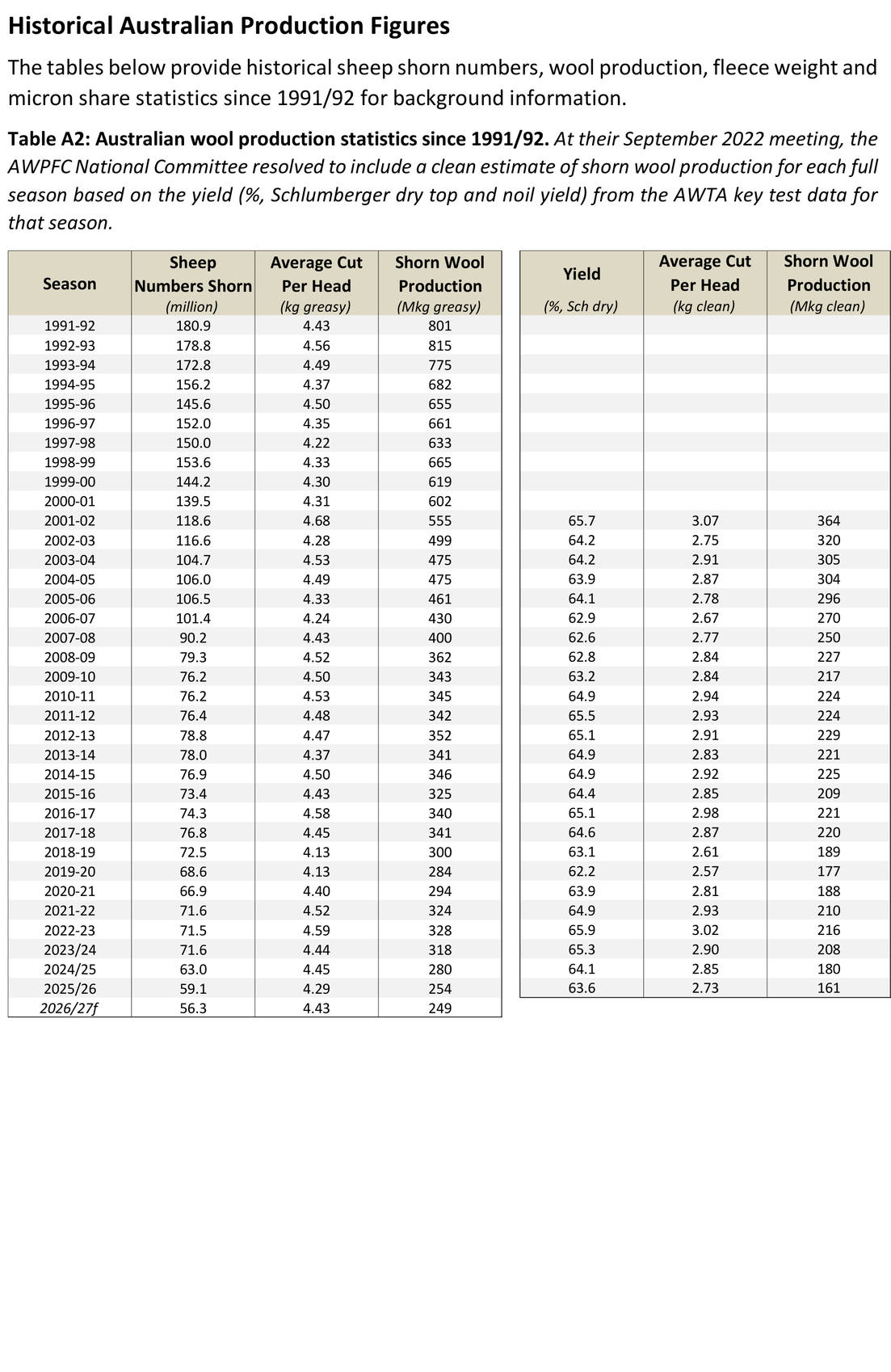
The Australian Wool Production Forecasting Committee’s (AWPFC) second forecast of shorn wool production for the 2026/27 season is 249.3 Mkg greasy, representing a 1.8% decrease on the estimated 253.9 Mkg greasy produced in 2025/26. Sheep shorn numbers are forecast to remain historically low at 56.3 million head, down 4.7% on 2025/26.
Summary
The Australian Wool Production Forecasting Committee’s (AWPFC) second forecast of shorn wool production for the 2026/27 season is 249.3 Mkg greasy, down 1.8% from the estimated 253.9 Mkg greasy produced in 2025/26. Sheep shorn numbers are forecast to fall 4.7% to 56.3 million head, remaining at historically low levels.
- National flock numbers appear to have stabilised, with any near-term flock growth likely to be driven by on-farm breeding rather than the purchase of replacement ewes due to high breeding stock prices.
- Seasonal conditions have improved since the April forecast, with widespread rainfall across South Australia, Victoria and Western Australia supporting feed availability and producer confidence. Conditions remain mixed in New South Wales and challenging in Tasmania and parts of Queensland.
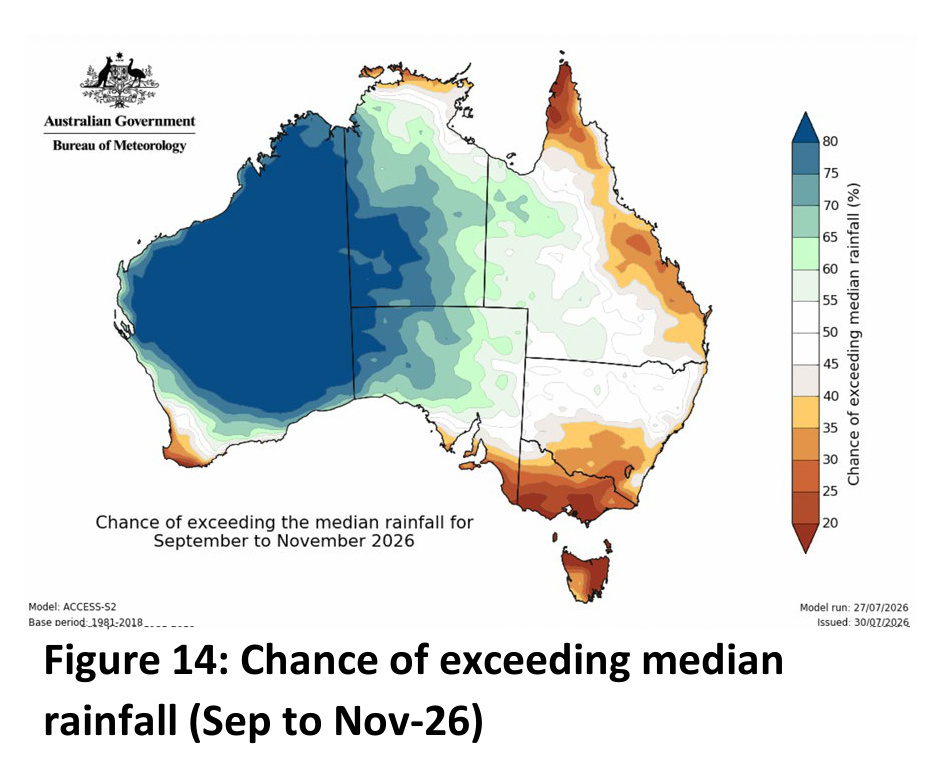
- The Bureau of Meteorology outlook for September to November 2026 indicates below average rainfall is likely across south-west WA, south-east SA, Victoria, Tasmania and parts of NSW and southern Queensland, while above average rainfall is forecast for much of Western Australia; temperatures are expected to be above average across most of Australia.
- Spring rainfall will be critical to supporting flock rebuilding through improved feed and water availability. However, ongoing cost pressures and a drier seasonal outlook are expected to temper producer confidence and encourage cautious management decisions.
- Results from the May 2026 Sheep Producer Intentions Survey indicate improved producer confidence, supported by stronger sheepmeat and wool markets. More producers intend to retain stock, rebuild flocks and increase breeding ewe numbers.
- The 2026/27 outlook follows an estimated shorn wool production of 253.9 Mkg greasy in 2025/26, down 9.4% from 2024/25 and 1.5 Mkg below the April forecast.
- Shorn wool production declined across all states in 2025/26, ranging from 4.2% in Western Australia to 16.5% in South Australia. New South Wales remained the largest wool producing state at 98.6 Mkg greasy, followed by Victoria (55.9 Mkg greasy), Western Australia (43.0 Mkg greasy), South Australia (39.5 Mkg greasy), Tasmania (8.5 Mkg greasy) and Queensland (8.3 Mkg greasy).
- Average cut per head was estimated at 4.29 kg greasy, down 3.6% on 2024/25. AWTA Key Test Data showed unchanged mean fibre diameter (20.5 µm) and vegetable matter (2.3%), with staple length increasing to 87.3 mm, while staple strength and yield declined slightly.
- AWTA wool test volumes for the 2025/26 season were 271.7 Mkg greasy, down 8.0% year-on-year. First-hand wool offered at auction totalled 253.9 Mkg greasy, down 1.7%.
- Sheep slaughter in 2025/26 fell 31% to 8.04 million head, while lamb slaughter declined 15% to 22.07 million head. Both sheep and lamb slaughter were below their respective five-year averages.
- Table 1 summarises Australian wool production and Table 2 shows the total shorn wool production by state. Table 3 provides a comparison of AWTA key test data for the 2024/25 and 2025/26 seasons.
The AWPFC adopted the ABS flock estimates released in December 2025, which included revised national flock figures from 2016/17 onwards that reflect the change in scope to capture all sheep grown for commercial gain in Australia.
- More detailed information on the shorn wool production by state in 2025/26 can be found in Table A1 in the Appendix to this report.
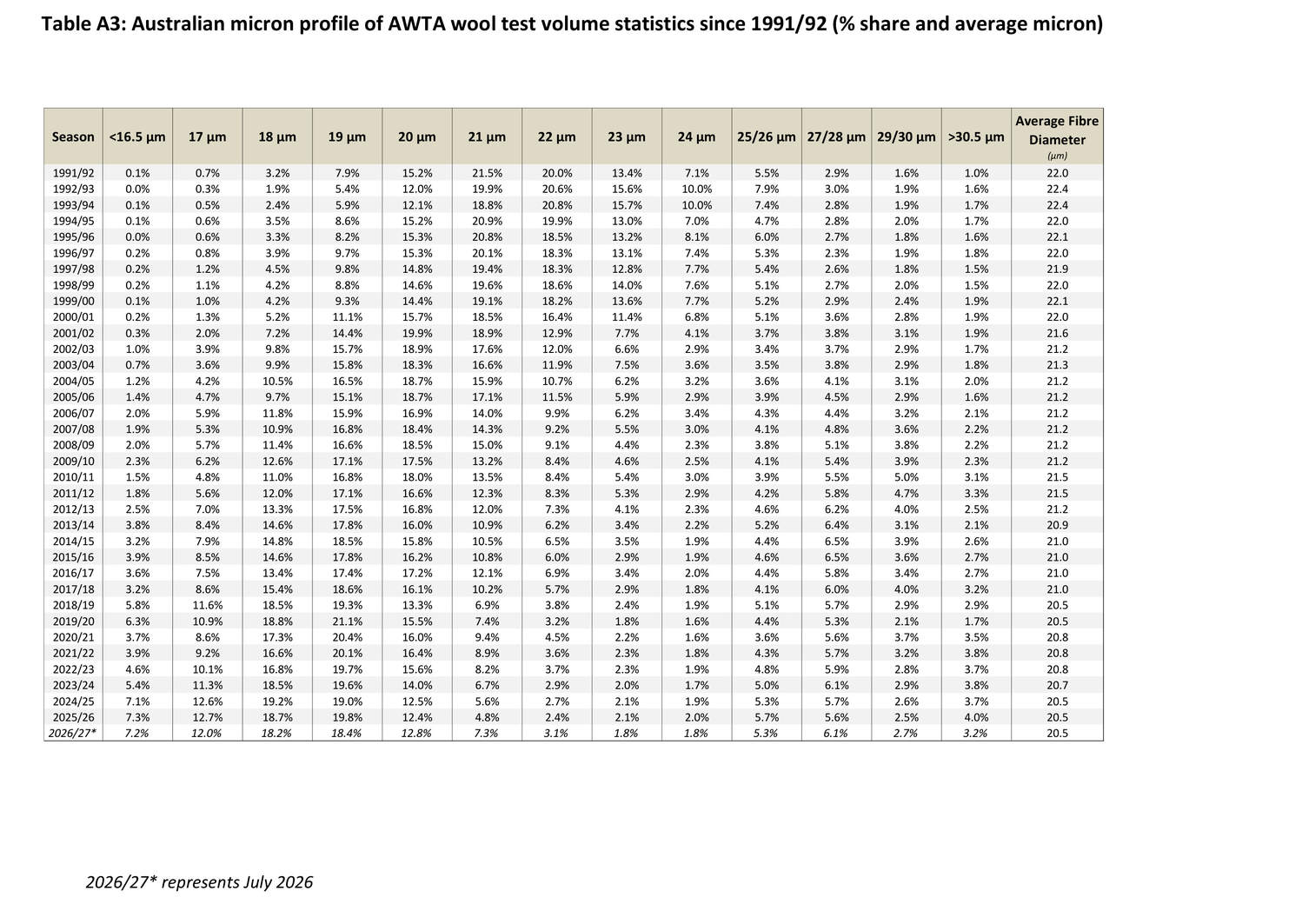
- The Appendix also provides historical data for Australia, including sheep shorn numbers, average cut per head and shorn wool production (Table A2) as well as the micron profile (Table A3) since 1991/92.
Detail on shorn wool production in 2025/26 and the 2026/27 forecast
Major data inputs
The AWPFC forecasts are based on detailed consideration by the state and national committees of data from various sources including:
- AWTA wool test data for the 2025/26 season and 2026/27 to July 2026;
- AWEX first-hand auction statistics for the 2025/26 season and 2026/27 to July 2026 (Week 4);
- ABS sheep and lamb turn-off for the 2025/26 season;
- Information on current and expected seasonal conditions from the Bureau of Meteorology;
- Survey information from the MLA/AWI Sheep Producers Intentions Survey conducted in May 2026.
AWTA wool test data
Every month AWTA releases data on the volumes of greasy wool tested within the various diameter categories for the month and the season to date. Data for the 2025/26 season are compared with previous seasons (2021/22 to 2024/25) in this report.
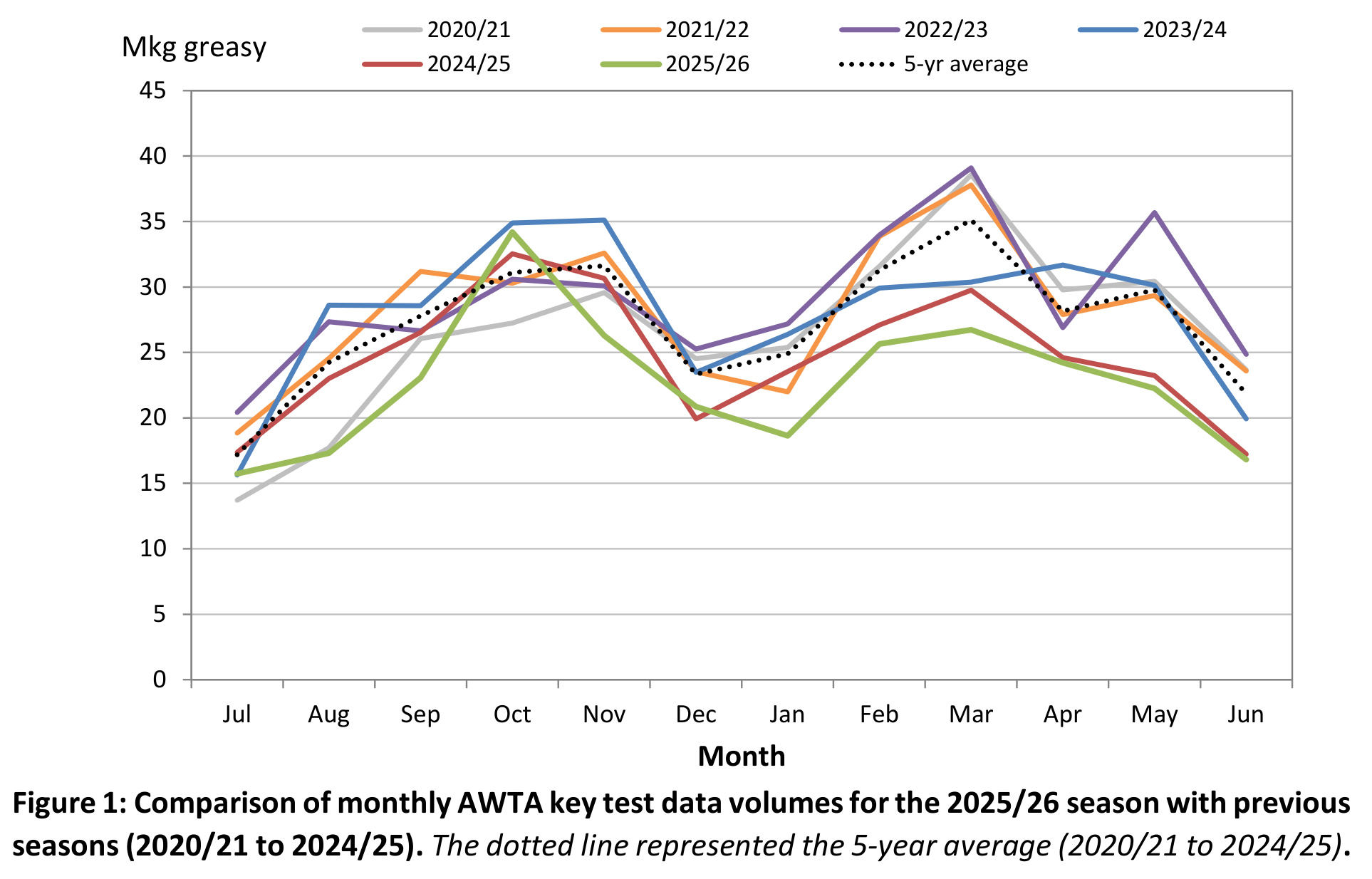
The month-by-month comparison of wool tested during the 2025/26 season show test volumes were below the previous 5 seasons in August, September and November 2025 and from January to June 2026. October 2025 test volumes were second only to October 2023 with 2024 and 2025 December test volumes very similar. Test volumes in April, May and June 2026 were very similar to those same months in 2025 (Figure 1).
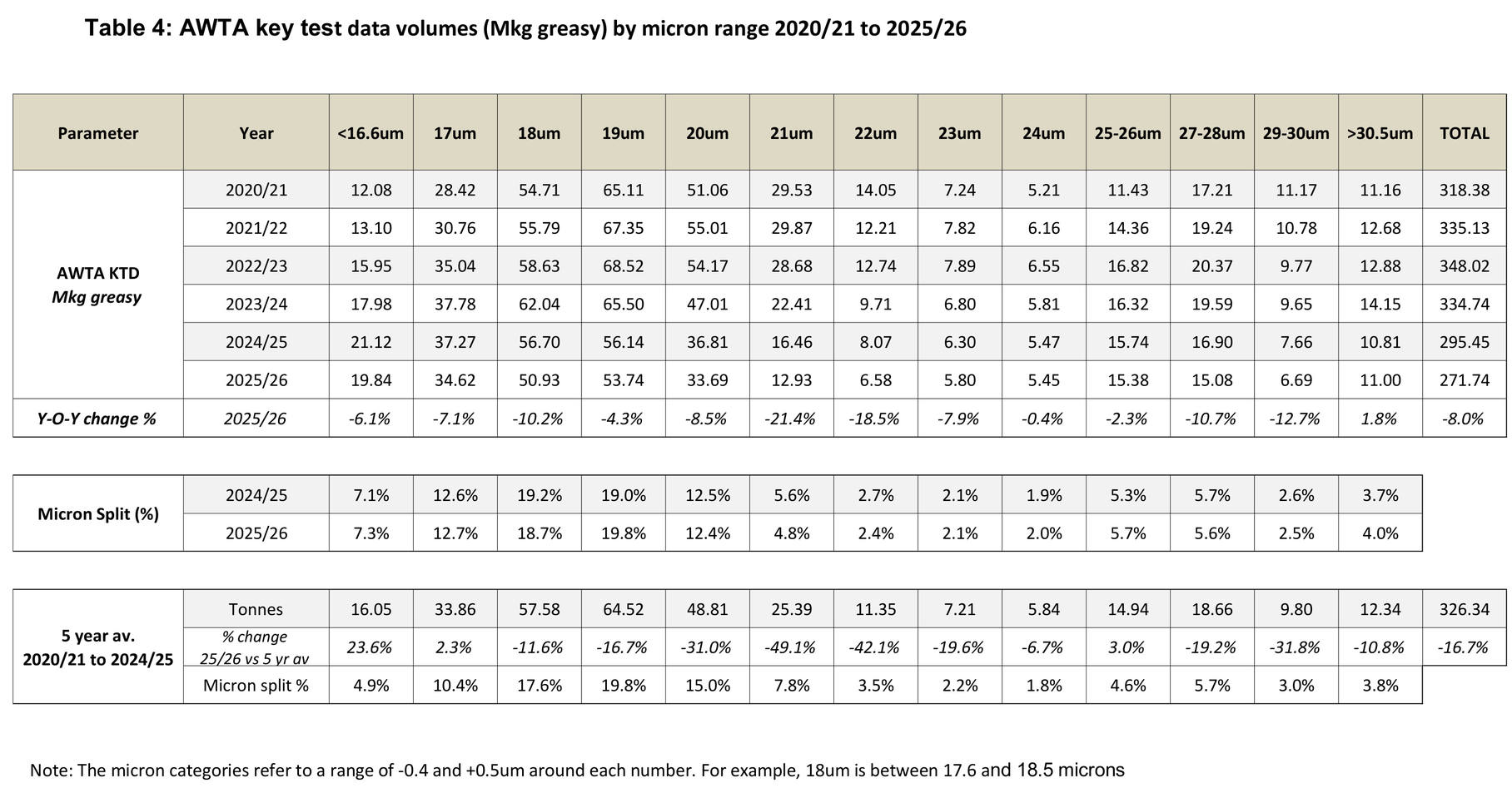
AWTA national wool test volumes data for the 2025/26 season (Table 4) show:
- Volumes of wool tested were 8.0% lower than the 2024/25 season at 271.74 Mkg greasy. This was 16.7% lower than the five-year average from 2020/21 to 2024/25.
- The weight of wool tested in all micron categories, decreased by between 0.4% (24 microns) and 21.4% (21 microns) compared with 2024/25.
- The largest micron categories by volume were the 19-micron (53.7 Mkg greasy), 18-micron (50.9 Mkg greasy) and 17-micron (34.6 Mkg greasy) categories.
- The micron split (% of total weight of wool tested) during 2025/26 across the fibre diameter range was consistent with the 2024/25 season.
The micron profile of the Australian wool clip continues to have two distinct peaks. One centred around 18- to 19-micron wool (finer than 16.6 microns up to 23 microns) and a second centred around 26 - 28 microns (from 24 microns to 30.5 microns and broader) (Figure 2).
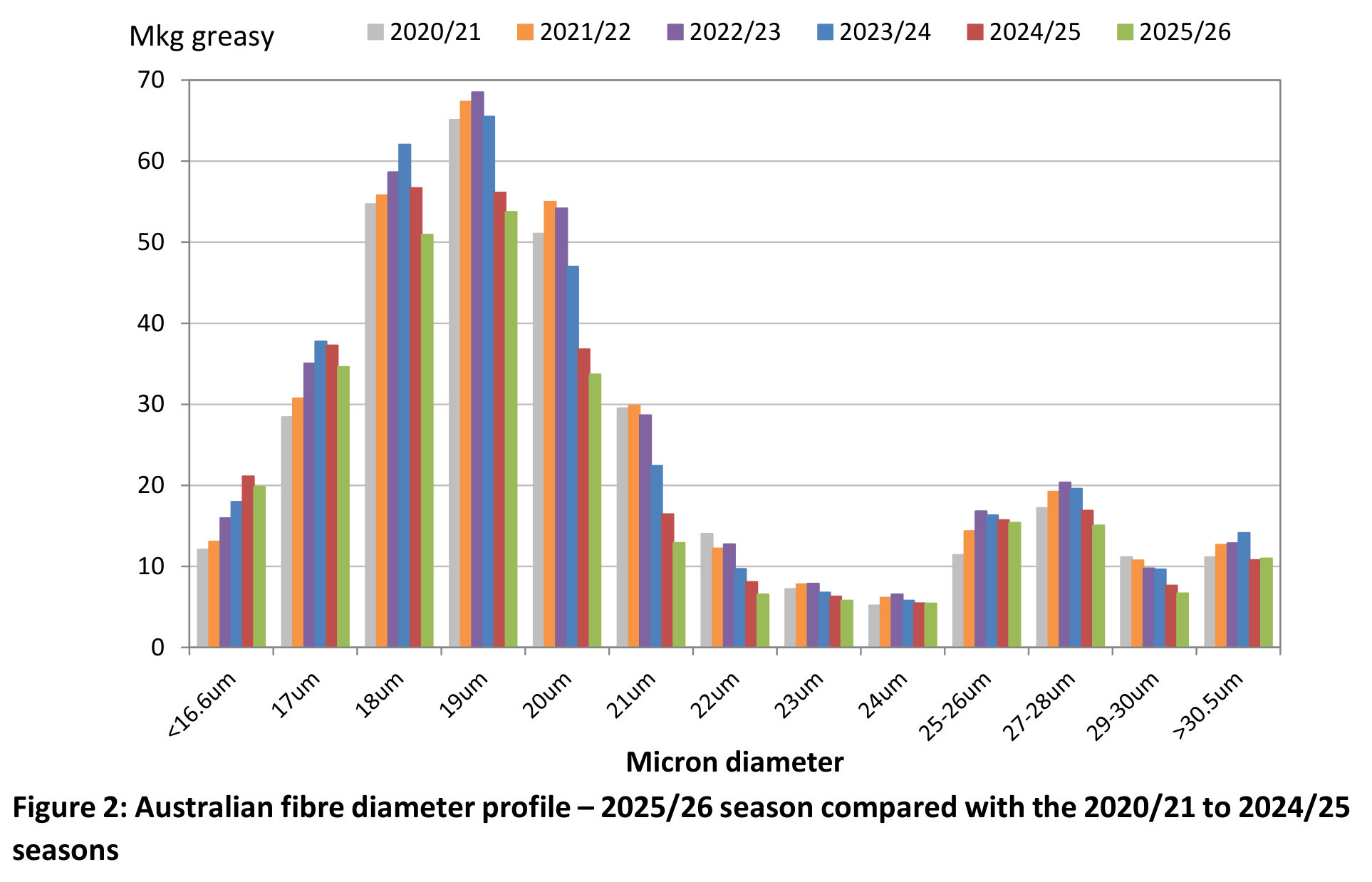
Figure 2: Australian fibre diameter profile – 2025/26 season compared with the 2020/21 to 2024/25 seasons
A historical comparison of the Australian wool clip’s micron profile percentage share and average micron can be found in Appendix Table A3 (at the end of this report).
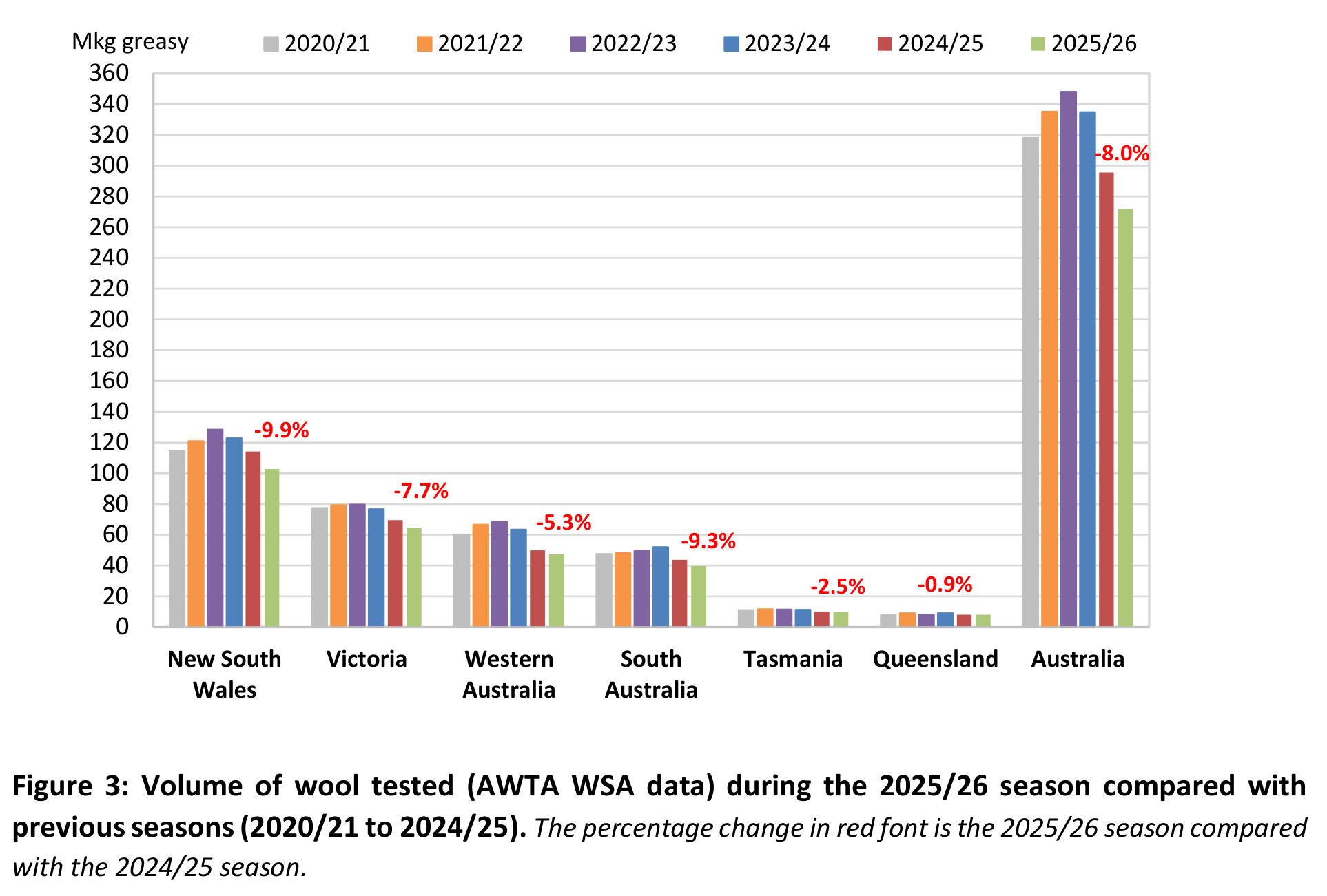
Based on data by Wool Statistical Area (WSA), the volumes of wool tested during 2025/26 decreased in all states (Figure 3). New South Wales had the greatest decrease in the volume of wool tested (down 9.9%), followed by South Australia (down 9.3%), Victoria (down 7.7%), Western Australia (down 5.3%), Tasmania (down 2.5%) and Queensland (down 0.9%).
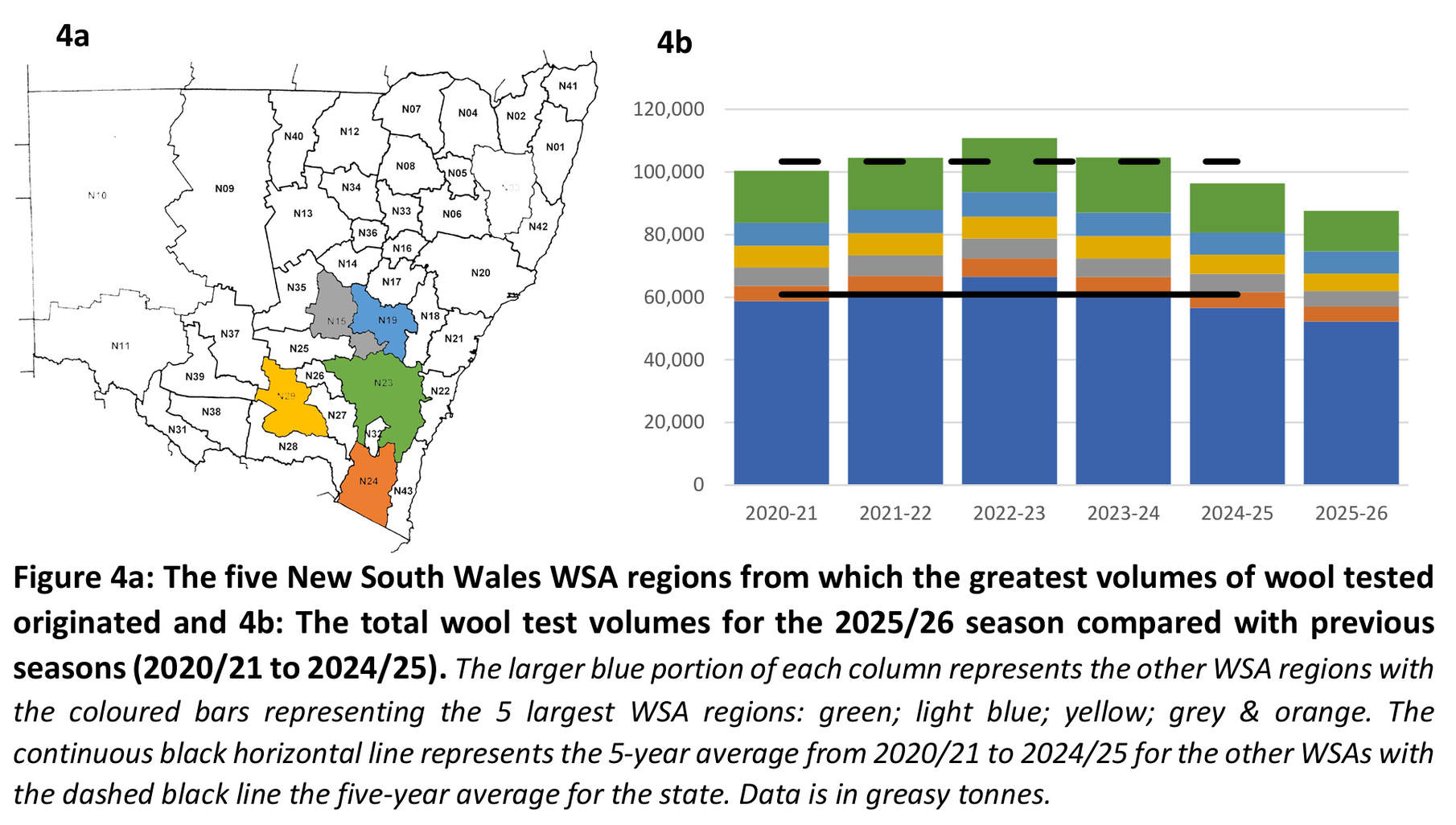
In New South Wales, the greatest volumes of wool tested originated from WSA regions N23 (14.7%), N19 (8.1%), N29 (6.3%), N15 (5.7%) and N24 (5.4%) (Figure 4a). Collectively, these five WSAs represented 40.4% of the total weight of wool tested in New South Wales during 2025/26 (Figure 4b).
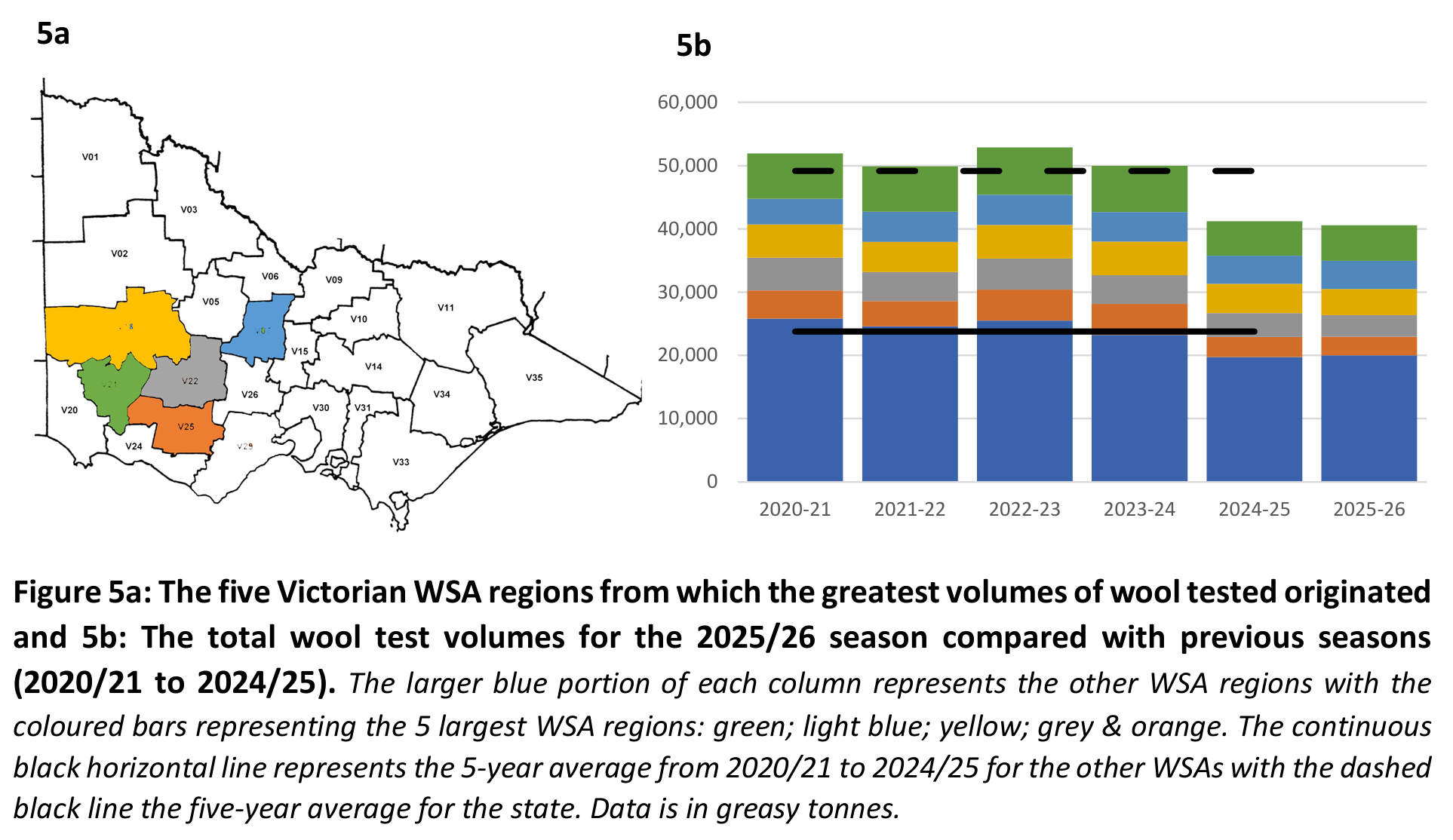
In Victoria, the greatest volumes of wool tested originated from WSA regions V21 (13.8%), V07 (11.0%), V18 (10.3%), V22 (8.4%) and V25 (7.2%) (Figure 5a). Collectively, these five WSAs represented 50.7% of the total weight of wool tested in Victoria during 2025/26 (Figure 5b).
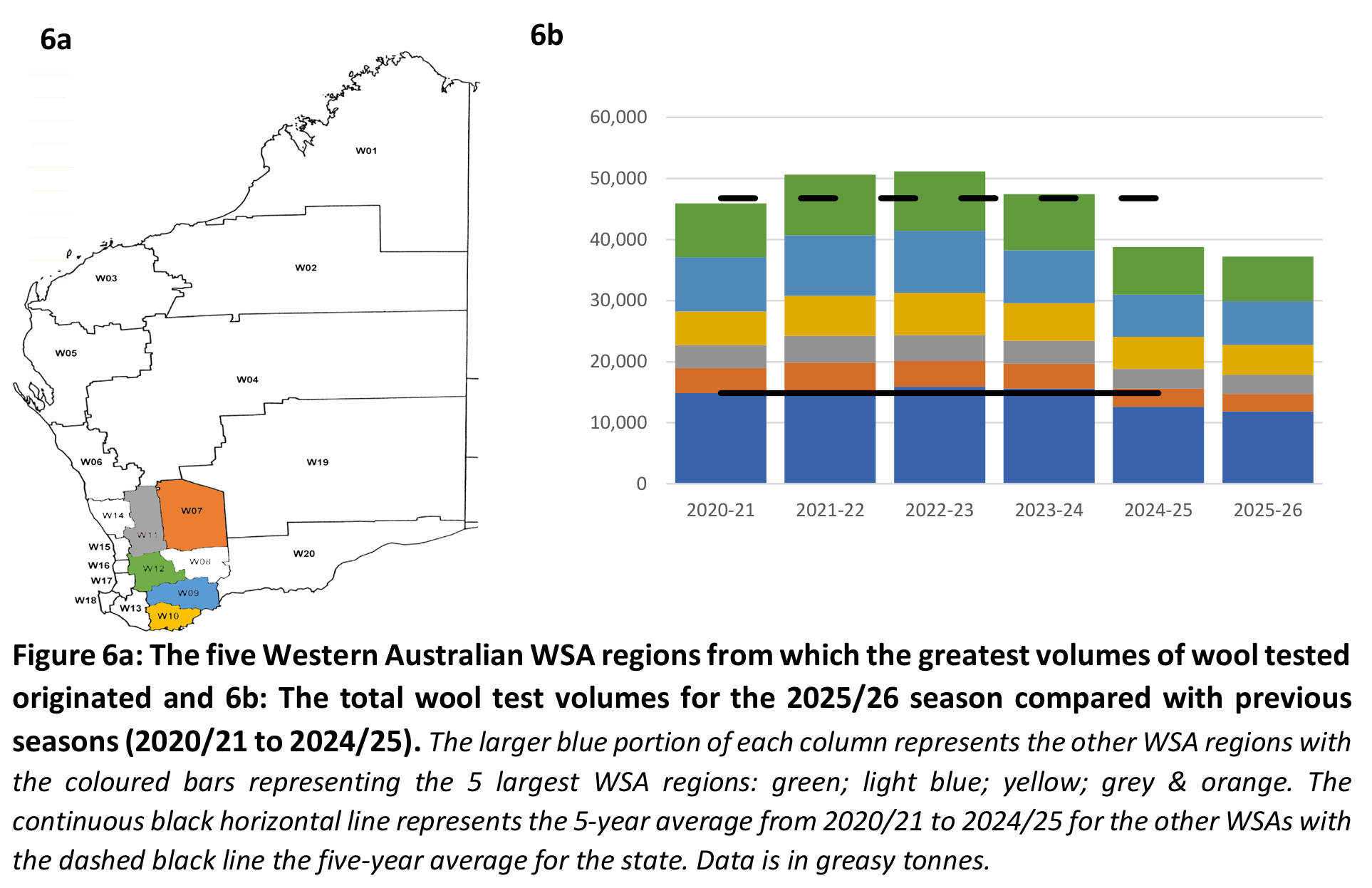
In Western Australia, the greatest volumes of wool tested originated from WSA regions W12 (19.6%), W09 (19.2%), W10 (13.2%), W11 (8.4%) and W07 (7.8%) (Figure 6a). Collectively, these five WSAs represented 68.2% of the total weight of wool tested in Western Australia during 2025/26 (Figure 6b).
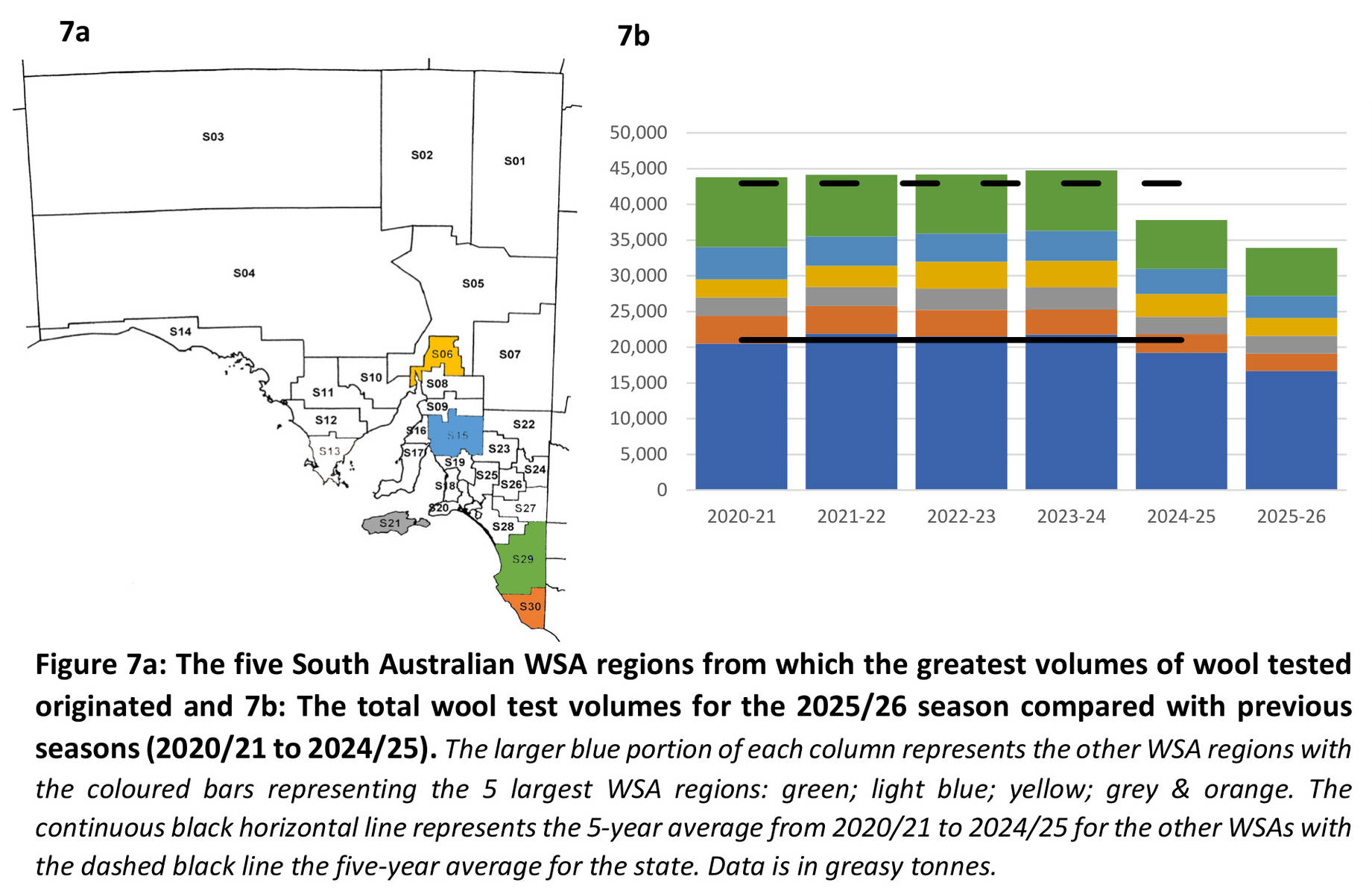
In South Australia, the greatest volumes of wool tested originated from WSA regions S29 (19.8%), S15 (9.1%), S06 (7.4%), S21 (7.4%) and S30 (7.2%) (Figure 7a). Collectively, these five WSAs represented 50.8% of the total weight of wool tested in South Australia during 2025/26 (Figure 7b).
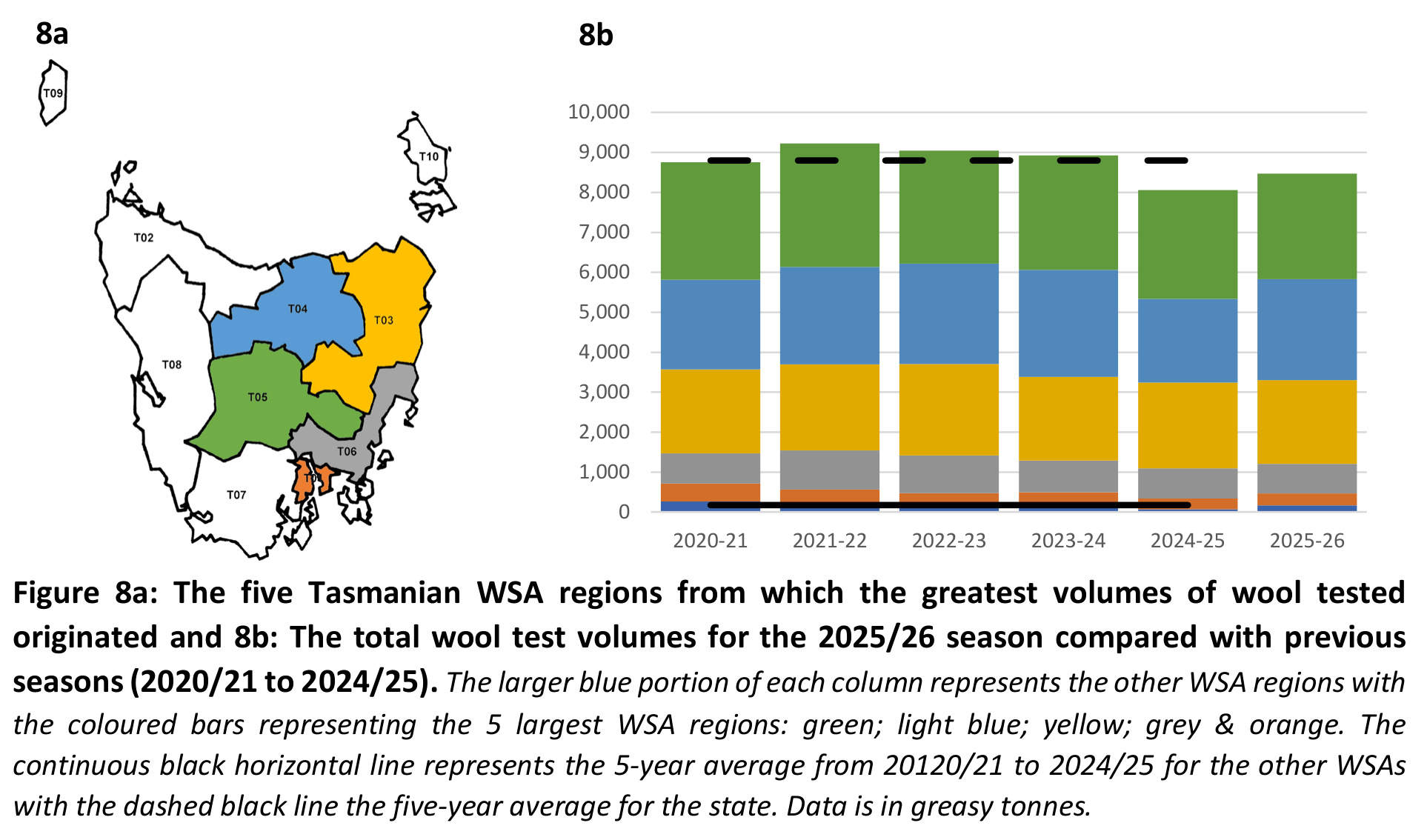
In Tasmania, the greatest volumes of wool tested originated from WSA regions T05 (31.2%), T04 (29.9%), T03 (24.7%), T06 (8.8%) and T01 (3.5%) (Figure 8a). Collectively, these five WSAs represented 98.1% of the total weight of wool tested in Tasmania during 2025/26 (Figure 8b).
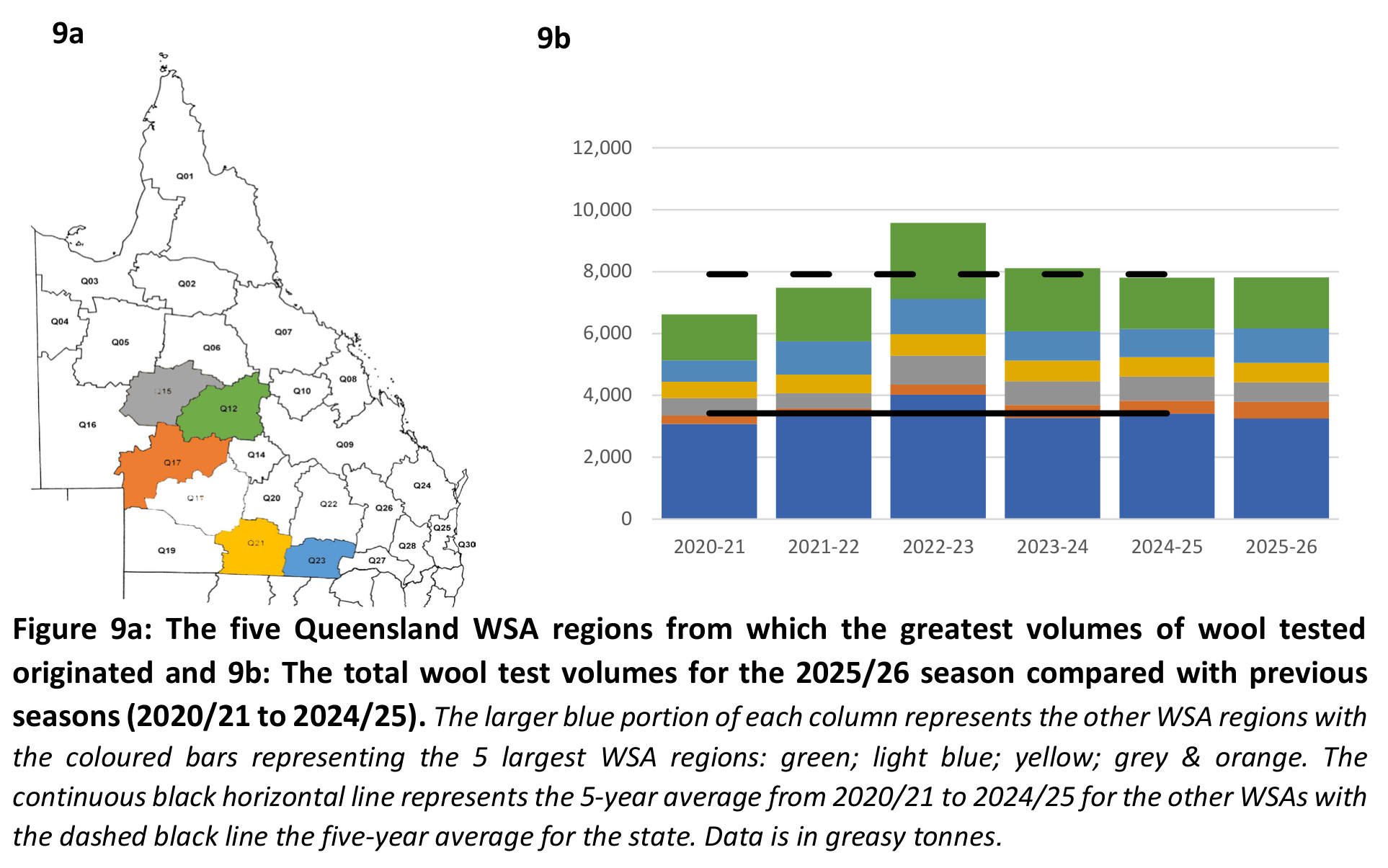
In Queensland, the greatest volumes of wool tested originated from WSA regions Q12 (21.1%), Q23 (14.3%), Q21 (8.0%), Q15 (8.0%) and Q17 (6.9%) (Figure 9a). Collectively, these five WSAs represented 58.4% of the total weight of wool tested in Queensland during 2025/26 (Figure 9b).
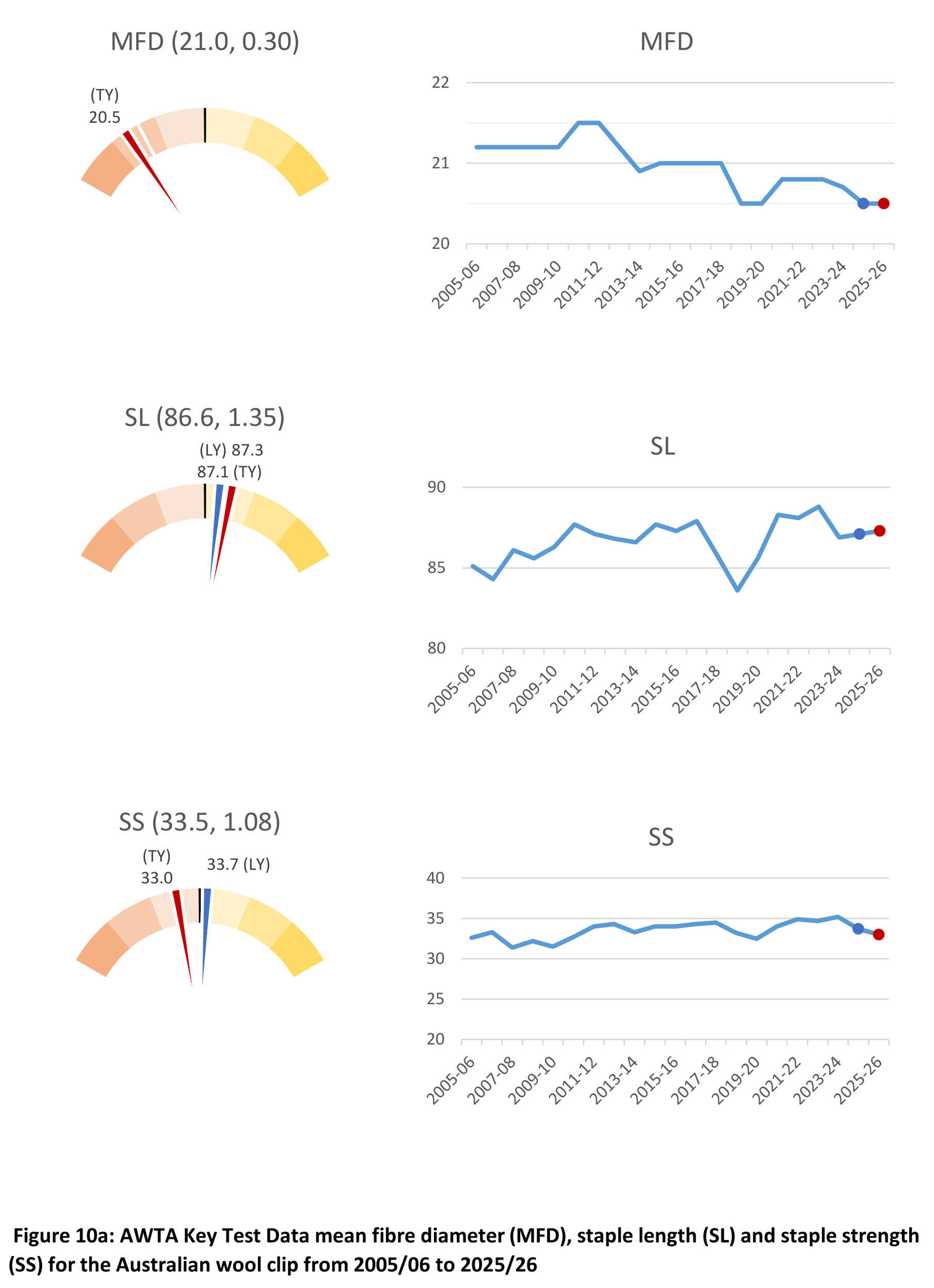
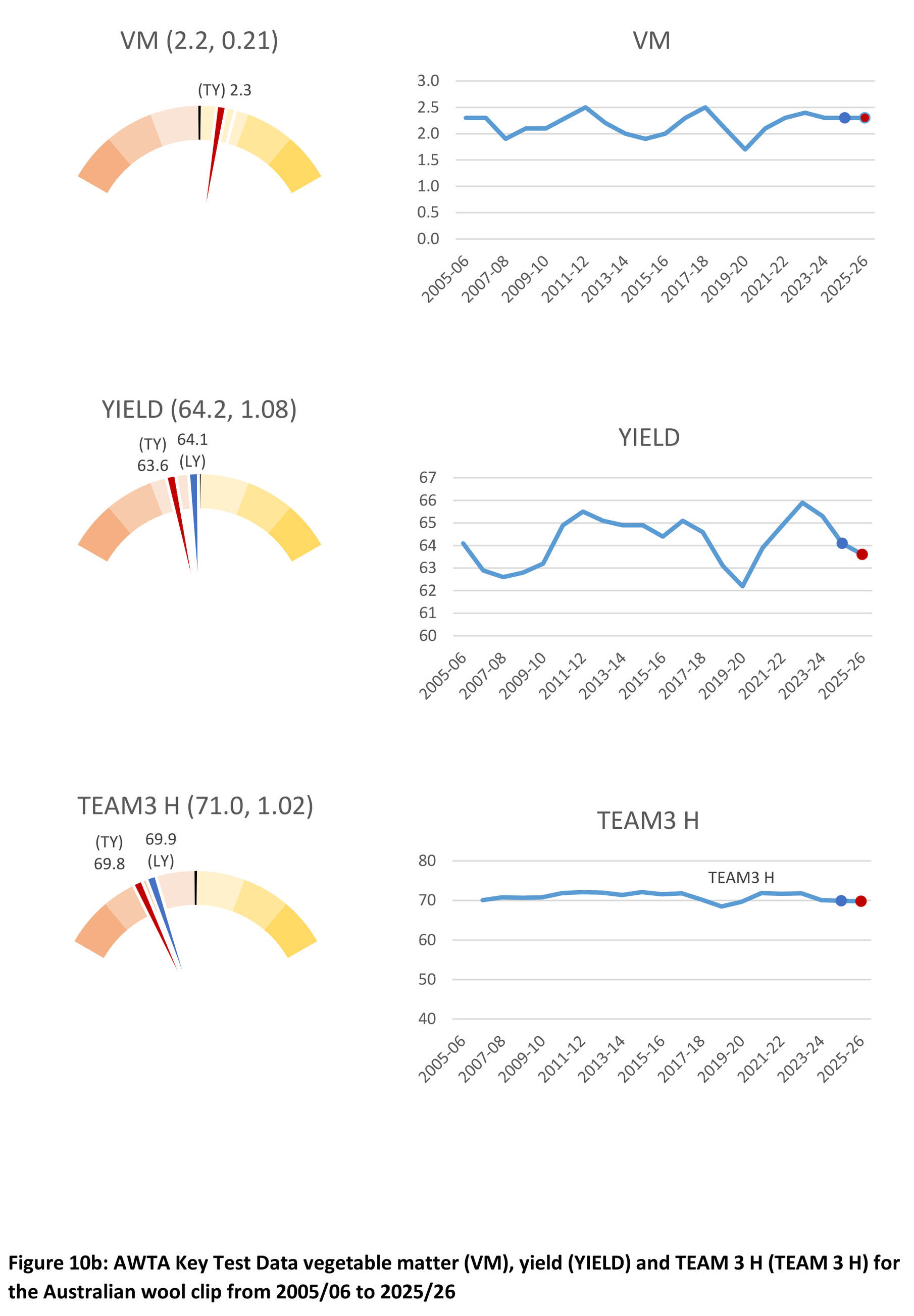
A graphical representation of the AWTA Key Test Data changes in mean fibre diameter (MFD), vegetable matter (VM), staple length (SL), yield (YIELD), staple strength (SS) and hauteur (TEAM 3 H) from the 2005/06 to the 2025/26 season is shown in Figure 10. On each graph the red dot represents the mean value of each characteristic for the 2025/26 season while the blue dot represents the mean for the 2024/25 season. The values above the gauge on the left-hand side of each graph show the mean and standard deviation respectively for that characteristic from 2005/06 to 2025/26. Each coloured segment on the gauges represents one standard deviation with the mean at 12 o-clock (centre). For MFD, VM, SL, YIELD and SS, the mean and standard deviation are based on data from the 2005/06 season onwards. For TEAM 3 the mean and standard deviation are based on data from the 2006/07 season onwards. The red line on each gauge is the mean for the 2025/26 season (TY), while the blue line is the mean for the 2024/25 season (LY).
- On a national basis, compared with the 2024/25 season, mean fibre diameter was unchanged at 20.5 microns, staple length was up 0.2 mm to 87.3 mm and staple strength was down 0.7 N/ktex to 33.0 N/ktex (Figure 10a).
- Vegetable matter was unchanged at 2.3%, yield was down 0.5% to 63.6% and predicted hauteur (TEAM 3) was down 0.1 mm to 69.8 mm (Figure 10b).
AWEX auction statistics
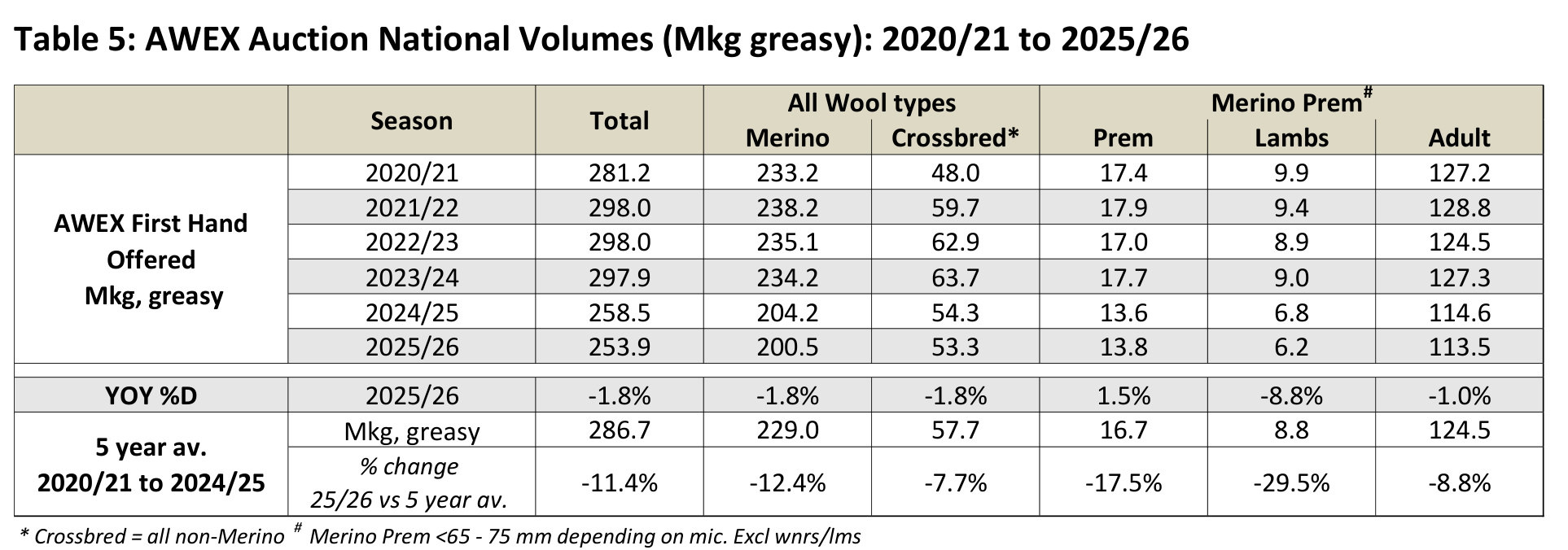
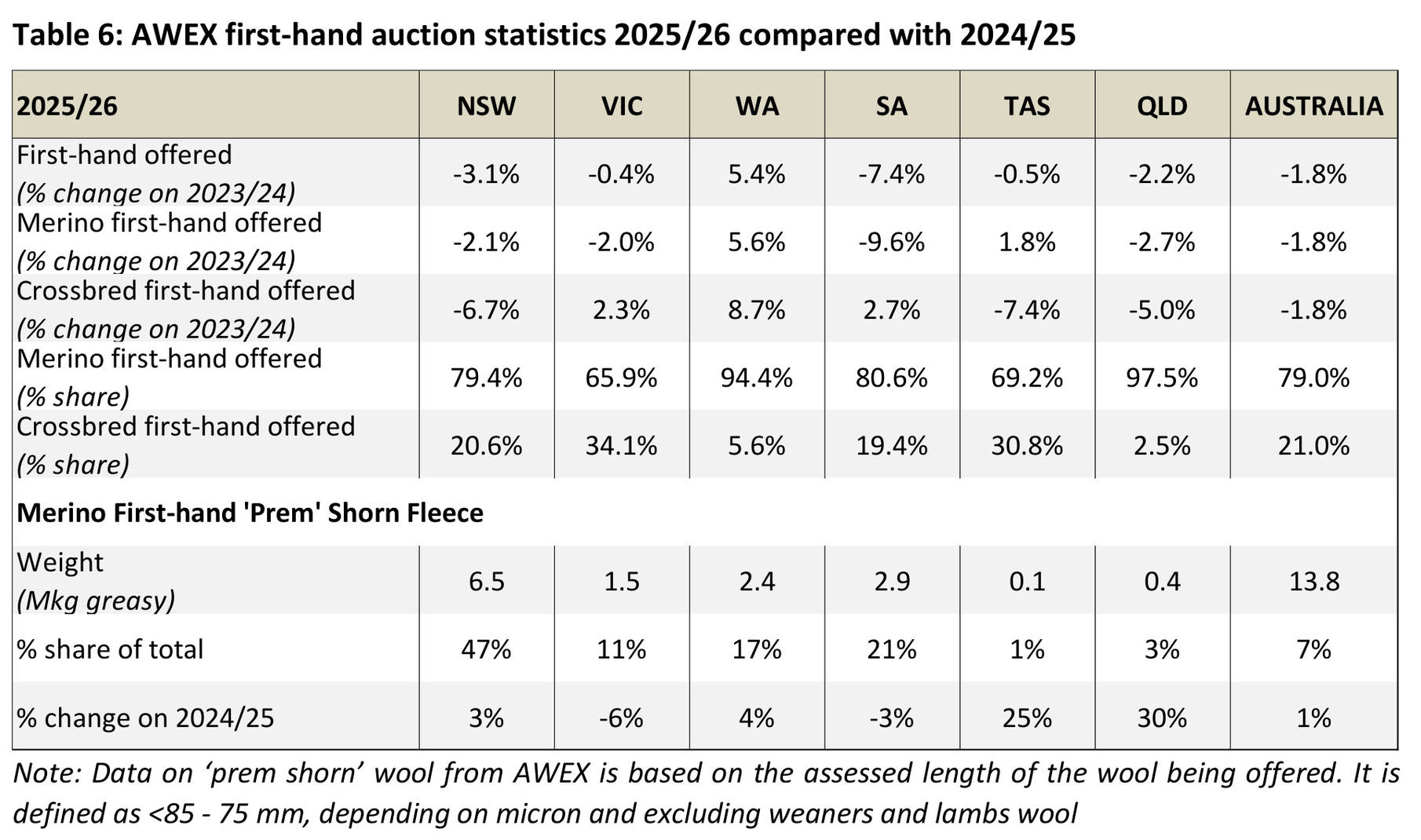
The volume of AWEX first-hand auction lots offered for the 2025/26 season was 253.9 Mkg greasy. This was 1.8% lower than the 2024/25 season (Table 5).
- First-hand bales offered decreased in all states, except Western Australia which increased by 5.4%. South Australia had the greatest decrease (down 7.4%), followed by New South Wales (down 3.1%), Queensland (down 2.2%), Tasmania (down 0.5%) and Victoria (down 0.4%) (Table 6).
- The volume of first-hand Merino wool offered across Australia during 2025/26 decreased by 1.8% compared with 2024/25 with the volume of first-hand Crossbred wool offered down 1.8%. The share of Merino wool of all first-hand offered wool was 79.0% in both 2025/26 and 2024/25, compared with 78.6% in 2023/24.
- There was a 1% increase in the volume of ‘Prem-shorn’ Merino fleece wool in 2025/26 (13.8 Mkg greasy) compared with 2024/25 (13.6 Mkg greasy).
- As a percentage share of the total first-hand wool offered, 7% of Australian first-hand bales offered were prem shorn in 2025/26. On a state-by-state basis this ranged from 1% in Tasmania to 47% in New South Wales.
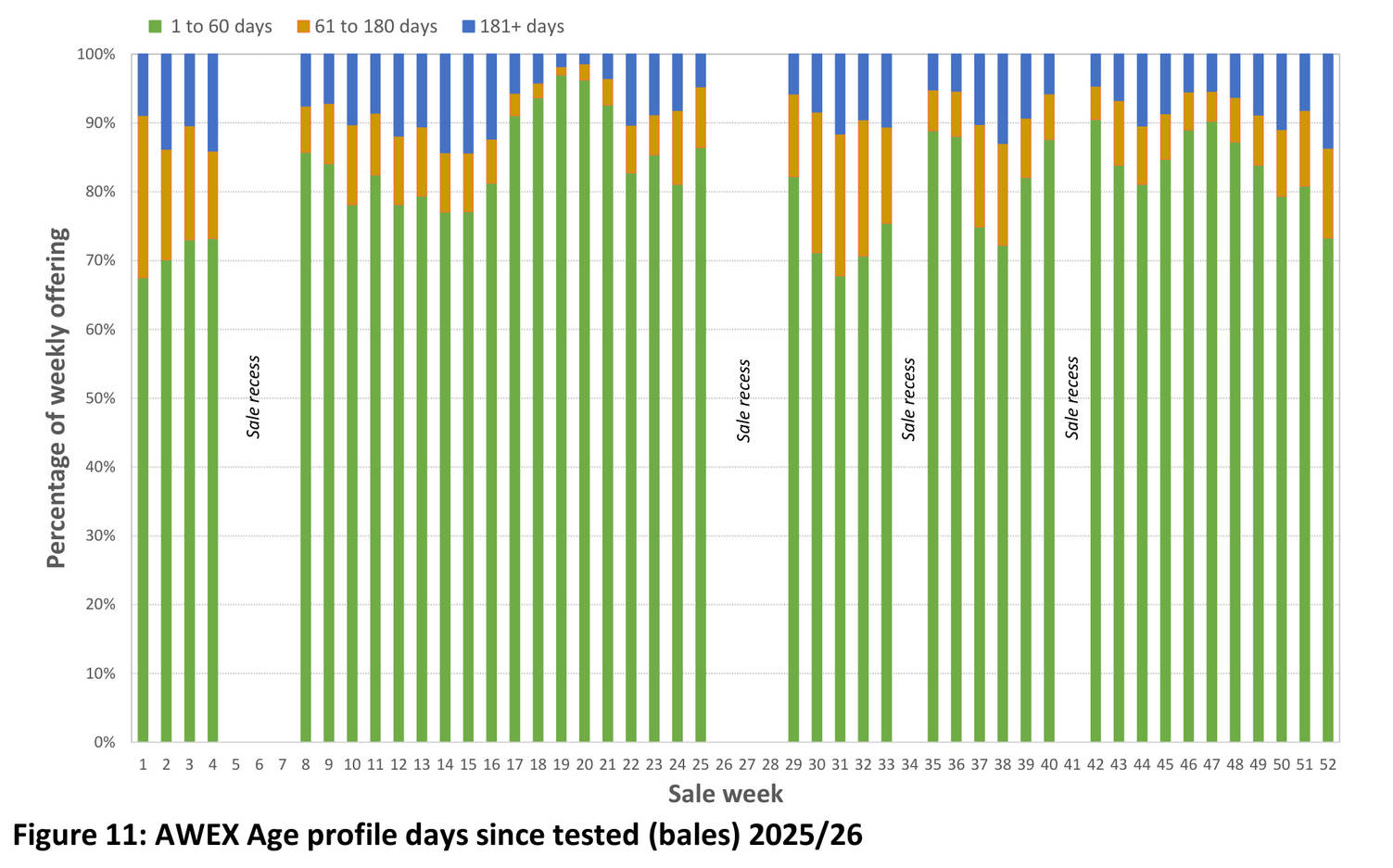
AWEX auction volumes during 2025/26 have included wool shorn in previous seasons. Some catalogues have contained more than 30% older bales that were sold within 61 -180 days since testing and more than 181 days since they were tested (Figure 11).
Australian Bureau of Statistics (ABS) data
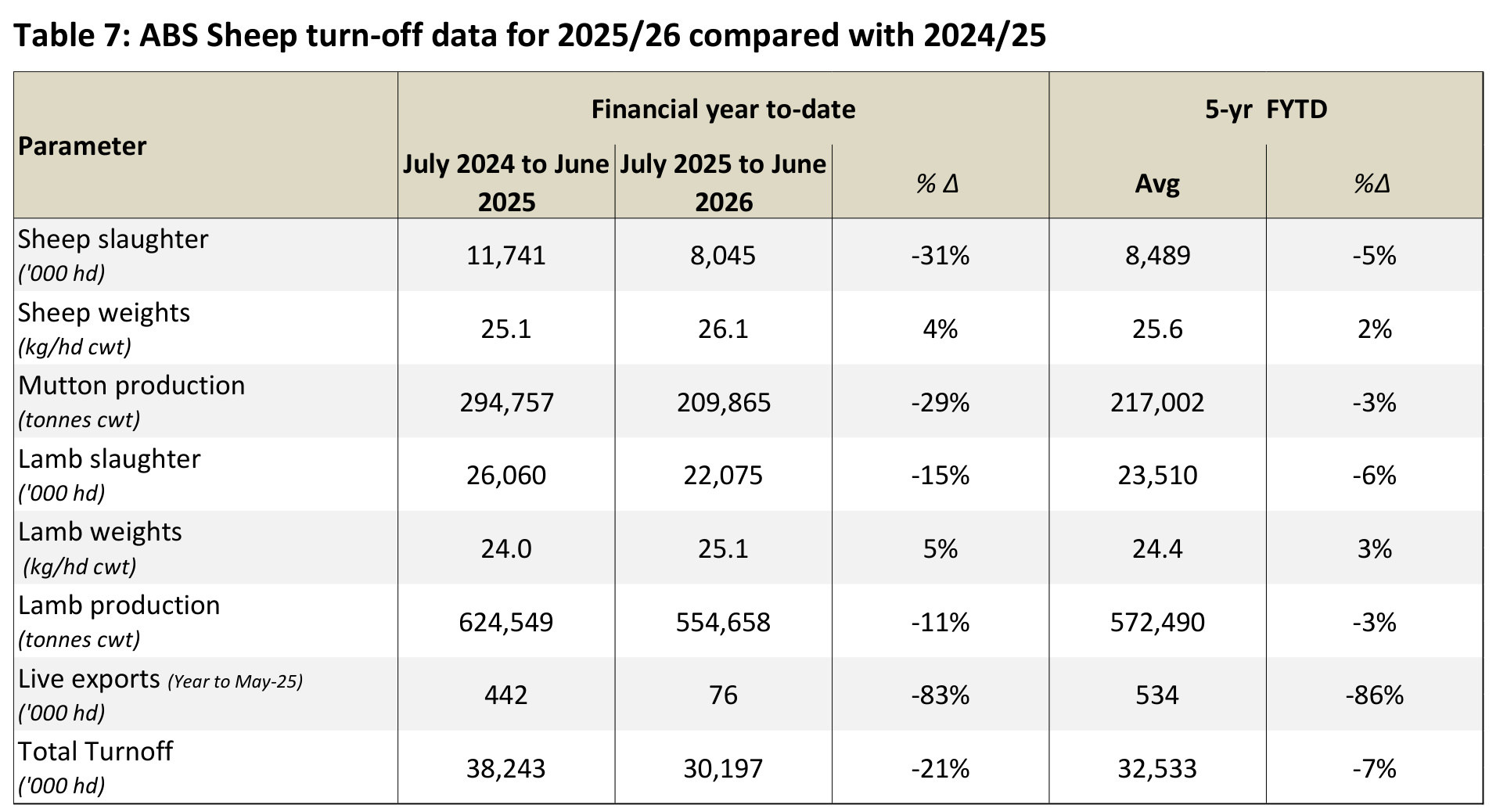
Australian sheep and lamb turn-off statistics during 2025/26 are shown in Table 7:
- There was a 31% decrease in sheep slaughter, and a 15% decrease in lamb slaughter during 2025/26 compared with 2024/25.
- Sheep slaughter was 5% below the five-year average with lamb slaughter 6% lower than the five-year average.
- Total turnoff of sheep and lambs for 2025/26 was 21 lower than 2024/25 and 7% below the five-year average.
Bureau of Meteorology (BoM) seasonal rainfall seasonal outlook
Rainfall deciles during 2025/26 were generally average to very much above average across Western Australia’s key wool producing regions, although areas of the Lower Great Southern, Upper Great Southern and South Coast regions (W08, W09 and W12) recorded below average rainfall. Most of South Australia experienced very much above average rainfall deciles, with above average to very much above average rainfall extending into past of western and north-western Victoria (Figure 12).
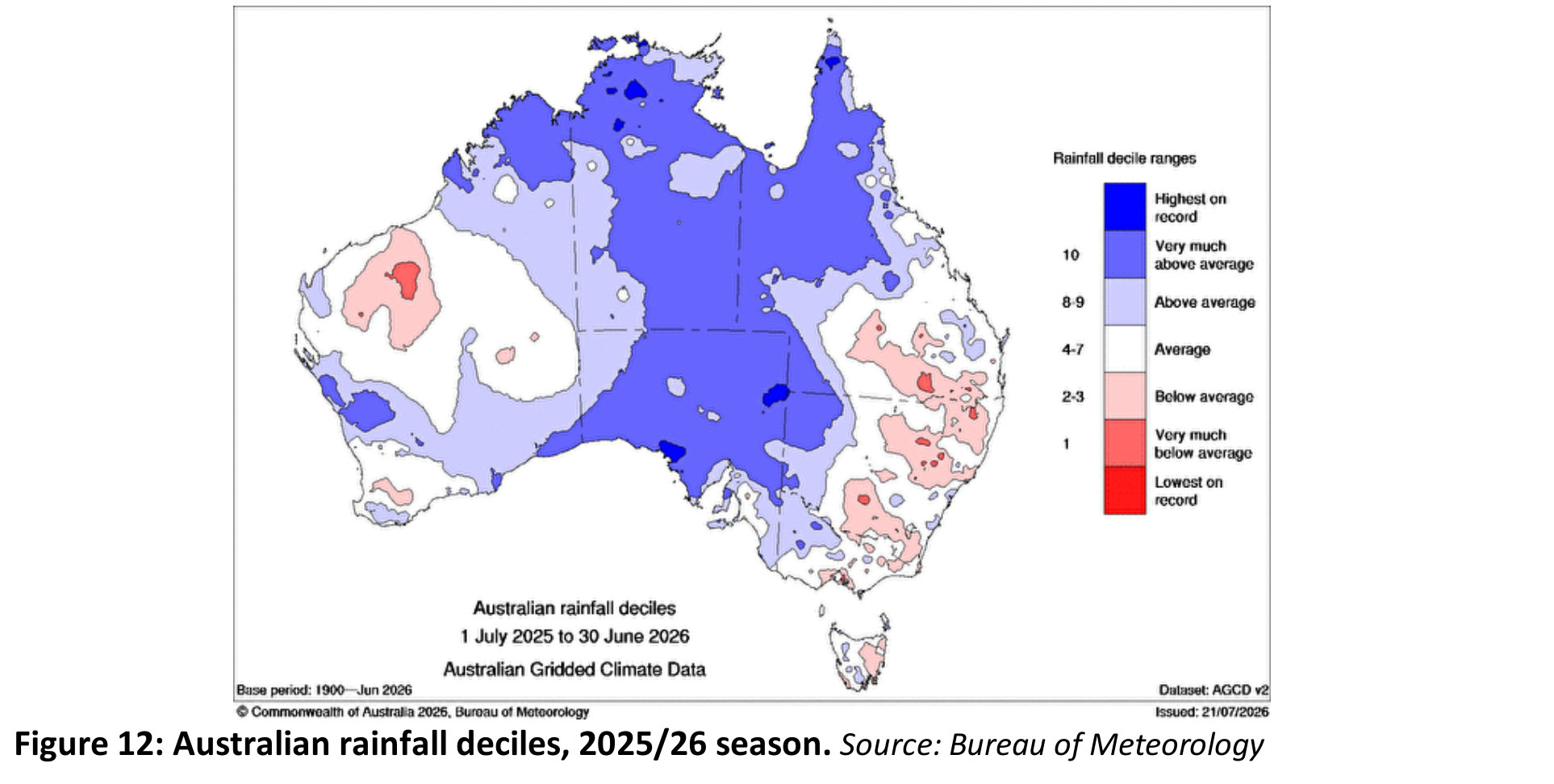
Across the remaining key wool-producing regions of eastern Australia, rainfall deciles were more variable, ranging from very much below average to average. Pockets of below average to very much below average rainfall were evident across parts of New South Wales, Victoria, Tasmania and south-eastern Queensland, while isolated areas received above average rainfall.
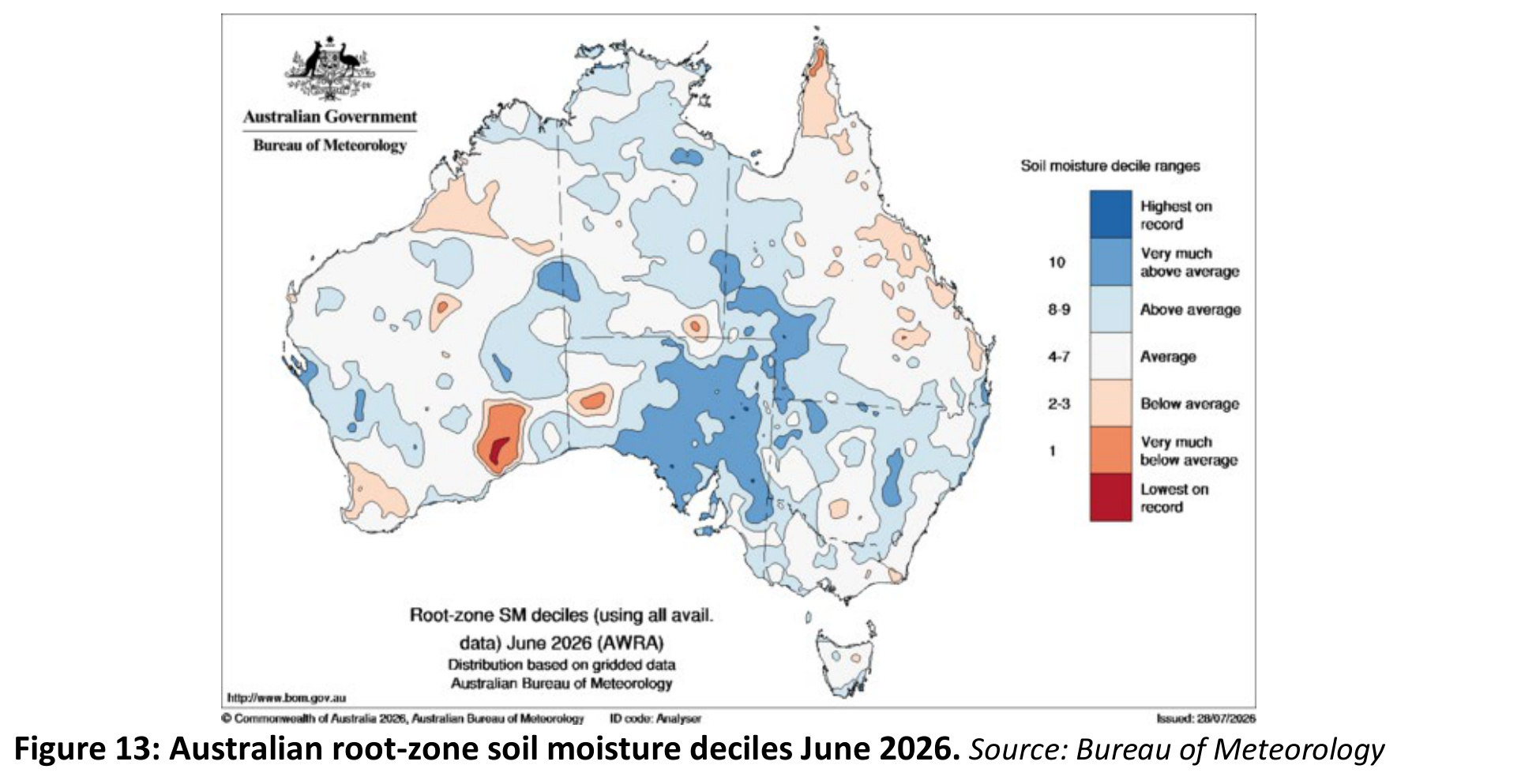
The root-zone soil moisture deciles for June 2026 broadly reflected the rainfall patterns observed during 2025/26, with higher soil moisture deciles across much of Western Australia and South Australia, with wetter conditions reflect the seasonal conditions and rainfall between July and March (Figure 13).
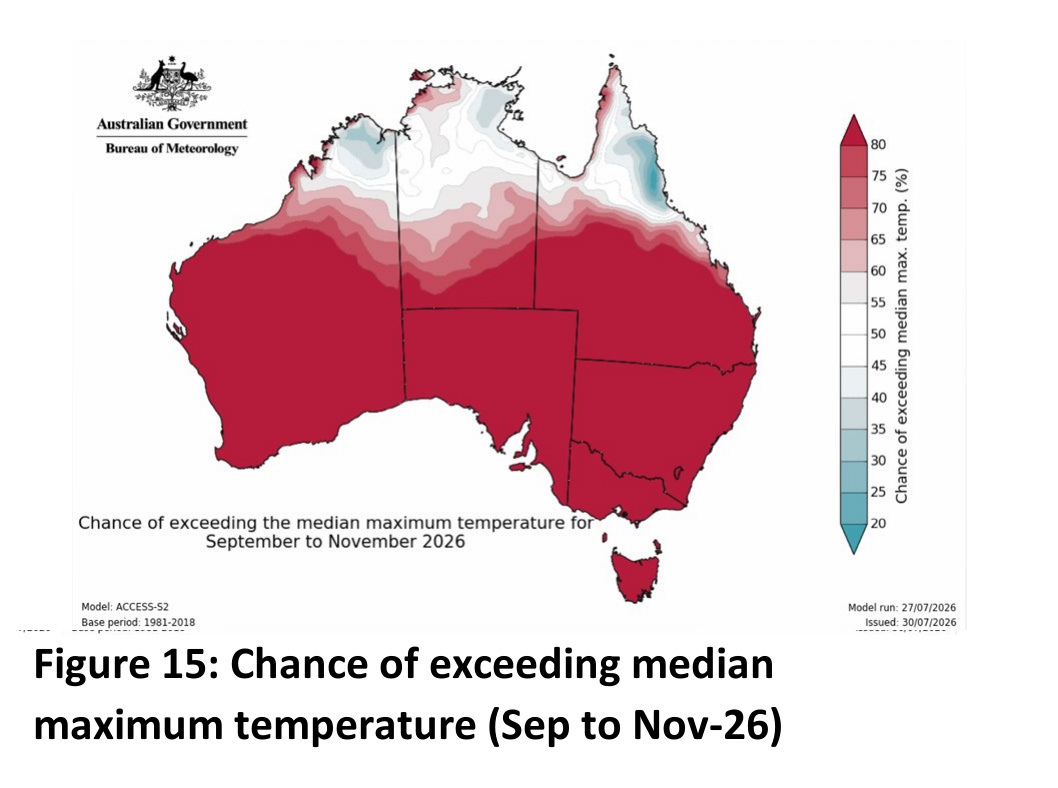
The Bureau of Meteorology’s rainfall outlook for September to November 2026 is for below average (60 to 80% chance) across south-west Western Australia, south-east South Australia, Victoria, Tasmania and parts of New South Wales and southern Queensland. In contrast, above average rainfall is likely across much of Western Australia, particularly the north-west. This outlook is broadly consistent with most international climate models (Figure 14). September to November maximum and minimum temperatures are likely to be above average (60% to greater than 80% chance) across most of Australia. The highest chances of unusually warm conditions are across much of Western Australia and south-eastern Australia. The temperature outlook is consistent with most international climate models. (Figure 15).
Results from the MLA and AWI Sheep producers intensions survey
The May 2026 Sheep Producer Intentions Survey found strong confidence in the sheepmeat sector across all states and production systems, with producers increasingly focused on retaining stock, rebuilding flocks and expanding breeding ewe numbers. Plans to increase breeding ewe numbers now outweigh intentions to reduce them, indicating a shift from drought management and risk reduction towards longer-term production growth.
Sentiment towards the wool industry also improved markedly compared with the previous year, underpinned by stronger wool prices and improved seasonal conditions. Despite this heightened optimism, producers continue to identify seasonal conditions as the key factor influencing business decisions, alongside feed availability, input costs and labour availability. Government policy, global economic conditions and geopolitical developments were also highlighted as emerging challenges that could affect future profitability and flock rebuilding efforts.
State Committee input
The following provides a summary of seasonal conditions and the wool production estimate for 2025/26 and forecast for 2026/27 as reported by the AWPFC state committees in August 2026.
New South Wales
2025/26 season. Bureau of Meteorology rainfall deciles were average to very much above average across western New South Wales, while eastern regions recorded average to below average conditions. Key wool-growing regions in the north-east (New England) and south-east (Monaro) experienced below average rainfall and root-zone soil moisture.
Seasonal conditions were highly variable across the state. Dry to drought conditions persisted in the north-east, while the north-west experienced a very favourable season. Central regions generally had average but patchy conditions with a good body of feed. Conditions were drier in the Monaro and variable through the Riverina. The Southern Tablelands recorded an excellent season, with a relatively mild winter supporting lamb survival and contributing to improved scanning and lambing percentages compared with last season. In mixed farming and cropping regions, late rainfall delayed sowing and reduced the area planted.
Sheep numbers in the New England declined sharply, with reports indicating reductions of 30 - 50% in both sheep numbers and wool production per head. Resistance to available chemicals for internal and external parasites remains an on-going challenge.
Producer sentiment improved during the second half of the season, although confidence in the wool market remains cautious. Producers generally have greater confidence in sheep meat prices; however lambs are expected to be sold rather than retained in drier regions. High cropping input prices have also led advisers and financiers to recommend reducing cropping area and increasing sheep numbers, resulting in a more cautious approach to cropping programs.
AWTA wool test volumes totalled 102.8 Mkg greasy and AWEX first-hand auction volumes reached 101.8 Mkg greasy in 2025/26 season. Auction volumes were inflated by the sale of previously untested wool that had been held on farm and sold following improved wool prices. The New South Wales Committee’s final estimate of shorn wool production for 2025/26 is 98.65 Mkg greasy, down 10.3% on 2024/25.
2026/27 season. Producers remain concerned about the seasonal outlook and are hoping for spring rainfall in the state’s drier regions. Conditions are particularly dry in the Monaro, where producers have begun reducing stock numbers, while stock water supplies are becoming limited north of Tamworth. Older sheep and young lambs have been sold, with reports of increased sheep trading from other drier regions. This trend is expected to continue if seasonal conditions so not improve, supported by strong mutton prices.
High restocker prices, combined with the uncertain seasonal outlook, are discouraging producers from rebuilding flock numbers. Supplementary feeding remains widespread in drier areas, although stable grain prices should help maintain stock feeding costs at levels similar to last season.
Sheep yardings have declined in major selling centres, largely reflecting producers retaining lambs to add weight where feed is available, rather than a decision to increase flock numbers. Continued strong skin values favour the sale of woolly Merino lambs rather than pre-sale shearing. Sheep condition is generally good following a mild winter, although high sheep prices and dry conditions are likely to encourage further sales if spring rainfall is below expectations.
The volume of on-farm stored wool coming to market has fallen significantly, with wool receivals now largely comprising current season production. Wool cuts appear to have stabilised despite lower sheep numbers. Shearing is running 2 to 4 weeks earlier in many regions due to improved contractor availability. While reports on wool cut per head are mixed, the state average is expected to be slightly higher. The New South Wales Committee’s second forecast of shorn wool production for 2026/27 is 95.47 Mkg greasy, down 3.2% on 2025/26.
Victoria
2025/26 season. Bureau of Meteorology rainfall deciles were above average across north-west Victoria and average across most of the remainder of the state, with East Gippsland the main exception. Root-zone soil moisture deciles broadly mirrored the rainfall pattern.
Autumn lambing percentages were reported to be well above last season, while scanning results for spring lambing were also very strong. However, some producers joined fewer ewes following the sale of older and younger breeding stock during the previous year's dry conditions to improve cash flow.
AWTA key test data (KTD) showed little year-on-year change. Mean fibre diameter (MFD) remained unchanged at 21.3 μm, staple length (SL) decreased 0.2 mm to 87.6 mm, staple strength (SS) declined 1.3 N/ktex to 32.9 N/ktex, vegetable matter (VM) increased 0.1% to 2.2%, and yield fell 0.8 percentage points to 63.4%. AWTA wool test volumes were 64.2 Mkg greasy and AWEX first-hand auction volumes were 52.8 Mkg greasy during 2025/26. The Victorian Committee’s final estimate of shorn wool production for 2025/26 is 55.94 Mkg greasy, down 6.0% on 2024/25.
2026/27 season. Widespread rainfall at the start of the season has produced favourable conditions across most of Victoria. The north-west has experienced one of its best wool-growing seasons in many years, supported by consistent rainfall over the past 12 months. Feed availability is generally abundant, positioning the state well for spring production, while a warmer-than-average winter has supported pasture growth. Some concerns remain regarding stock water supplies in the south-west because of limited runoff into dams, and producers may increase stock sales if forecast dry spring conditions eventuate.
Shearing is underway and wool cuts are expected to be higher than last season. AWTA’s July KTD results show a significant year-on-year increase in staple length, up 3.8 mm to 89.9mm. Mean fibre diameter also increased, up 0.7 µm to 21.3 µm, suggesting a greater proportion of crossbred wool in the clip at this stage of the season.
Producer sentiment remains positive, supported by favourable seasonal conditions and strong sheepmeat prices. However, confidence in the wool market remains more cautious, particularly given rising production costs. Low sheep numbers are expected to constrain both short-term wool production and the pace of flock rebuilding. High prices for restocker ewes remain a barrier to rapid expansion, with sheep numbers more likely to recover through on-farm breeding. The limited number of one-year-old sheep in the state following strong lamb turn-off last season may also restrict future breeding ewe numbers.
High mutton prices are expected to continue encouraging the sale of older sheep, particularly if enterprises face financial pressure. There is also increasing producer interest in containment feeding systems to improve management flexibility and facilitate earlier turn-off of wether lambs.
The mild winter, combined with a forecast drier spring, may increase worm burdens and the need for more frequent drenching. July wool test and auction volumes may have been elevated by producers marketing fresh wool before the mid-year sale recess. The Victorian Committee’s second forecast of shorn wool production for 2026/27 is 51.48 Mkg greasy, down 8.0% on 2025/26.
Western Australia
2025/26 season. Bureau of Meteorology rainfall deciles were generally average across the main wool producing regions (W07, W09, W10, W11 and W12), with below average to average root-zone soil moisture decile ranges. The northern agricultural region received above average rainfall (deciles 8 - 9), although pasture growth remained below average due to the timing of rainfall events.
Wool cuts were below average in the northern agricultural region but generally average across the state's key wool-producing areas.
Seasonal conditions supported strong reproductive performance. Ewes were in good condition at joining, resulting in excellent scanning rates across many regions. Good feed availability during lambing contributed to strong marking percentages in the northern agricultural region, while southern regions recorded excellent lambing and marking rates, exceeding 100% despite higher numbers of multiple births. Marking rates were reported to be the highest in several years. Lamb tag sales, monitored through the DPIRD WA tag rebate scheme, totalled 4.35 million orange lamb tags between January and June 2026, up 10% on the same period in 2025. Growing lambs to saleable weights may remain challenging in some regions.
While sheep producer numbers continue to decline in the northern agricultural region, sentiment among remaining producers has improved. The Western Australian Committee’s first forecast of shorn wool production for 2025/26 is 43.04 Mkg greasy, down 4.2% on 2024/25.
2026/27 season. Conditions are generally favourable heading into the new season, with above average feed availability across most key wool-producing regions. However, some areas east of Albany remain dry, and repeated frosts may affect future lupin supplies for stock feed.
Producer confidence is high, with sheep numbers largely holding steady and many producers seeking to rebuild flocks. Ewe hoggets that were not joined in previous years are increasingly being joined, while mating of ewe lambs is becoming more common to boost lamb numbers. Sheep turn-off has declined and ewe hogget prices remain strong, exceeding $260 per head compared with around $225 last year. Sheep retained within the industry are predominantly moving into breeding enterprises rather than being sold to slaughter, and mutton supplies are expected to remain tight.
High cropping input costs continue to improve the relative attractiveness of sheep production for producers who have maintained livestock infrastructure. As a result, the WA flock appears more stable than it has been in recent years.
Forward wool contract prices remain below current spot market levels, reflecting the recent rapid rise in wool prices. Producers report that price consistency will be critical to maintaining confidence. Input costs remain elevated, including rates, insurance and wool packs. For some producers, sheep meat prices are a stronger driver of enterprise profitability than wool prices.
The revised WA production forecast equates to approximately 235,000 bales. Around 240,000 bales were offered through auction in 2025/26, although this total included some previously stored on-farm wool that was subsequently marketed.
Average wool cuts are expected in the northern agricultural regions in the 2026/27 following favourable seasonal conditions in 2025/26. Above average wool cuts expected in southern regions of the state.
Despite the positive outlook, there is concern about spring conditions. The Bureau of Meteorology outlook indicates average to below average rainfall and above average temperatures from September to November. Stock water availability is likely to become a growing issue for producers reliant on dams, and rainfall over the next four to six weeks will be critical. Decisions on summer stocking rates are expected to be made over the next two months. If seasonal conditions deteriorate, lamb turn-off may increase, including movements to eastern states. The Western Australian Committee’s second forecast of shorn wool production for 2026/27 is 44.95 Mkg greasy, up 4.4% on 2025/26.
South Australia
2025/26 season. Bureau of Meteorology rainfall deciles were very much above average across most of South Australia during 2025/26, resulting in above average to very much above average root-zone soil moisture. Seasonal conditions improved dramatically following widespread rainfall in February and March, with pastoral regions receiving sufficient moisture to support feed availability for the next 18 to 24 months. This represents a significant turnaround from the dry conditions experienced in August 2025.
Excellent seasonal conditions contributed to high joining, scanning, lambing and marking percentages across the state. Merino marking rates were reported to range from 80% to 130%, with overall marking rates well above those achieved in 2024/25. Some producers reported mismothering where high pasture growth and larger grazing paddocks reduced lamb survival.
Producer sentiment towards sheep and wool production was highly positive, supported by strong seasonal conditions and reduced sheep turn-off. Wool cuts per head increased across most regions, with improvements of 10% to 20% reported in some areas. AWTA wool test volumes totalled 39.65 Mkg greasy and AWEX first-hand auction volumes were 39.88 Mkg greasy in 2025/26. The South Australian Committee’s final estimate of shorn wool production for 2025/26 is 39.48 Mkg greasy, down 16.6% on 2024/25.
2026/27 season. Sheep numbers are generally holding steady. While most producers are not actively seeking to expand flock numbers, higher marking rates are expected to drive natural flock growth during 2026/27. High prices for replacement stock continue to discourage purchases, while reports indicate that some pastoral producers are retaining wethers to increase sheep numbers and wool income.
Seasonal conditions remain favourable across most of the state, although the Adelaide Hills and some inland areas of the Mid North remain drier and would benefit from additional rainfall during spring. Most other regions have sufficient feed reserves through to Christmas. Forecast cold and wet conditions may affect lamb survival in later lambing flocks and slow weaner growth, although stock condition is generally good and should handle the weather well.
Strong results from early Merino ram sales reflect both improved producer confidence and the need to rebuild ram teams following reductions during recent drought years. However, some producers who moved away from sheep and invested heavily in cropping enterprises may be reluctant to return without continued strength in wool and sheepmeat markets.
Wool quality indicators have improved significantly. AWTA key test data for July recorded increases in staple length (+6.1 mm), staple strength (+1.6 N/ktex) and yield (+2.3%) compared with July 2025. Mild winter conditions have also increased concerns about fly activity and the potential need for increased monitoring and control. The South Australian Committee’s second forecast of shorn wool production for 2026/27 is 41.18 Mkg greasy, up 4.3% on 2025/26.
Tasmania
2025/26 season. Bureau of Meteorology rainfall deciles for 2025/26 indicate average rainfall across central Tasmania, with below average rainfall in the north-eastern regions. These conditions resulted in generally average root-zone soil moisture deciles across much of the state.
Autumn was dry, with limited rainfall and low subsoil moisture levels across Tasmania. In some regions, joining was undertaken under confinement conditions, providing ewes with a consistent ration but limited opportunity for flushing to improve conception rates. Scanning results were generally average, although highly variable between regions. Higher scanning percentages were recorded in northern Tasmania, while results in southern areas were closer to average.
A high proportion of the annual wool clip is harvested before the end of the financial year. AWTA Key Test Data (KTD) show no year-on-year change in mean fibre diameter (21.5 µm), a slight decrease in staple length (down 0.7 mm to 88.4 mm), an increase in staple strength of 0.3 N/ktex (to 35.9 N/ktex), a 0.1 percentage point increase in vegetable matter content (to 1.0%), and a 0.4 percentage point decline in yield (to 69.6%).
AWTA wool testing volumes totalled 9.84 million kilograms greasy and AWEX first-hand auction offerings were 8.23 million kilograms greasy during the 2025/26 season. The Tasmanian Committee’s final estimate of shorn wool production for 2025/26 is 8.50 Mkg greasy, down 7.5% on 2024/25.
2026/27 season. Pre-lamb shearing is underway across the state.
Winter conditions have been relatively mild but dry across most of Tasmania. Despite the lack of rainfall, mild temperatures and limited frost events have supported continued pasture growth. Supplementary feeding at maintenance levels remains necessary in southern regions.
Seasonal uncertainty remains a key concern. Producers are looking for meaningful rainfall within the next six weeks, with the timing of any rainfall likely to be critical. A poor spring could trigger further sheep turn-off and flock reductions.
Producer sentiment is generally positive, with remaining woolgrowers increasingly concentrating on the Merino component of their enterprises. Producers already committed to Merino production are expected to remain in the industry; however, further improvements in wool prices will be required to offset rising production costs, including animal health treatments and fertiliser. There is little evidence at present of producers re-entering Merino production.
It is uncommon for wool to be retained on farm without being tested. Wool is generally delivered to broker stores, tested and held in store pending sale. The Tasmanian Committee’s second forecast of shorn wool production for 2026/27 is 8.72 Mkg greasy, up 2.6% on 2025/26.
Queensland
2025/26 season. Bureau of Meteorology rainfall deciles for 2025/26 indicate average to below average rainfall across key wool-producing regions (Q12, Q15, Q21, Q22 and Q23), with generally average root-zone soil moisture levels. Rainfall during May reduced feed quality in central-west regions, with declining protein levels and frosts further impacting pasture quality.
Dry conditions in south-east Queensland resulted in low stock water supplies and prompted some stock turn-off during March. Lambing and marking percentages were variable across the state.
AWTA Key Test Data (KTD) recorded mean fibre diameter (MFD) at a 22-year low of 19.0 µm, while staple length (88.0 mm), staple strength (35.6 N/ktex) and yield (63.8%) were all above average.
AWTA wool test volumes totalled 8.00 million kilograms greasy and AWEX first-hand auction offerings were 7.39 million kilograms greasy during the 2025/26 season. The Queensland Committee’s final estimate of shorn wool production for 2025/26 is 8.30 Mkg greasy, down 10.1% on 2024/25.
2026/27 season
Seasonal conditions remain variable across the state. Dry conditions persist in south-east Queensland, where some forage crops have failed, prompting producers to reduce sheep numbers. Conditions are mixed in the central west, with reports of producers commencing trail-feeding programs as the feedbase reaches the end of the growing cycle. These conditions have increased fire risk, and many properties are strengthening firebreaks to mitigate the threat from lightning strikes.
Autumn-lambing flocks recorded lower lambing percentages; however, scanning rates for spring-lambing flocks were higher than last season, indicating the potential for improved lambing outcomes.
Feral pig activity has damaged sections of exclusion fencing, contributing to a substantial increase in wild dog numbers within exclusion-fenced areas. Predation by wild dogs and wedge-tailed eagles is causing significant losses on some properties, with marking percentages reportedly reduced by one-third or more in severe cases.
Producer sentiment has improved, with some larger family-owned enterprises looking to rebuild flock numbers in response to strong lamb, mutton and wool prices. Demand for Merino rams is expected to strengthen as a result. The Queensland Committee’s second forecast of shorn wool production for 2026/27 is 7.54 Mkg greasy, down 9.2% on 2025/26.
Appendix
Historical Australian Production Figures
The tables below provide historical sheep shorn numbers, wool production, fleece weight and micron share statistics since 1991/92 for background information.
Explanation of revised AWPFC data series
At the December 2005 meeting, the National Committee made the decision to collate and review the key variables (shorn wool production, cut per head, number of sheep shorn) used in the committee from the available industry sources and to create a consistent historical data series at both a state and national level. This was required as some differences existed between industry accepted figures and the AWPFC data series and to ensure a consistent methodology over time. This process resulted in changes to the parameters ‘average cut per head’ and the ‘number of sheep shorn’ for some seasons at both a state and national level.
Modus operandi for the Australian Wool Production Forecasting Committee
The Australian Wool Production Forecasting Committee draws together a range of objective data and qualitative information to produce consensus-based, authoritative forecasts four times a year for Australian wool production.
The Committee has a two-level structure, with a National Committee considering information and advice from state committees. It is funded by Australian Wool Innovation Limited, which also provides a representative in the role of the Chairman of the National Committee.
The National and state committees comprise wool producers, wool brokers, exporters, processors, private treaty merchants, AWEX, AWTA, ABARES, ABS, MLA, state departments of Agriculture, sheep pregnancy scanners and AWI.
The Committee releases its forecasts in the forms of a press release and a report providing the detailed forecasts, historical data and commentary on the key drivers of the forecasts.